 Seattle Exterior
 Why Cedar Still Turns Heads in Seattle
Cedar siding has a lot going for it, and we're not going to pretend otherwise. It's a real wood product with genuine warmth — the grain, the way it ages, the smell of it during install. In neighborhoods across Seattle and around King County, from Craftsman bungalows to newer mountain-modern builds, cedar shows up because it looks right at home in the Pacific Northwest. There's a reason it's been a regional favorite for decades.
But looking right and performing right over 20-30 years of Seattle weather are two different questions. This page is about the second one, because that's the part homeowners usually don't hear about until they're the ones paying for it.
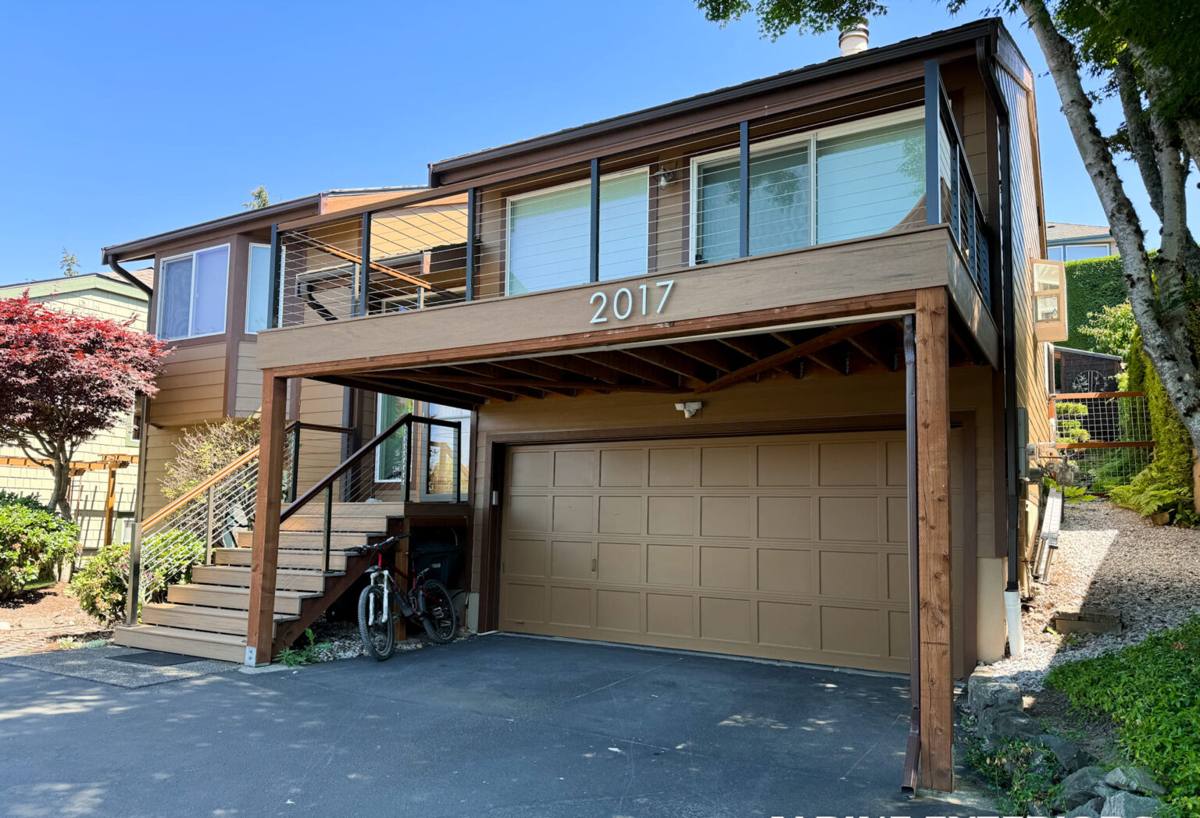
What Cedar Siding Actually Requires
Cedar is a natural, breathable material, which means it moves with moisture and temperature the way real wood does. To keep it performing, manufacturers and reputable painters will tell you it needs an ongoing maintenance schedule — not a one-and-done coat of stain.
- Re-staining or re-sealing roughly every 3-5 years, sooner on south and west-facing walls that take the most sun and rain cycling
- Caulking inspection and touch-up annually, since cedar boards expand and contract seasonally and open up gaps at joints and trim
- Washing to remove mildew, algae, and moss growth before it gets a foothold in the grain
- Prompt repair of any board that starts to check, cup, or separate at the ends, before water gets behind it
None of that is unreasonable to ask of a wood product. The issue is what happens when that schedule slips — and in our experience, it almost always slips. Homeowners get busy, a paint job gets pushed a year, then three, and cedar doesn't forgive that the way people expect.
The Real Cost Isn't the Stain — It's the Labor
Materials for re-staining a house aren't expensive. What adds up is the labor: scaffolding or ladder work, scraping and sanding failed finish, masking windows and landscaping, and the time to apply two coats correctly. Over a 25-year ownership period, most cedar homes in this region go through this cycle five to eight times. That's the real lifetime cost of cedar, and it's rarely factored in at the time of purchase.
Where Seattle's Climate Makes This Harder
Every siding material has to deal with weather, but Seattle and the greater Puget Sound area load the dice against wood siding in a few specific ways. Our winters bring long stretches of driving rain that hits siding sideways in a storm, not just straight down. Homes closer to the water pick up salt air off Puget Sound, which accelerates finish breakdown on any painted or stained surface. And our mild, damp winters create what local painters and roofers just call moss season — months where north-facing walls, anything shaded by trees, and areas with poor airflow stay wet long enough for moss and algae to actually take hold in the wood grain, not just sit on the surface.
Cedar is more forgiving of an occasional soaking than it is of chronic dampness. The problem in King County isn't one big storm — it's siding that never fully dries out between November and April. That's when finish fails early, end grain starts to wick water, and moss gets a grip that a simple pressure wash won't fully remove without also damaging the wood fibers.
Common Failure Points We See on Cedar Tear-Offs
When we're called out to look at a cedar-sided home that's having problems, the damage is rarely spread evenly across the house. It shows up in predictable places:
- Butt joints and board ends — end grain absorbs water far faster than the face of the board, so this is almost always the first place rot starts
- Lower courses near grade — splash-back from rain and sprinkler systems keeps the bottom few feet wetter than the rest of the wall
- North-facing and shaded elevations — slower drying time means longer moss and mildew exposure
- Behind gutters and downspouts with slow leaks — a small leak that would just stain fiber cement can rot cedar boards from behind, out of sight, for years
- Nail heads and fastener lines — as boards cup and move, fasteners can work loose or telegraph through the finish
Individually, none of these are dramatic. But they're the reason "just needs a coat of paint" turns into board replacement more often than homeowners expect once we actually pull siding and look at what's underneath.
Cedar vs. What We Install
We think the fairest way to explain our position is to lay the honest trade-offs next to each other rather than just saying one product is better.
| Factor | Cedar Siding | James Hardie Fiber Cement |
|---|---|---|
| Refinishing cycle | Every 3-5 years | ColorPlus factory finish rated 15 years before repaint is typically needed |
| Moisture behavior | Absorbs water, can rot, cup, or check if finish fails | Engineered to resist moisture damage and does not rot |
| Fire resistance | Combustible | Non-combustible material |
| Moss/algae resistance | Grain traps moisture, feeds growth | Dense surface sheds moisture, easier to keep clean |
| Insect vulnerability | Susceptible to carpenter ants and other wood-boring insects | Not a food or nesting source for insects |
| Warranty | Varies by installer; finish failure is common exclusion | Manufacturer-backed, transferable warranty on the product itself |
What a Neglected Finish Cycle Actually Costs
We're not going to invent numbers here, because every house is different — square footage, number of stories, trim detail, and access all change the price. What we can say plainly is this: a homeowner who keeps up with cedar's maintenance schedule religiously will spend real money and real time on it every few years, indefinitely, for as long as they own the house. A homeowner who falls behind — which is most people, because life happens — ends up trading a maintenance bill for a repair bill, and repair work on rotted or moss-damaged boards costs more than staining ever would have.
That's not a knock on cedar as a material. It's an honest description of what wood siding asks of an owner in a climate like ours, where the dry season is short and the wet season is long.
A Simple Checklist If You Already Have Cedar
If you have existing cedar siding and aren't ready to replace it yet, here's what actually protects it:
- Walk the house twice a year and look specifically at board ends, corners, and anywhere moss has started to grow
- Keep gutters clean and downspouts directed away from siding — most hidden rot starts with a slow, chronic leak
- Trim back landscaping so walls get airflow and sunlight to dry out between storms
- Don't wait for finish to look "bad" — recoat when it starts to dull, not after it's already cracking and letting water in
- Have any soft, spongy, or dark-stained boards checked promptly rather than just painted over
Why We Standardized on James Hardie
We used to install a range of siding materials, cedar included. Over time, watching what actually happens to houses in Seattle and around King County ten and twenty years after installation changed our approach. We got tired of homeowners calling us back for rot repair on siding that looked fine from the curb, and tired of watching good finish work get undone by a wet Northwest winter that nobody could have fully prevented.
James Hardie fiber cement isn't the flashiest choice, but it holds up the way our climate demands. It's non-combustible, it's engineered specifically for wet climate conditions through Hardie's HZ10 product line, it carries a factory-applied ColorPlus finish that's warranted separately from the substrate, and it comes with a strong transferable warranty that follows the house if you sell it. When it's installed to Hardie's spec — correct flashing, proper clearances, correct fastening — it's about as close to "install it and stop worrying about it" as siding gets in this region.
We don't say this to talk cedar down. It's a legitimate material with a real look that some homeowners will always prefer, and if you go into it with your eyes open about the maintenance commitment, that's a reasonable choice. We just don't install it anymore, because we'd rather stand behind a product that matches the demands of Seattle's rain, moss, and salt air with less ongoing burden on the homeowner.
If you're weighing cedar against a lower-maintenance option for an upcoming project, we're happy to walk your specific house with you and talk through what we're seeing — no pressure, no sales script, just a straight answer. Reach out for a free estimate and we'll give you our honest read.