 Seattle Exterior
 Exterior Work Built for Shoreline's Climate
Shoreline sits right at the edge of Puget Sound, which means homes here deal with a specific combination of stresses that inland King County neighborhoods don't face as intensely. Salt-tinged marine air moves in off the water, driving rain comes in sideways during fall and winter storms, and the tree cover that makes Shoreline neighborhoods so pleasant also means shade, moisture retention, and a moss season that can run eight months out of the year. Any exterior material installed here has to handle all of that at once, year after year, without babysitting from the homeowner.
We work on siding, roofing, windows, and decks throughout Shoreline, and we approach every project the same way: figure out what the local climate is actually doing to the house, then install materials and details that hold up to it. That's a different mindset than just matching whatever was there before.
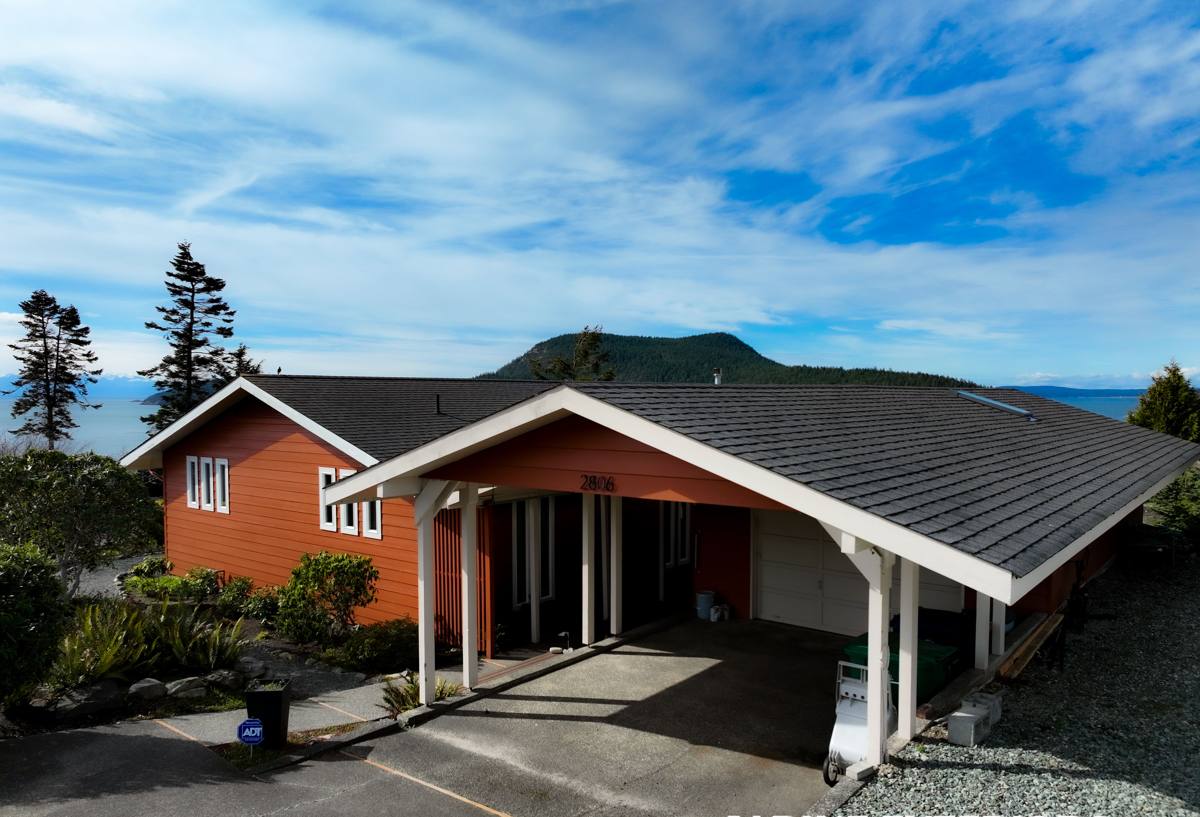
What Shoreline Homes Are Up Against
Salt Air and Moisture
Homes closer to the water take on a slow, steady dose of salt-laden moisture. It doesn't destroy materials overnight, but it accelerates corrosion on fasteners and hardware, and it keeps painted and caulked surfaces perpetually damp longer than a drier climate would. Over years, that moisture cycle is what breaks down poorly-protected siding, trim, and roofing components faster than the manufacturer's marketing brochure would suggest.
Driving Rain
Puget Sound storms don't just fall straight down — wind-driven rain gets pushed sideways into wall assemblies, especially on west- and southwest-facing exposures that catch the prevailing weather. That means flashing details, water-resistive barriers, and siding laps matter more here than they would in a calmer climate. A product or installation that's "good enough" somewhere drier can fail here specifically because of how the water is arriving.
Moss, Shade, and Tree Canopy
Shoreline's mature tree canopy is one of the things people love about the area, but it also means many roofs and north-facing wall sections stay shaded and damp for long stretches. Moss and algae take hold on roofing and siding that doesn't dry out efficiently, and left unchecked, that growth holds moisture against the surface and accelerates wear — particularly on wood-based products.
Siding: Why We Only Install James Hardie
We made a decision a long time ago to install James Hardie fiber cement siding exclusively — not vinyl, not LP SmartSide, not primed spruce or cedar, not other fiber cement brands like Cemplank or Allura. That's not a marketing position, it's a practical one, built around what actually holds up in a climate like this one.
Why We Don't Install the Alternatives
- Vinyl siding is affordable and low-maintenance in the sense that it doesn't need painting, but it's a thin plastic product that expands and contracts with temperature swings, can crack in cold snaps, and offers no real fire resistance. It also tends to look and perform like what it is over a couple of decades of Pacific Northwest weather.
- LP SmartSide is an engineered wood product with a resin-treated strand board core. It performs reasonably when installation is flawless, but it's still wood-based, meaning it's more vulnerable to moisture intrusion at cut edges, seams, and fastener penetrations than a cement-based product — and those are exactly the failure points that Shoreline's driving rain finds first.
- Primed spruce and raw cedar are traditional and attractive, but they're wood. They need regular repainting or refinishing, they're susceptible to rot and insect damage, and in a climate with this much sustained moisture and shade, the maintenance burden is significant if you want them to last.
- Other fiber cement brands like Cemplank or Allura are chemically similar to James Hardie, but we don't install them because we've standardized our crews, flashing details, and warranty process around one manufacturer's engineered product line — and because James Hardie's factory-applied ColorPlus finish and climate-specific HZ formulations are, in our judgment, the strongest version of this category available.
Why James Hardie Fits Shoreline Specifically
James Hardie fiber cement is non-combustible, resists moisture-driven rot because it isn't wood, and comes in HZ5 formulations engineered for wetter, harsher climates — which the Pacific Northwest qualifies as. The ColorPlus factory finish is baked on under controlled conditions rather than field-painted, which means better adhesion and color consistency, and a longer stretch before the homeowner has to think about repainting. For a neighborhood dealing with salt air, driving rain, and heavy shade all at once, that combination matters more than it would somewhere drier and sunnier.
Roofing for Shade and Moss Pressure
Roofing in Shoreline has to deal with the moss and algae issue directly. We look at ventilation, underlayment quality, and flashing detail around every penetration and valley — those are the spots where a shaded, damp roof starts to fail first. Good ventilation helps roof decks dry out between rain events instead of staying perpetually damp, which slows moss colonization and extends the life of the roofing material itself. We're also honest with homeowners about the reality of moss maintenance: even a well-installed, well-ventilated roof in a shaded Shoreline lot will need periodic cleaning, and we'll tell you that upfront rather than promise a maintenance-free roof that doesn't exist in this climate.
Windows: Where Water Actually Gets In
Window failures in this climate are rarely about the glass — they're about flashing and installation. Wind-driven rain finds its way behind poorly flashed window openings, and once water gets into a wall cavity, it can cause damage well before it's visible from inside the house. When we replace windows, we pay close attention to head flashing, sill pans, and integration with the surrounding siding, because that's what actually keeps Shoreline's sideways rain out — more so than the window unit's brand or energy rating alone. We also talk with homeowners about energy performance, since well-sealed, properly flashed windows cut down on the drafts and condensation issues that are common in older Shoreline homes.
Decks Built for Wet Wood Conditions
Decks take a beating from the same moisture and shade that affects roofs. Standing water, shaded boards that never fully dry, and organic debris from surrounding trees all accelerate rot and slickness. We build and repair decks with attention to drainage, ledger flashing at the house connection, and material choices that hold up under sustained dampness rather than just looking good on install day. A deck that's engineered to shed water and dry out is a deck that lasts — one that traps moisture against the house is a slow-motion problem.
Cost Factors to Expect
Every Shoreline property is different — lot slope, tree cover, sun exposure, and the condition of the existing structure all move the number. The table below covers the general factors that tend to matter most for exterior projects in this specific area.
| Factor | Why It Matters Here |
|---|---|
| Tree canopy / shade level | Affects moss growth, drying time, and long-term maintenance needs on roofing and decks |
| Wind/rain exposure (west/southwest walls) | Drives flashing and water-resistive barrier requirements for siding and windows |
| Proximity to the Sound | Increases salt exposure, affecting fastener and hardware corrosion resistance needs |
| Existing substrate condition | Rot or moisture damage found during tear-off can add repair scope before new material goes on |
| Access and lot layout | Steeper lots or tight side yards can affect labor and staging |
Why a Local Crew Matters
A crew that works throughout King County and the greater Seattle area understands things a national contractor or a crew based somewhere drier simply won't prioritize: how to flash a wall for sideways rain, why a north-facing roof section needs different ventilation attention than a south-facing one, and how much moss maintenance is realistic to expect on a shaded Shoreline lot. That local knowledge shows up in the details — the flashing laps, the fastener choices, the ventilation planning — not in anything you'd notice on a sales visit.
What to Ask Before Hiring an Exterior Contractor
- Are they licensed and insured to work in Washington State, and can they provide proof?
- Do they specify flashing and water-resistive barrier details in writing, not just materials?
- Will the crew doing the work be their own employees or subcontracted out?
- What's the manufacturer's warranty, and is it transferable if you sell the home?
- Can they explain why they recommend a specific product for your specific exposure — shaded lot, water-facing wall, or otherwise?
Get a Free, No-Pressure Estimate
If you're weighing a siding, roofing, window, or deck project on a Shoreline property, we're happy to take a look and walk through what your specific home is facing — sun exposure, tree cover, wind direction, and the condition of what's there now. There's no obligation and no pressure, just a straightforward assessment from a crew that works in this climate every day. Use the form below to request your estimate.