 Seattle Exterior
 Exterior Work Built for West Seattle's Coastal Exposure
West Seattle sits on a peninsula, which means most homes here are never far from open water — Puget Sound on one side, Elliott Bay and the Duwamish waterway on the other. That geography is part of what makes the neighborhood so desirable, and it's also what makes exterior maintenance here different from a house fifteen miles inland. Salt-laden air moves off the water and settles onto siding, trim, fascia, and roofing year-round. Add King County's long wet season, and you've got a climate that's constantly testing whatever is on the outside of your house.
We work on siding, roofing, windows, and decks across West Seattle, and we approach every job with that coastal exposure in mind. A product or installation detail that holds up fine in a drier, more sheltered part of the region can fail early on a hill facing the water. We build and repair accordingly.
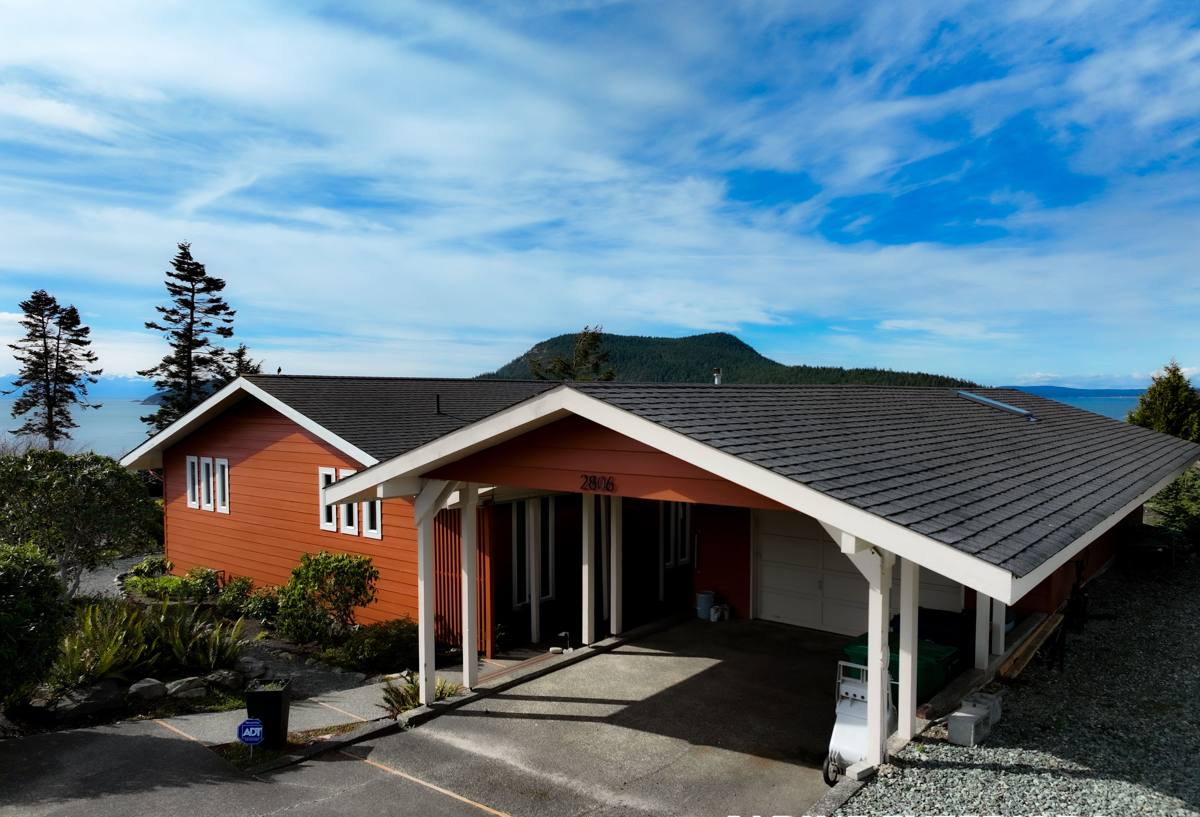
What West Seattle's Climate Actually Does to a House
Salt Air and Driving Rain
Airborne salt is corrosive to fasteners, flashing, and untreated metal, and it accelerates the breakdown of paint films and lower-grade siding materials. Combine that with wind-driven rain — which in this part of the peninsula often comes in sideways off the water rather than straight down — and you get moisture finding its way into joints, laps, and penetrations that would stay dry in a calmer microclimate. Driving rain is a lap-siding and flashing problem as much as a roofing problem: water pushed horizontally will find any gap in a butt joint or a poorly sealed window flange.
Moss and the Long Wet Season
Western Washington's mild, damp winters and the region's tree cover mean moss and algae have a long growing window — often close to eight or nine months out of the year on shaded, north-facing, or tree-covered roof slopes. Moss holds moisture against roofing material, lifts shingle edges, and works its way into siding laps and trim joints where organic debris collects. Left unaddressed, that trapped moisture is one of the more common causes of premature rot and roof deck damage we see on older West Seattle homes.
Housing Stock and Terrain
West Seattle has a real mix of older bungalows and mid-century homes alongside newer construction, often built on sloped lots with view orientations toward the water — which is exactly the orientation that catches the most wind and rain. Many older homes still carry original wood siding or trim that has been through decades of this cycle, and it shows up as soft trim boards, peeling paint, and moss-packed siding laps when we get a close look.
Siding: Why We Only Install James Hardie Fiber Cement
We install James Hardie fiber cement exclusively. We don't install vinyl, LP SmartSide, Cemplank, Allura, primed spruce, or cedar — not because those products can't be installed correctly by someone, but because we've made a standard for our own crews based on what performs best against a coastal, high-moisture climate like this one, and we'd rather hold one line well than offer several we're less confident in.
The Trade-Offs of the Alternatives
- Vinyl siding is affordable and low-maintenance in mild climates, but it can become brittle and crack in cold snaps, expands and contracts more with temperature swings, and gives you fewer options for a tight, monolithic look on a house exposed to driving rain.
- Wood species like cedar or primed spruce look great when new and can be a good fit for the right owner, but they require ongoing painting or staining, and in a climate with this much sustained moisture and moss pressure, that maintenance cycle is real and recurring — skip a few years and rot risk climbs fast.
- LP SmartSide is an engineered wood product with a factory treatment for moisture resistance, and it performs reasonably well when installed and maintained to spec, but as a wood-based product it still relies more heavily on caulking, paint film integrity, and cut-edge sealing than fiber cement does.
- Cemplank and Allura are both fiber cement competitors to Hardie, and the category itself is sound — but we've standardized on Hardie specifically for its ColorPlus factory finish, its regional-specific HZ formulations, and the depth of its installer network and warranty support in this market.
Why Hardie Fits This Climate
James Hardie fiber cement is non-combustible, dimensionally stable in wet-dry cycling, and available in an HZ5 formulation engineered for Pacific Northwest humidity and moisture exposure. The ColorPlus factory finish is baked on under controlled conditions, which gives it better fade and chip resistance than field-applied paint — a real advantage when your siding is facing salt air and sun reflection off open water. It also comes with a strong transferable warranty, which matters to homeowners who plan to sell in this market at some point.
Roofing for Moss-Prone, Water-Exposed Slopes
Roofing in West Seattle has to account for both wind exposure and moss growth. We look at ventilation, underlayment quality, flashing details at every penetration and valley, and edge details that resist wind-driven rain — not just the shingle or roofing product itself. A roof that's properly ventilated and flashed will shed moss more slowly and dry out faster after a storm than one where those details were rushed.
Common Issues We Find on Water-Facing Roofs
- Moss buildup at north-facing and shaded slopes, especially under tree cover
- Flashing that's corroded or was never properly integrated at valleys and chimneys
- Underlayment that's failed years before the shingles above it, letting water into the deck
- Gutter and edge details that can't keep up with wind-driven rain during storms
Windows: Sealing Out Wind-Driven Moisture
Window replacement in this neighborhood is as much about the installation as the unit itself. A quality window installed with poor flashing integration will leak long before the glass or frame fails. We pay close attention to how a new window ties into the surrounding wall assembly and siding, because on a house exposed to driving rain off the Sound, that transition is where problems start.
Decks: Built to Handle Rain and Salt Exposure
Outdoor living space is a big part of why people love West Seattle — many homes here are built or renovated specifically to take advantage of water views. That same exposure means deck framing, fasteners, and surface materials take a beating from rain and salt air. We focus on proper drainage, fastener selection that resists corrosion, and framing details that don't trap moisture against ledger boards or posts — the areas where we most often find hidden rot on older decks.
Cost Factors for Exterior Projects in This Area
| Project | What Drives Cost Locally |
|---|---|
| Siding replacement | Home size, number of stories, existing siding removal, moisture damage found underneath, trim and detail work |
| Roof replacement | Roof pitch and access, number of penetrations/valleys, decking condition once old roofing is off, moss/rot remediation |
| Window replacement | Number of openings, whether it's a full-frame or insert replacement, flashing and trim integration |
| Deck rebuild or repair | Square footage, height/railing requirements, ledger and framing condition, material choice |
Every property is different, and the only way to give you an accurate number is to walk the house and look at what's actually happening underneath the surface — especially on older homes where hidden moisture damage can change the scope.
Why a Local Crew Matters Here
A crew that works across King County regularly knows what a West Seattle roofline facing the water is going to deal with versus a similar-looking house a few miles inland with more tree cover and less wind. That local pattern recognition shapes real decisions — how we detail a valley, where we add extra flashing, which slopes need closer moss monitoring, and how we sequence a siding job around the wetter months. It's the difference between a generic installation and one that's actually built for this specific stretch of coastline.
What to Look for When Hiring an Exterior Contractor Here
- Ask whether they've worked specifically in West Seattle or similar water-exposed neighborhoods
- Ask how they handle flashing and moisture detailing, not just which brand of material they install
- Check that they carry proper licensing and insurance for work in Washington
- Ask what warranty coverage applies to both materials and labor, and whether it's transferable
- Get a clear, written scope of work before anything starts — vague estimates lead to disputes later
If you're weighing a siding, roofing, window, or deck project in West Seattle, we're happy to take a look and give you a straightforward, no-pressure estimate — no obligation, just an honest read on what your home needs.