 Seattle Exterior
 Two Products That Look Similar on a Spec Sheet
If you've gotten more than one bid for siding replacement in Seattle, there's a decent chance one contractor quoted James Hardie and another quoted Cemplank. Both are fiber cement — a blend of cement, sand, and cellulose fiber pressed into planks and panels. Both are marketed as low-maintenance, fire-resistant alternatives to wood and vinyl. On a spec sheet, they can look almost interchangeable: similar thicknesses, similar plank profiles, similar talking points about durability.
We get asked often enough why we quote only James Hardie that it's worth laying out the real reasoning in one place, rather than repeating it on every estimate call. This isn't a takedown of Cemplank. It's an explanation of the specific, practical reasons we stopped installing it and standardized our crews, warranty process, and material sourcing around a single product line.
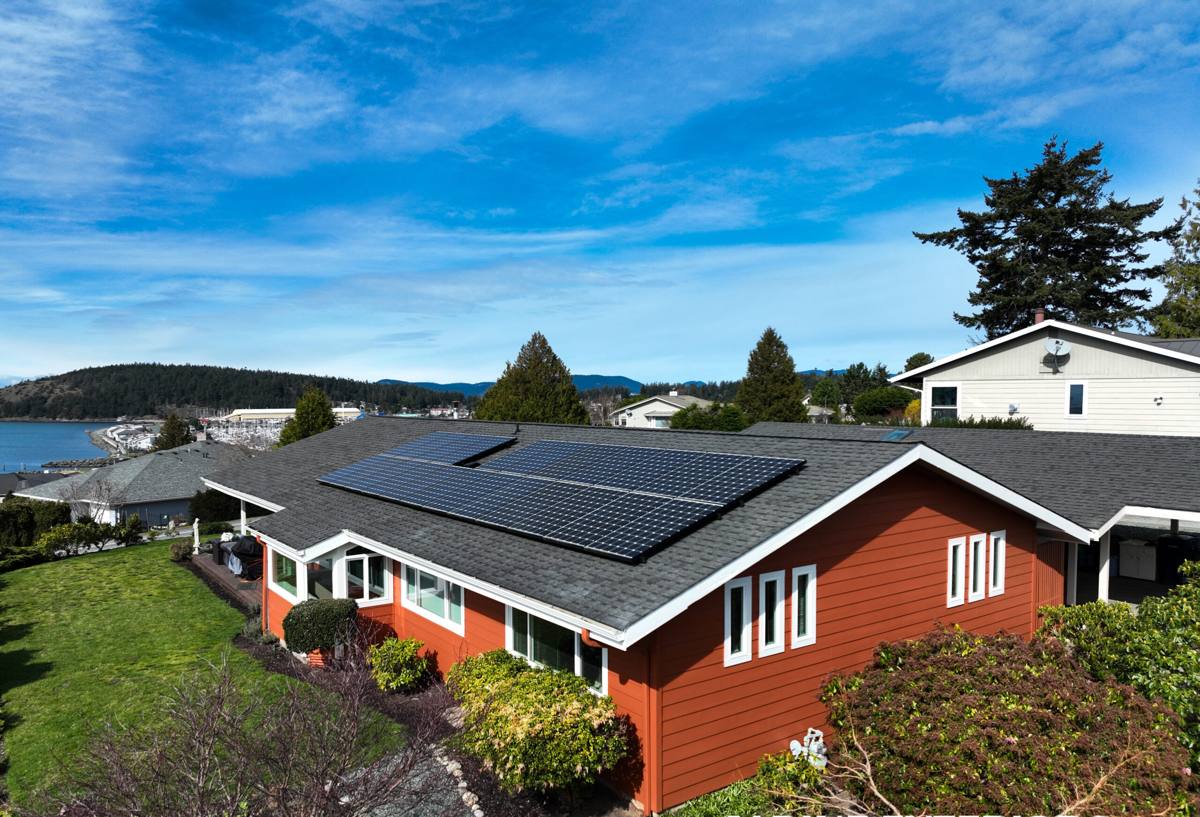
What Cemplank Gets Right
Fiber cement as a category earns its reputation. Compared to vinyl, it doesn't warp in the sun or crack in a hard freeze. Compared to untreated wood or primed spruce, it resists rot and doesn't feed insects. Cemplank, as a fiber cement product, shares that baseline. It's non-combustible, it holds paint or factory finish better than wood, and it's a legitimate step up from the vinyl and engineered wood siding that dominates budget-tier construction.
We're not arguing fiber cement is the wrong category for Seattle's climate — quite the opposite. Our objection isn't to the material class. It's to relying on a smaller, less consistently available product line for installations that need to perform for 30-plus years under King County's rain, moss, and salt-air exposure without a callback.
Where the Two Actually Diverge
Manufacturing Footprint and Consistency
James Hardie operates its own dedicated fiber cement plants across North America and has spent over three decades refining a single manufacturing process at scale. That matters more than it sounds like it should. Fiber cement is a manufactured composite — the exact fiber content, curing process, and cement formulation affect how a plank absorbs moisture, how it takes paint, and how consistent it is from batch to batch. A company that has run one process at scale for decades has ironed out more of the variability than a smaller or more recently consolidated operation.
Product Line Depth
Hardie sells distinct product lines engineered for different climate stresses — including HZ5 formulations built specifically for regions with heavy moisture cycling and freeze-thaw exposure. That's directly relevant here: Seattle and greater King County don't get brutal winters, but we get near-constant damp, a long moss season, and driving rain that hits siding sideways off Puget Sound. A siding product engineered for a single generic climate zone doesn't give us the same margin as one with a formulation aimed at exactly this kind of weather.
Warranty Structure — Where It Actually Matters
Every fiber cement brand advertises a warranty. The difference is in what the warranty actually covers, how transferable it is, and how it interacts with the installer's own labor warranty. This is the part homeowners skip past on a spec sheet and then discover the hard way when a plank fails eight years in.
| Factor | What to Check | Why It Matters |
|---|---|---|
| Length of coverage | Material vs. finish coverage terms | Some warranties cover the plank substrate far longer than the factory finish, or vice versa |
| Transferability | One-time transfer to a new owner, and any deadline to register it | Affects resale value if you sell within the warranty window |
| Installer certification | Whether the warranty requires installation by a certified or preferred contractor | An uncertified install can quietly void material coverage |
| Regional backing | Whether the manufacturer has an established claims process in your region | A thin regional presence can mean a slow, difficult claims process |
James Hardie's warranty programs are built around installation by contractors who go through their certification process, and the company has a long-standing, well-documented claims process. That combination — consistent product plus a mature warranty backing it — is a big part of why we standardized on it. We'd rather stand behind one system we know cold than juggle warranty terms across two brands.
Factory Finish vs. Field Variability
One of the most common failure points on any fiber cement job isn't the plank itself — it's the paint. Fiber cement that's field-primed and field-painted is only as good as the crew, the weather window, and the specific coating used that day. Hardie's ColorPlus finish is baked on at the factory under controlled conditions, with a documented finish warranty that's separate from — and typically longer than — what you'd get on site-applied paint.
Cemplank does offer factory-finished options in some product lines, but availability and color selection have historically been narrower, and depending on the supplier at the time of your project, you may end up defaulting to field-applied paint. In a climate where siding sits wet more often than it sits dry, the quality and consistency of the finish coat is not a minor detail — it's often the difference between a 15-year repaint cycle and a 30-year one.
Installation Sensitivity in a Wet Climate
Fiber cement, generally, is less forgiving to install than vinyl. Gaps, improper fastening, wrong caulk, or skipped flashing details show up as moisture problems years later, not immediately. This is true across brands — but it's a bigger risk when a crew is switching between multiple manufacturers' spec sheets and installation guides, each with slightly different fastening patterns, clearance requirements, and touch-up procedures.
We standardized our crews on one installation system so every job runs the same flashing details, the same fastener spacing, the same clearance-to-grade rules, every time. That consistency is worth more in Seattle than almost anywhere else in the country. Between the moss that colonizes anything damp for more than a few days, the driving rain off the Sound, and the salt air that reaches homes closer to the water, small installation errors compound faster here than they would in a dry climate.
What Poor Fiber Cement Installation Looks Like Down the Road
- Moisture staining or soft spots at butt joints where caulk has failed
- Paint peeling at the bottom edge of planks near grade
- Moss and algae taking hold faster in areas with poor drainage clearance
- Nail pops or fastener corrosion where the wrong fastener type was used
- Visible color mismatch at repair or touch-up areas from inconsistent field paint
None of these are unique to any one brand — they're installation failures. But they're also exactly why we'd rather deepen our expertise on one product than split it across two.
Local Track Record and Resale Perception
James Hardie has a long, visible track record on homes throughout the Pacific Northwest, which matters both for appraisal and for buyer perception if you sell. Appraisers, inspectors, and real estate agents in King County have seen enough Hardie installations to recognize it on sight and factor it into comparables. A less common brand doesn't carry a black mark, but it also doesn't carry the same instant recognition — and in a competitive Seattle real estate market, that recognition can matter at the margins.
What This Means for Your Bid Comparison
If you're collecting quotes and see Cemplank on one and Hardie on another, don't just compare the per-square-foot price. Ask harder questions about what's actually backing the material.
- Is the finish factory-applied or field-painted, and what's the separate warranty on each?
- Is the contractor certified by the manufacturer, and does that affect your warranty coverage?
- Is the product line rated for a high-moisture climate, or is it a general-purpose formulation?
- How easily can you get matching replacement planks five or ten years from now if a section is damaged?
- What does the manufacturer's regional claims process actually look like if something goes wrong?
Why We Landed on Hardie
We didn't standardize on James Hardie because it's the only fiber cement on the market — we did it because after years of installing multiple brands, one system consistently gave us fewer callbacks, a more predictable finish, and a warranty structure we could explain to a homeowner without hedging. Non-combustible fiber cement, a factory finish that holds up under sustained Pacific Northwest rain, climate-specific HZ product lines, and a transferable warranty backed by a manufacturer with deep regional history — that combination is what we're willing to put our own labor warranty behind.
If you're weighing siding options for a home in Seattle or elsewhere in King County, we're happy to walk through what we install, why, and what it would look like on your specific house. Reach out for a free, no-pressure estimate — there's no obligation, and we'll give you a straight answer about what your project actually needs.