 Seattle Exterior
 What Ballard's Exterior Sits Between
Ballard occupies a stretch of Seattle where Puget Sound weather arrives with a little extra intensity. Homes here sit close enough to the water to pick up salt-laden air, and the neighborhood gets the full benefit of Seattle's long, wet fall-through-spring stretch. That combination — salt exposure plus sustained moisture — is a harder test on a home's exterior than what you'd see in a drier, more inland part of King County.
None of that means Ballard homes are doomed to constant repair. It means the exterior has to be chosen and installed with those specific conditions in mind, not treated as a generic Pacific Northwest project. A siding, roofing, or window choice that performs fine in a sheltered suburb further from the Sound can underperform here simply because the air and rain exposure are different.
Salt Air: The Overlooked Factor
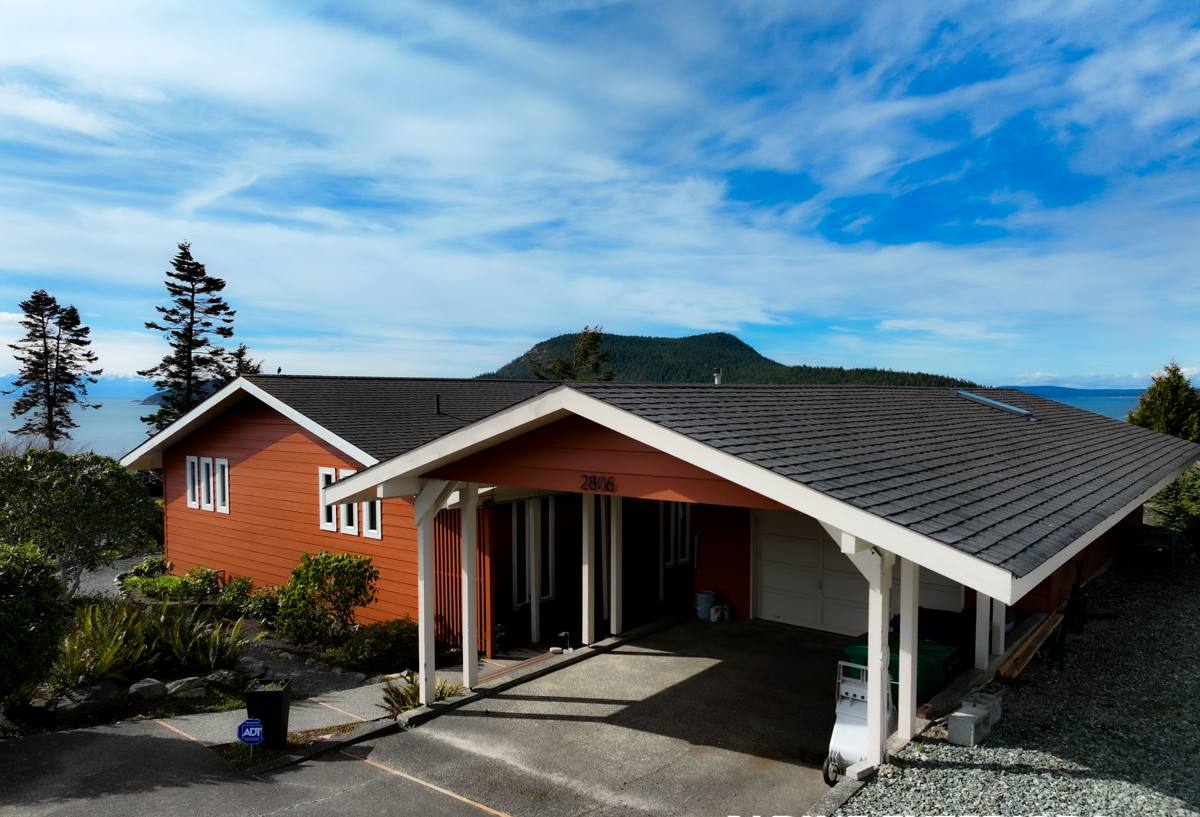
Salt air doesn't just affect homes right on the waterfront. Airborne salt can travel with wind and settle on siding, trim, fasteners, and metal roofing components well inland from the water's edge. Over years, that exposure accelerates corrosion on unprotected metal and can degrade certain paints and coatings faster than in a landlocked neighborhood.
This is one of the reasons material and fastener choice matters more in Ballard than a homeowner might assume. Galvanized or coated fasteners, corrosion-resistant flashing, and a siding finish that's engineered to hold color and integrity in coastal-adjacent air all pay off here in ways that are hard to appreciate until you've seen what a decade of salt exposure does to the wrong materials.
Driving Rain and Moss Season
Seattle's rain isn't usually the dramatic kind — it's the long, low-intensity, wind-driven kind that finds every gap in a building envelope over time. Combined with wind off the Sound, Ballard homes regularly deal with rain that doesn't just fall straight down but gets pushed sideways into siding seams, window frames, and roof penetrations.
Then there's moss. King County's mild, wet winters create ideal conditions for moss and algae growth on north-facing siding, roofs, and shaded decks. Moss isn't just cosmetic — it holds moisture against the surface it's growing on, which is exactly the wrong thing for wood trim, roofing underlayment, and deck boards. A roof or deck that's shaded by mature trees, which many Ballard lots have, will need more attention to moss control than one in full sun.
What This Combination Does Over Time
- Wood trim and cladding that isn't properly sealed or maintained can absorb moisture and begin to soften or rot, especially at joints and end grain
- Caulking and sealant around windows and doors breaks down faster under repeated wet-dry cycling
- Moss on roofing can lift shingles and hold water against the roof deck
- Untreated fasteners and flashing corrode faster in salt-influenced air
- Deck boards in shaded, damp spots stay wet longer, accelerating decay and making surfaces slick
Siding for Ballard Homes
Siding is the first line of defense against everything described above, which is why we install James Hardie fiber cement siding exclusively — it's the one product line we've found consistently holds up to this specific mix of salt air, sustained rain, and moss exposure without the maintenance headaches that come with wood, vinyl, or other fiber cement alternatives.
Fiber cement is non-combustible and dimensionally stable, meaning it doesn't swell, warp, or crack the way wood siding can when it cycles between wet and dry. Hardie's ColorPlus factory-applied finish is baked on under controlled conditions, which gives it better fade and moisture resistance than field-applied paint — an advantage that matters more in an environment where paint is under near-constant assault from moisture and, closer to the water, salt.
Hardie also engineers regional HZ product lines specifically for climate zones like ours, accounting for moisture exposure in the manufacturing specs rather than treating every region the same. For a neighborhood like Ballard, that regional engineering is not a marketing detail — it's the difference between siding that's built for this climate and siding that merely tolerates it.
Why We Don't Install Everything on the Market
We get asked about vinyl, LP SmartSide, cedar, and other fiber cement brands regularly, and we're upfront about why we don't install them. Vinyl can warp and fade under UV and thermal cycling, and its seams are a weak point for wind-driven rain. Engineered wood products like LP SmartSide use wood strand cores that, however well treated, remain more moisture-sensitive at cut edges and fastener penetrations than true fiber cement. Cedar and other natural wood siding look great initially but demand a maintenance schedule — re-staining, re-sealing, moss treatment — that most homeowners underestimate, especially on a shaded Ballard lot. We'd rather stand behind one product we trust completely than install several we'd have reservations about.
| Factor | James Hardie Fiber Cement | Vinyl | Cedar / Wood |
|---|---|---|---|
| Moisture resistance | Engineered for wet climates; won't rot or swell | Doesn't absorb water, but seams can leak | Absorbs moisture; prone to rot without upkeep |
| Salt air durability | Factory finish holds up well | Can chalk and fade faster near salt exposure | Finish breaks down faster; more frequent refinishing |
| Moss/algae resistance | Smooth, stable surface resists buildup | Can trap moisture at seams and panel laps | Textured grain holds moisture, favors moss growth |
| Fire resistance | Non-combustible | Combustible | Combustible |
| Ongoing maintenance | Occasional wash; no repainting for years | Low, but replacement panels can be hard to color-match | Regular sealing, staining, moss treatment |
Roofing in a Wet, Shaded Neighborhood
Roofs in Ballard face the same driving-rain and moss pressures as siding, with the added factor that a roof's north- and shade-facing slopes often stay damp far longer after a storm than a wall does. Proper underlayment, well-sealed penetrations around vents and chimneys, and correctly lapped flashing at every valley and transition matter more here than in a drier climate, because any small gap has more opportunities to be tested by wind-driven water over the course of a wet season.
Ventilation is another piece that's easy to overlook. A roof deck that can't breathe traps moisture underneath the roofing material, which speeds up deterioration from the inside even if the surface looks fine. We pay attention to intake and exhaust ventilation on every roof we work on, not just the shingles or panels themselves.
Windows That Actually Seal
Wind-driven rain finds weak window seals faster than it finds almost anything else on a house. In Ballard, that means flashing details around window openings and quality sealant work aren't optional extras — they're the difference between a window that stays dry for decades and one that starts letting moisture into the wall cavity within a few years. We install and flash windows with that reality in mind, and we look for signs of past water intrusion — staining, soft trim, bubbled paint — whenever we're already working on a home's siding or roofing.
Decks Built for Shade and Damp
Many Ballard lots have mature trees, which means many decks sit in partial shade for a good part of the day. That shade keeps decks cooler in summer but also keeps them wetter longer after rain, which is exactly the environment moss and slow wood decay prefer. Proper board spacing for drainage, ledger flashing to keep water from wicking into the house structure, and material choices suited to a shaded, damp footprint all matter more for a Ballard deck than for one baking in full sun elsewhere in the region.
Why a Local Crew Matters Here
A crew that works across King County regularly, rather than one flying in from out of the area, has actually seen how salt air, moss, and driving rain play out on real homes over multiple seasons — not just in a manufacturer's spec sheet. That translates into practical decisions: where extra flashing attention pays off, which slopes and shaded elevations need closer inspection, and how fastener and finish choices hold up several winters in.
It also means being reachable for follow-up. If a question comes up about a warranty, a maintenance question, or something noticed after a storm, you're dealing with a crew that's a short drive away and familiar with your specific street's exposure, not a call center.
What to Expect When You Call Us
- A straightforward inspection of your siding, roof, windows, and/or deck — no pressure, no scare tactics
- An honest assessment of what's actually wearing out versus what still has useful life left
- A clear explanation of material options and why we recommend what we recommend
- A written estimate with scope, materials, and timeline spelled out
- A crew that shows up when scheduled and cleans up when the job's done
Simple Maintenance That Extends Exterior Life
Whatever your current siding, roof, or deck material, a few habits go a long way in Ballard's climate:
- Clean gutters at least twice a year — clogged gutters push water toward siding and fascia
- Check shaded, north-facing surfaces for moss buildup each fall and treat it before it spreads
- Look at caulking around windows and doors annually; recaulk anything cracked or pulling away
- Rinse siding periodically to remove salt residue and organic buildup, especially closer to the water
- Keep tree branches trimmed back from roof and deck surfaces to reduce shade and debris buildup
- Walk the deck each spring checking for soft boards, especially near ledgers and in shaded corners
If your Ballard home's siding, roof, windows, or deck are showing signs of wear — or you just want an honest read on how much life is left in what you have — we're happy to take a look. Reach out for a free, no-pressure estimate, and we'll walk the property with you and tell you what we'd actually recommend.