 Seattle Exterior
 What LP SmartSide Actually Is
LP SmartSide is an engineered wood siding product. The core is strand-based wood — similar in concept to OSB sheathing — that's saturated with a zinc-borate resin treatment, pressed, and coated with a wax-based overlay before it leaves the factory. It comes primed and ready for paint, in lap boards, panels, and trim. It's a real, code-approved product that a lot of contractors use, and it isn't junk. It cuts faster than fiber cement, it's lighter to carry up a ladder, and the material cost per square is usually lower than James Hardie.
We get asked about it often enough — usually by homeowners comparing bids — that it's worth laying out exactly why we don't install it, in plain terms, without exaggerating what goes wrong with it.
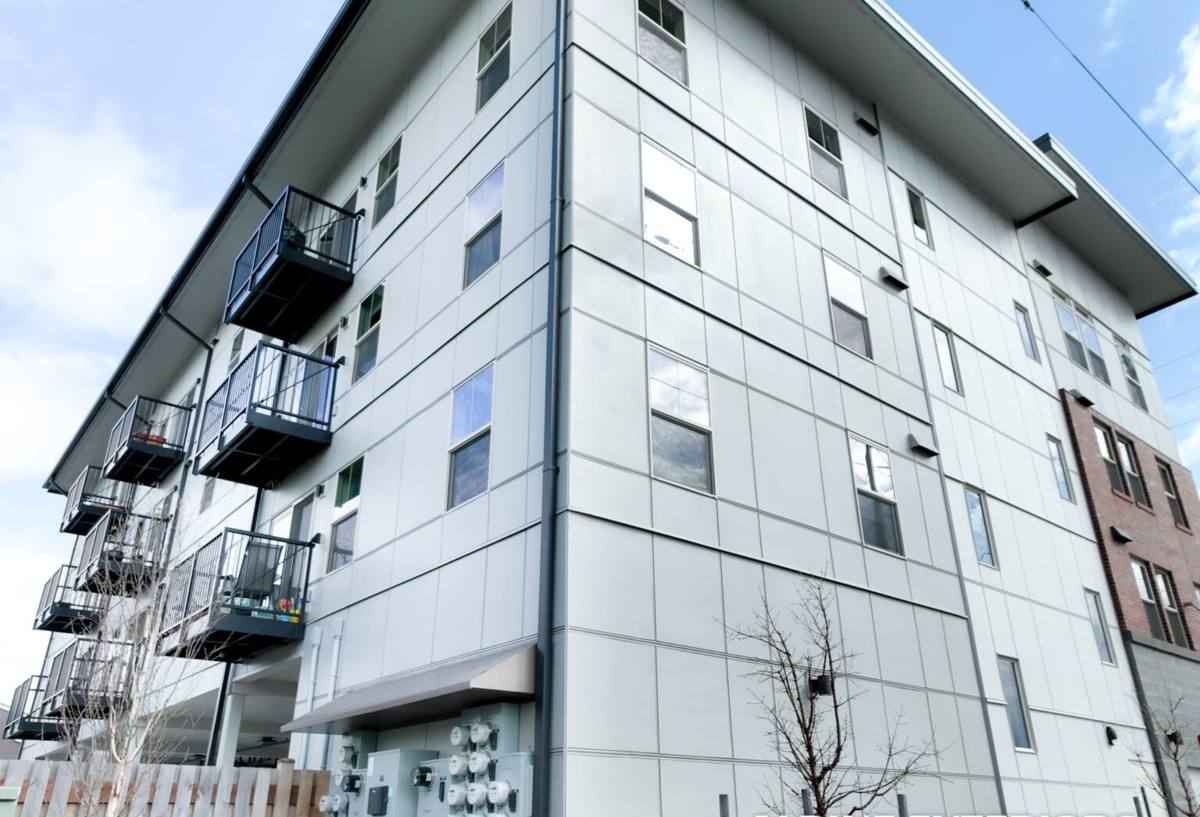
The Core Trade-Off: It's Still Wood
Fiber cement is cement, sand, and cellulose fiber — it doesn't rot, and it doesn't feed mold or insects. LP SmartSide is wood strand at its core. The zinc-borate treatment and the factory overlay are what protect that wood from moisture and insects, and LP backs the product with a real warranty when it's installed correctly. But the protection is a skin, not a change in what the material fundamentally is. Where that skin gets compromised — a bad cut edge, a fastener that splits the surface, a butt joint that opens up, a scratch that goes untouched — the wood underneath is exposed, and wood that gets wet and stays wet is going to swell, delaminate at the edges, or eventually rot.
That's not a defect claim about the product. It's a statement about what kind of maintenance and installation discipline the material requires to perform the way it's designed to. Every cut end, every joint, every fastener penetration has to be sealed and kept sealed for the life of the siding.
Why This Matters More Here Than in Drier Climates
King County doesn't get hurricanes, but it gets something engineered wood products handle worse over time: long stretches of low-intensity, driving rain pushed in sideways off Puget Sound, followed by months of damp, moderate temperatures that never really dry the wall assembly out. Add the salt air near the water in neighborhoods like West Seattle, Alki, and along the Sound, and you've got conditions that test any seam, caulk joint, or cut edge much harder than a dry inland climate would. Seattle's long moss season — encouraged by the tree cover and the extended wet months — adds another layer: moss and algae hold moisture against the siding surface for weeks at a time, right where seams and butt joints are most vulnerable.
None of that means LP SmartSide fails here. It means the margin for installation error and deferred maintenance is thinner here than it is in Arizona or eastern Washington, and we'd rather not build homes with a product where a missed caulk line five years from now becomes a moisture problem in the wall.
Where LP SmartSide Genuinely Does Well
To be fair to the product:
- It's impact resistant — the strand construction holds up well against hail and incidental impacts.
- It's easier and faster to install than fiber cement, which can lower labor cost on a job.
- It takes paint well and is available pre-primed.
- It's lighter, which matters on some retrofit and multi-story applications.
- It's a legitimate, code-compliant product used successfully across the country, including in wet climates, when installed and maintained to spec.
We're not telling homeowners it's a bad product. We're telling them it's not the product we're willing to put our name behind and warranty as our own installation, given what our climate demands over a 30-40 year ownership horizon.
Maintenance Burden: The Part That Gets Skipped
The biggest gap between how engineered wood siding performs on paper and how it performs on an actual house is maintenance. LP SmartSide's warranty coverage generally depends on the homeowner keeping up with painting, caulking, and inspection on a schedule — not a one-time install-and-forget product. That's a real commitment:
| Maintenance Task | LP SmartSide | James Hardie (ColorPlus) |
|---|---|---|
| Repainting | Every 7-10 years typically, sooner on south/west exposures | Not required — factory finish is baked on, warranted separately |
| Caulk joint inspection | Annual, especially at butt joints and trim | Standard joint maintenance, lower risk if breached (non-combustible substrate) |
| Cut-edge sealing | Required at every field cut, per manufacturer instructions | Recommended but substrate doesn't degrade from moisture the same way |
| Moss/algae cleaning | Important — trapped moisture affects the substrate | Cosmetic concern only — doesn't threaten the material |
In a climate with our moss season and rain pattern, that maintenance schedule isn't optional busywork — skipping it is exactly how a wood-based product ends up with problems at year 12 instead of year 30.
Installation Sensitivity
Engineered wood siding is less forgiving of installation shortcuts than most homeowners assume. Manufacturer instructions typically call for specific fastener placement, minimum clearances from grade and hard surfaces, sealed cuts, and proper flashing at every penetration and joint. Skip any of that, and you're not voiding a warranty in the abstract — you're creating a real path for water to reach untreated wood. We install a lot of homes in King County, and we've seen enough installation quality vary from crew to crew that we'd rather standardize on a product where an installation slip is far less consequential.
Why We Standardized on James Hardie Instead
James Hardie fiber cement is cement, sand, and cellulose fiber, cured into a rigid, dimensionally stable board. It doesn't have a wood core, so it isn't feeding rot, insects, or fungal growth even where a cut edge or joint isn't perfectly sealed. A few specific reasons it fits our climate better:
- Non-combustible. It's a Class A fire-rated material — a growing consideration in Washington given regional wildfire smoke seasons and insurance underwriting trends.
- ColorPlus factory finish. The color is baked on at the factory under controlled conditions, not brushed on-site. It carries its own finish warranty and eliminates the repaint cycle that engineered wood requires.
- Climate-engineered HZ product lines. Hardie makes region-specific formulations (HZ5 for our zone) engineered for freeze-thaw and moisture exposure patterns like ours, rather than one general-purpose product.
- Strong transferable warranty. Hardie's warranty structure is straightforward and transfers to a new owner if the home sells — a real factor for resale in this market.
- Proven longevity when installed to spec. Fiber cement has a long track record in wet coastal and marine-influenced climates specifically, including the Pacific Northwest.
It costs more upfront than LP SmartSide, both in material and labor — it's heavier, and it takes longer to cut and hang correctly. We think that cost is a fair trade for a siding system that doesn't depend on a homeowner keeping a perfect maintenance schedule to avoid moisture problems in a climate that doesn't give a wall assembly much of a chance to dry out.
How to Think About This If You're Comparing Bids
If you're weighing an LP SmartSide bid against a fiber cement bid, ask the contractor these questions regardless of which product they're proposing:
- Who is doing the actual cutting and sealing on my house, and what's their experience with this specific product?
- What does the manufacturer warranty actually require me to do to keep it valid?
- What's the realistic maintenance schedule for the next 10, 20, and 30 years — not just the install cost?
- Is the product rated or field-tested for a wet, marine-influenced climate like ours, or is that a generic warranty from a national manufacturer?
- What happens at the trim, corners, and butt joints — the places where most siding problems actually start?
A lower bid on engineered wood siding isn't automatically a bad decision — for some homeowners and some homes, it's a reasonable choice. We just don't offer it, because we'd rather install one product well and stand behind it fully than offer several products and hedge on which one we'll warranty with confidence.
Get an Honest Look at Your Home
If you're planning a siding replacement anywhere in Seattle or King County, we're glad to walk your home, talk through what we see in terms of moisture exposure and existing damage, and give you a straight answer on what we'd recommend — with no pressure to book anything. Reach out for a free estimate and we'll tell you what we'd actually do if it were our own house.