 Seattle Exterior
 Exterior Contracting in Fremont
Fremont sits close to the water, in the shadow of big trees, and squarely inside one of the wettest, greyest stretches of the Pacific Northwest calendar. Homes here run the gamut from older craftsman bungalows and modest mid-century houses to newer infill construction squeezed onto narrow lots. What they share is exposure to the same relentless moisture cycle: long stretches of low-intensity rain, damp air off the water, and shaded north- and west-facing walls that rarely get a chance to fully dry out between storms. That combination is hard on exterior materials that weren't built for it, and it's the reason we approach every Fremont project with moisture management as the top priority, not an afterthought.
We work throughout Seattle and King County, and Fremont's particular mix of tree cover, water proximity, and older housing stock gives it its own maintenance profile. A siding, roofing, window, or deck job that works fine in a drier inland suburb can fail faster here if it's not detailed correctly for this climate.
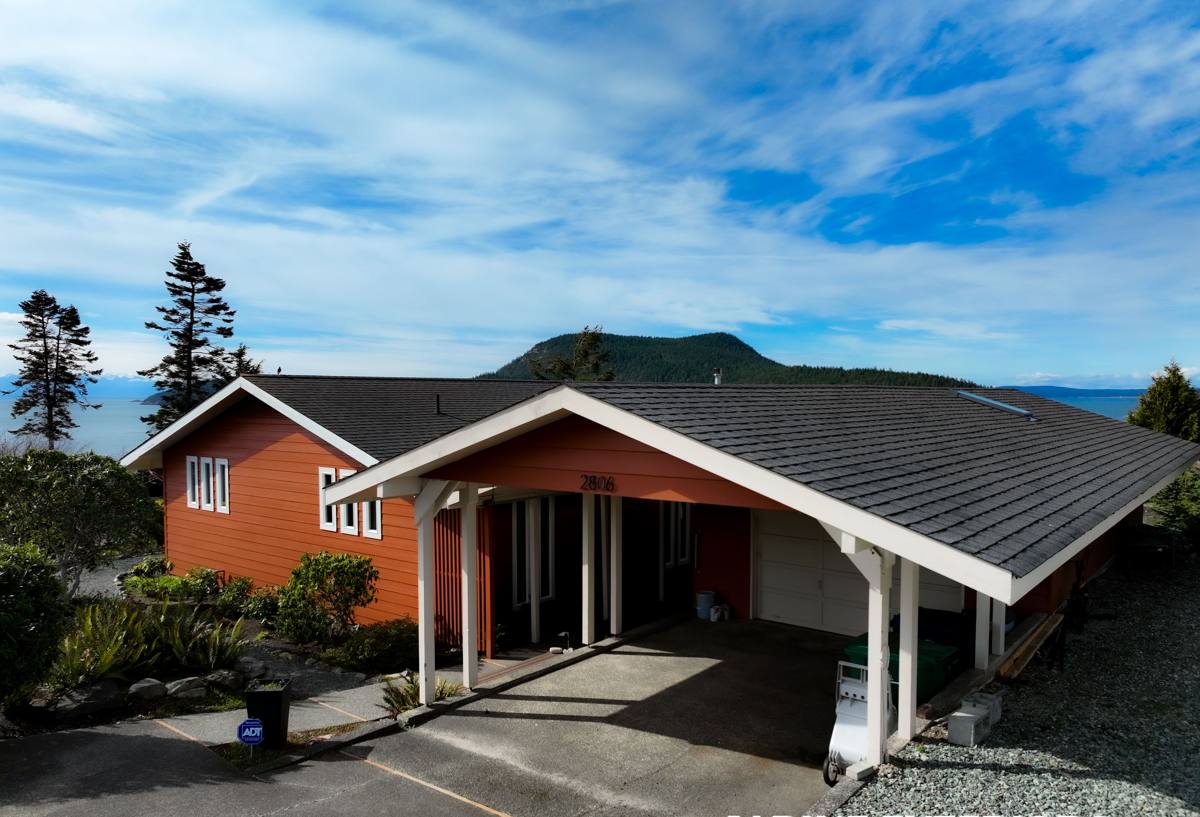
What the Climate Does to Fremont Homes
Driving Rain and Wind-Driven Moisture
Seattle's rain isn't usually a downpour — it's a slow, sideways soak that lasts for days. Wind off the Sound and the ship canal pushes moisture sideways into wall assemblies, siding laps, window flashing, and roof penetrations. Materials and installation details that only handle straight-down rain well tend to let water find its way behind the cladding over time, especially on exposed gable ends and upper stories.
Moss, Algae, and Shade
Fremont's tree canopy is part of the neighborhood's character, but shade plus moisture equals a long moss and algae season on roofs, north-facing siding, and anything that stays damp for extended periods. Untreated wood trim, cedar siding, and older composition roofing are especially prone to green and black staining, and moss left to grow on a roof can lift shingles and hold water against the deck.
Salt Air and Corrosion
Being close to Puget Sound and the ship canal means a low but steady dose of salt-laden air, which accelerates corrosion on fasteners, flashing, and metal roofing components that aren't rated for coastal-adjacent exposure. It's a slower process than at the immediate waterfront, but it adds up over a couple of decades, particularly on the windward side of a home.
Freeze-Thaw and Temperature Swings
Seattle winters aren't brutally cold, but Fremont does see enough freeze-thaw cycling each year to stress materials that absorb water. Anything that swells when wet and contracts when it dries — untreated wood, some composite products — works through a slow fatigue cycle that eventually shows up as cracking, cupping, or paint failure.
Siding: Why We Only Install James Hardie
We install James Hardie fiber cement siding exclusively. We don't install vinyl, LP SmartSide, Cemplank, Allura, primed spruce, or cedar, and that's a deliberate standard, not a lack of options. Here's the reasoning, product by product.
Vinyl
Vinyl is inexpensive and low-maintenance in a dry climate, but it's a poor match for the Northwest's constant damp. It traps moisture behind the panels more readily than fiber cement, it can warp or become brittle over time, and it doesn't hold up well against the kind of algae and mildew growth that shaded, damp walls encourage. It also just doesn't achieve the look of true wood-grain or smooth-finish siding that most Fremont homes, old and new, are going for.
LP SmartSide, Cemplank, and Allura
These are legitimate engineered products, and LP SmartSide in particular has improved a lot over the years. But they're wood-strand or fiber cement competitors that don't match James Hardie's specific climate engineering for the Pacific Northwest, and their warranty structures and factory finish systems aren't as strong as what Hardie backs its ColorPlus line with. When we're standing behind a job for years after installation, we want the manufacturer's engineering and warranty to be the best fit for this exact climate, not just an acceptable one.
Primed Spruce and Cedar
Real wood siding, whether primed spruce or cedar, has genuine appeal — it's a classic look, and cedar in particular has a following in this region. But wood is the material most vulnerable to everything Fremont's climate throws at it: rot from constant moisture, moss and algae growth in the shade, repainting and recaulking every few years, and the risk of insect damage. It's also combustible, which matters more every wildfire season. Maintaining wood siding to a standard that actually protects the wall behind it is a real, recurring cost that most homeowners underestimate when they choose it.
Why James Hardie
James Hardie fiber cement is non-combustible, dimensionally stable, and manufactured in HZ product lines engineered for specific climate zones — the HZ5 line is built for exactly the wet, temperate conditions Seattle and King County see. The factory-applied ColorPlus finish resists fading and holds up to moisture far longer than field-applied paint, and it comes with a strong transferable warranty that matters if you sell the house down the road. It's not the cheapest option on the shelf, but it's the one we're willing to install and stand behind on every home we touch.
Siding Material Comparison
| Material | Moisture Resistance | Maintenance | Combustibility | Typical Lifespan |
|---|---|---|---|---|
| James Hardie fiber cement | Excellent | Low | Non-combustible | 30-50+ years |
| Vinyl | Fair — traps moisture behind panel | Low | Combustible | 20-30 years |
| LP SmartSide / engineered wood | Good if sealed and maintained | Moderate | Combustible | 20-30 years |
| Primed spruce / cedar | Poor to fair — needs constant upkeep | High | Combustible | 15-25 years with upkeep |
Roofing for Fremont's Moss and Rain Cycle
A Fremont roof needs to shed sideways-driven rain, survive years of shade-driven moss pressure, and keep its underlayment and flashing intact through freeze-thaw swings. We look closely at valleys, chimney and vent flashing, and any low-slope sections, since those are where slow leaks tend to start in this climate. Proper attic ventilation also matters more here than people expect — poor ventilation traps moisture under the roof deck and accelerates both rot and moss growth from underneath as well as on top.
We also talk with homeowners honestly about moss management: keeping trees trimmed back where practical, scheduling periodic moss removal, and choosing roofing materials and colors that don't hide early staining, so problems get caught before they become deck damage.
Windows: Sealing Out Driving Rain
Old, single-pane or poorly flashed windows are one of the most common sources of water intrusion we find in older Fremont homes. Wind-driven rain finds gaps at the sill and head flashing long before it shows up as a visible leak inside. When we replace windows, correct flashing and integration with the surrounding wall and siding assembly matters as much as the window unit itself — a great window installed with sloppy flashing will leak eventually, and a modest window installed correctly won't.
Decks Built for Wet Shade
Decks in Fremont's shadier lots deal with the same moss and slow-drying conditions as roofs and siding, plus standing water risk if drainage isn't planned correctly. Framing, ledger board flashing, and fastener selection all need to account for sustained dampness, and decking material choice should reflect how much sun (or lack of it) a given deck actually gets before committing to a low-maintenance composite versus a wood surface that will need regular sealing and moss treatment.
Why a Local Crew Matters
A contractor working across King County day in and day out knows which details actually matter here — where flashing tends to fail on a Fremont-style lot, how much moss pressure a shaded north wall will see, and which products are simply the wrong choice for this climate no matter how well they're marketed. That local pattern recognition is worth more than a generic install, and it's why we standardized on one siding system instead of offering a menu of products with very different long-term outcomes.
What to Check Before Hiring an Exterior Contractor in Fremont
- Washington state contractor license and proof of liability insurance
- Manufacturer certification for the specific siding or roofing system being installed
- A written scope that specifies flashing details, not just "replace siding" or "replace roof"
- Local references or completed work you can actually see in person
- A clear, transferable warranty in writing — both material and labor
- Straight answers about why they recommend one product over another for this climate
Getting Started
If you're weighing a siding, roofing, window, or deck project on a Fremont home, we're happy to take a look and talk through what your house is actually facing — moss, moisture, sun exposure, age of the existing materials — before recommending anything. Reach out for a free, no-pressure estimate using the form below.