 Seattle Exterior
 Exterior Work Built for Magnolia's Peninsula Climate
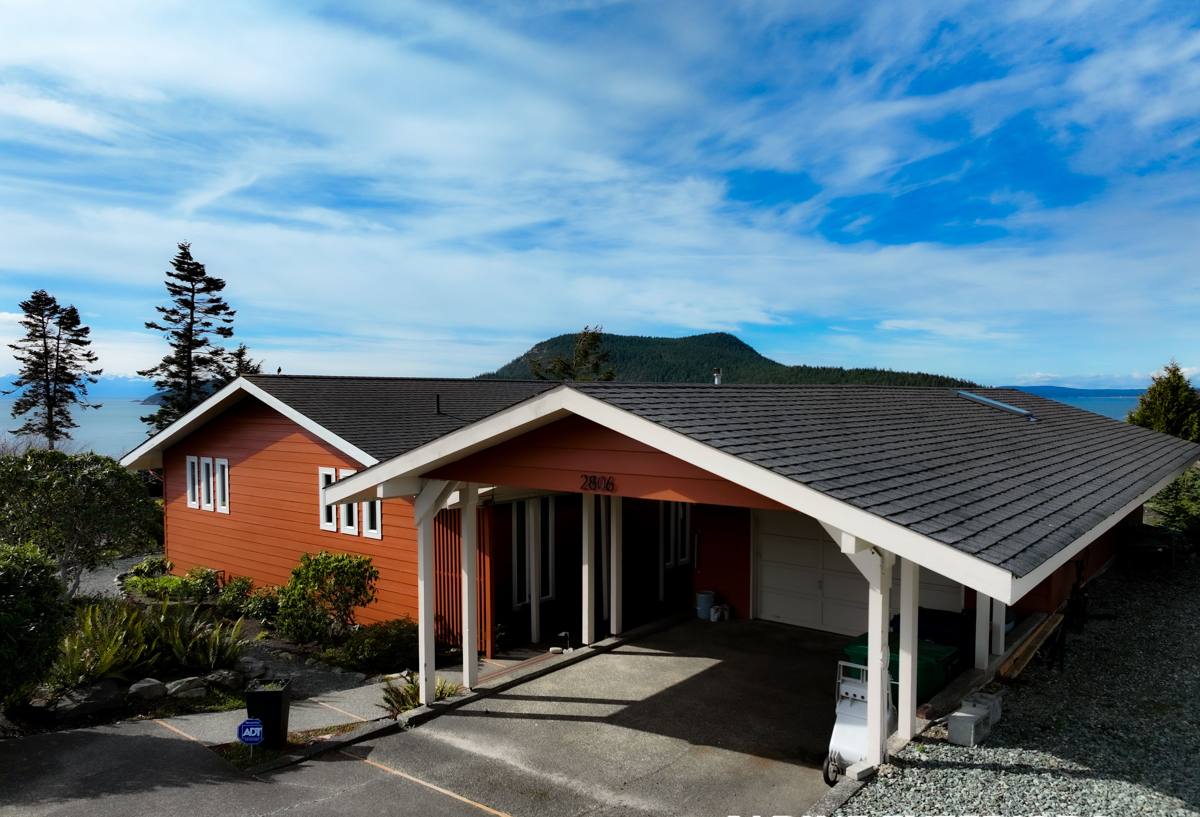
Magnolia sits on a bluff surrounded on three sides by water — Puget Sound, Elliott Bay, and the Ship Canal all press in close. That geography is part of what makes the neighborhood beautiful, and it's also what makes the exterior of a Magnolia home work harder than a house a few miles inland in Seattle. Salt-laden air off the Sound, wind that funnels up the bluff face, driving rain that hits siding at an angle instead of falling straight down, and a moss season that can stretch from October into May — all of it lands on the same roof, siding, windows, and deck boards, year after year.
We're a Seattle-based exterior contractor, and Magnolia is inside our regular service area, not a stretch assignment. We know which streets sit exposed to wind off the water, which pockets are shaded and slow to dry, and which older homes on the bluff were built before anyone was thinking about long-term moisture management. That local knowledge changes how we approach a siding job, a roof, a window replacement, or a deck rebuild here compared to a more sheltered part of King County.
What Magnolia Homes Face
Salt Air and Wind Exposure
Homes closer to the bluff edges and water-facing slopes take direct salt spray and steady wind. Salt air accelerates corrosion on fasteners, flashing, and any exposed metal, and it degrades cheap paint finishes faster than inland exposure does. Wind also drives rain sideways into wall assemblies, seams, and window frames that would stay dry in a calmer setting — which is why sealing and flashing details matter more here than the finish coat does.
Driving Rain
Seattle's rain is rarely violent, but it's persistent, and on an exposed peninsula like Magnolia it often comes in at an angle rather than falling straight down. That means water finds its way into laps, seams, and butt joints that a straight-down rain would never reach. Siding and trim details that are adequate on a sheltered lot can fail years early on a wind-exposed one.
Moss and Shade
Mature trees and hillside shade are part of Magnolia's character, but they also mean roof and north-facing wall surfaces can stay damp for days after a storm. Moss and algae take hold fast in that environment, and once established they hold moisture against roofing and siding surfaces well after the rain has stopped, which shortens the life of both.
Older Housing Stock
Like much of Seattle, Magnolia has a mix of older homes with original wood siding, aging asphalt roofing, and single-pane or early dual-pane windows, alongside newer construction and remodels. Older wood siding and trim in a marine environment need more frequent maintenance, and a lot of the deterioration we see on Magnolia bluff homes traces back to moisture that got behind an exterior surface years earlier and was never addressed.
Siding in Magnolia
We install James Hardie fiber cement siding exclusively — we don't install vinyl, LP SmartSide, or other engineered wood or fiber cement alternatives. That's a deliberate standard, not a limitation of what we're capable of installing. In a marine, wind-exposed neighborhood like Magnolia, siding needs to resist moisture absorption, hold a factory finish through years of salt air, and stay dimensionally stable through wet winters and dry summers without cupping, swelling, or losing paint adhesion.
Hardie fiber cement is non-combustible, doesn't absorb and swell with moisture the way wood-based products can, and comes with a factory-applied ColorPlus finish that's baked on rather than field-painted — which matters a great deal on a home that's going to take direct salt spray and UV for the next several decades. Hardie also engineers specific product lines (the HZ5 line, for this climate) for regions like ours, accounting for the wet, temperate exposure Magnolia sees.
We size that against what we see fail on Magnolia homes: paint peeling and adhesion loss on wind-exposed walls, swelling and soft spots at butt joints and bottom edges on wood and engineered-wood sidings, and fastener corrosion where cheaper hardware was used in a salt-air setting. A correctly installed Hardie system, with proper flashing, house wrap, and fastening to spec, addresses all three.
Signs Your Siding Needs Attention
- Paint that's peeling, chalking, or bubbling, especially on water- or wind-facing walls
- Soft or spongy spots when you press on siding near the bottom edge or around windows
- Visible gaps, cracks, or separation at seams and corner trim
- Moss or dark streaking that keeps returning even after cleaning
- Rising energy bills that suggest air and moisture are getting through the wall assembly
- Warping, cupping, or bowing boards, particularly on original wood siding
Roofing in Magnolia
Roofing here has to deal with the same driving rain and moss pressure as siding, plus the added stress of wind uplift on exposed bluff-facing slopes. We pay close attention to moss prevention and removal, proper ventilation (a poorly ventilated attic traps moisture that speeds up moss growth and shortens roof life from underneath), and flashing at every roof-to-wall and roof-to-chimney intersection — those transitions are where the vast majority of roof leaks in this region actually start, not in the open field of the roof itself.
On homes with mature tree cover, we also look at gutter and downspout sizing. Undersized or clogged gutters on a heavily treed Magnolia lot back up fast in a hard rain, and that backed-up water finds its way under roofing edges and behind fascia boards.
Windows in Magnolia
A lot of the window calls we get in Magnolia come from older homes with original single-pane or early dual-pane units. On a wind-exposed lot, those older windows aren't just an energy problem — the seals and frames take a beating from wind-driven rain and salt air that a sheltered inland home's windows never see. Condensation between panes, drafts, and swollen or sticking sashes are the usual signs a window's seal has failed.
When we replace windows, flashing and integration with the surrounding wall and siding matter as much as the window unit itself. A high-quality window installed with poor flashing will leak; a mid-grade window installed correctly, with proper flashing tied into the wall assembly, generally won't. We treat that integration as part of the job, not an afterthought.
Decks in Magnolia
Magnolia has a lot of view lots, and a lot of decks built to take advantage of them — which also means those decks are often the most exposed structure on the property. Sun, wind, and rain all hit a deck harder than they hit a wall, and ledger board connections, joist hangers, and fastener corrosion are the parts we check most carefully on an aging deck here, especially given the salt air. We rebuild and repair decks with attention to proper flashing at the house connection, drainage, and hardware rated for coastal exposure — the details that determine whether a deck lasts fifteen years or thirty.
Cost Factors to Expect
| Factor | Why It Matters in Magnolia |
|---|---|
| Wind/water exposure of the lot | Bluff-facing and water-facing sides need more attention to flashing, fastening, and product selection than sheltered walls |
| Tree cover and shade | Heavier moss and algae pressure adds maintenance and can shorten roofing/siding life if untreated |
| Age and condition of existing exterior | Older homes may have hidden moisture damage that isn't visible until siding or roofing is opened up |
| Access and site conditions | Hillside lots and narrow bluff-side streets can affect staging, equipment, and labor time |
| Scope of work | Full siding or roof replacement vs. targeted repair changes both cost and timeline significantly |
Why We Only Install James Hardie
We get asked why we don't offer vinyl siding or lower-cost engineered wood alternatives, especially since they're often cheaper up front. The honest answer is that in a climate like ours — and especially in an exposed setting like Magnolia — those products carry real trade-offs: moisture sensitivity, shorter realistic lifespans, field-applied finishes that fade or peel faster than a factory finish, and warranty structures that don't hold up as well over decades of Pacific Northwest weather. We'd rather install one product system we trust and stand behind than offer a menu of options with different long-term outcomes. James Hardie is what we put on our own standards, and it's what we recommend to every homeowner who asks.
Why a Local Crew Matters Here
Magnolia isn't a uniform neighborhood — a house two blocks from the bluff edge faces a different exposure than one tucked into a shaded interior street. A crew that works across Seattle and King County regularly, rather than one working from a generic regional playbook, is going to make better calls on flashing details, moss treatment, and product selection for your specific lot. We size every job to the actual exposure and condition of the home in front of us, not a one-size-fits-all spec.
Getting Started
Whether you're dealing with siding that's showing its age, a roof that needs attention before winter, windows that are drafty and fogging, or a deck that's due for a rebuild, we're glad to come take a look. We offer free, no-pressure estimates for homeowners throughout Magnolia and the rest of Seattle — no obligation, just an honest assessment of what your exterior actually needs.