 Seattle Exterior
 Exterior Work Built Around How Green Lake Homes Actually Live
Green Lake is one of Seattle's most tree-covered, moisture-heavy neighborhoods. Between the lake itself, the mature tree canopy that lines most blocks, and the long stretch of gray, drizzly months that define our part of King County, exterior surfaces here rarely dry out completely for weeks at a time. That combination of shade and standing humidity is a different challenge than what a home on a sunny, open lot deals with, and it changes how we approach siding, roofing, windows, and decks on nearly every job in the area.
We work throughout greater Seattle, and the driving rain, marine humidity, and long moss season that define this region show up everywhere. In Green Lake specifically, the tree cover and proximity to the lake add an extra layer of dampness that keeps exterior surfaces wet longer after a storm than in more exposed parts of the city.
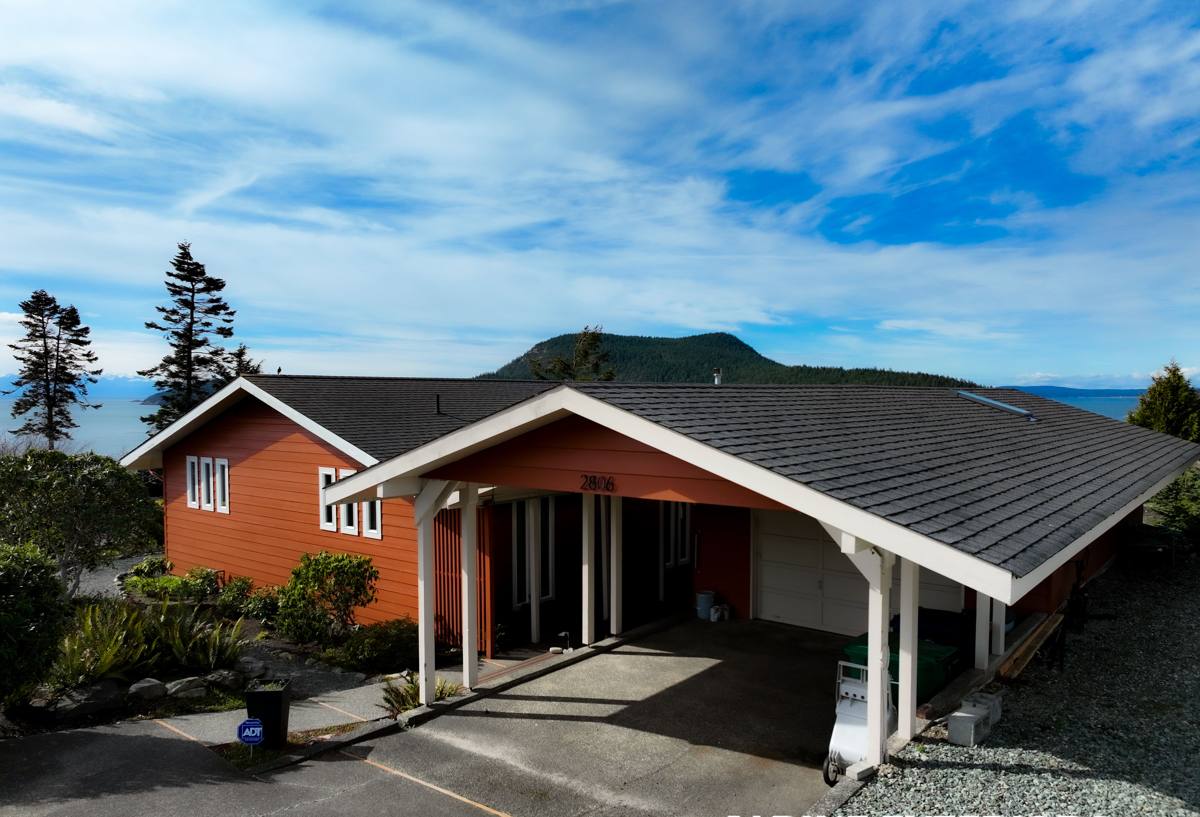
What the Climate Actually Does to a Green Lake Exterior
The problems we see repeatedly on Green Lake homes aren't dramatic. They're slow, cumulative, and easy to ignore until they aren't.
Moss and Algae
Shaded roofs and north-facing siding hold moisture far longer than sun-exposed surfaces. Moss doesn't just look bad — it holds water against the roofing material or siding surface, works into seams and laps, and accelerates decay underneath. On a heavily shaded lot, moss can establish itself within a single wet season if surfaces aren't sealed and detailed correctly.
Wood Rot at Vulnerable Points
Older siding materials, trim, and deck framing that stay damp for extended periods are prone to soft spots, especially at butt joints, fascia boards, and ground-contact areas. Once rot starts, it spreads under paint and caulk where you can't see it until the surface finally fails.
Condensation and Trapped Moisture
Homes tucked under tree canopy get less direct sun and airflow, so moisture that gets behind siding or into window frames has less chance to evaporate. This is a big part of why installation detail — flashing, house wrap, proper clearances — matters more here than in drier climates.
Siding: Why We Only Install James Hardie
We're a Hardie-only siding contractor, and Green Lake's climate is exactly why. We don't install vinyl, LP SmartSide, Cemplank, Allura, primed spruce, or cedar, and we're upfront about why we made that call.
Vinyl siding is affordable and low-maintenance in a general sense, but it can warp under sustained heat and moisture cycling, and its seams and J-channels give water more places to work behind the panel over time — a real concern under a tree canopy that keeps siding wet longer. Engineered wood products like LP SmartSide perform reasonably well when installed and maintained exactly to spec, but they're wood-based, meaning any breach in the factory coating or caulking opens the door to moisture absorption and swelling — a risk we're not willing to take on a lot where surfaces rarely get a full dry-out. Cedar and primed wood siding require an ongoing maintenance commitment — recoating, caulking, monitoring for rot — that most homeowners don't want to sign up for indefinitely, especially in a climate that gives wood so little chance to dry.
James Hardie fiber cement is non-combustible, dimensionally stable, and doesn't swell, rot, or delaminate the way wood-based products can. Hardie's ColorPlus factory finish is baked on and warranted separately from the substrate, so you're not relying on field-applied paint to hold up against our wet season year after year. It's also engineered specifically for climates like ours — the HZ5 product line is formulated for regions with sustained moisture exposure, which describes Green Lake as well as anywhere in the city.
| Material | Moisture Behavior | Maintenance | Why We Skip It |
|---|---|---|---|
| Vinyl | Can warp, seams allow water intrusion | Low, but not repairable | Poor long-term fit for shaded, wet lots |
| LP SmartSide | Wood-based, absorbs moisture if breached | Moderate, coating-dependent | Installation-sensitive in high-moisture areas |
| Cedar / Primed Wood | Absorbs moisture readily | High, ongoing recoating | Not realistic for a low-drying-time lot |
| James Hardie Fiber Cement | Non-combustible, stable, doesn't swell or rot | Low, factory-finished | What we install |
Roofing for Shaded, Moss-Prone Lots
Roofing in Green Lake has to account for moss and debris more than almost anything else. Overhanging branches drop needles and leaves into valleys and gutters, and shaded slopes hold moisture that promotes moss growth on granular roofing surfaces. We pay close attention to:
- Proper attic and roof ventilation, since trapped heat and humidity accelerate shingle wear from underneath
- Flashing at valleys, chimneys, and roof-to-wall transitions, where moss and debris buildup tends to force water sideways instead of down
- Gutter sizing and slope, since undersized or clogged gutters back water up under the roof edge
- Zinc or copper strips at the ridge on request, which help suppress moss regrowth on shaded slopes
Even the best roofing system underperforms if it's fighting a losing battle against standing moisture and organic debris, so we treat moss and drainage as part of the roofing job, not an afterthought.
Windows: Sealing Out a Damp Environment
Many Green Lake homes are older housing stock, and older window units — especially original single-pane wood windows — struggle with condensation and drafts once seals age out. Replacement windows here need to do two things well: hold a tight seal against driving rain, and manage interior condensation in a house that may run more humid than average given the lake's proximity. We flash and seal every window opening to match the same moisture standard we hold siding to, since a window opening is one of the most common places water finds its way into a wall assembly.
Deciding When Windows Actually Need Replacing
Not every window that looks dated needs to come out. We look for failed seals (fogging between panes), soft or rotting frames, drafts you can feel by hand, and difficulty operating the sash — those are the signs that replacement pays off, versus a window that's simply older but still performing.
Decks: Built to Handle Shade and Slow Drying
Decks under tree canopy face the same slow-drying problem as siding and roofing, plus foot traffic and standing water on horizontal surfaces. Framing, ledger boards, and post bases are the areas we scrutinize most, since those are the components that fail quietly and create safety issues if ignored. Composite decking handles shaded, damp conditions with less maintenance than wood, but the structural framing underneath — and how it's flashed against the house — matters more than the decking material itself. We build and repair decks with ledger flashing and joist protection sized for a climate where the deck may not fully dry out between rains for months at a stretch.
Why a Local Crew Matters Here
Green Lake's housing stock, tree cover, and moisture patterns are specific enough that generic exterior advice doesn't hold up well. A crew that works across King County and inside Seattle city limits regularly understands what permitting looks like here, what inspectors expect, and how the neighborhood's older bungalows and craftsman-style homes were originally built — which matters when you're matching trim details or figuring out what's hiding behind existing siding. Local experience also means we're not guessing at how a product will perform under a Green Lake tree canopy — we've already seen it.
What Affects Cost on a Green Lake Exterior Project
| Factor | Why It Matters |
|---|---|
| Tree canopy access | Overhanging branches can require extra care, trimming coordination, or staging adjustments |
| Existing moisture damage | Rot found once old siding or decking is removed adds repair scope |
| Home age and original construction | Older homes may need updated flashing, house wrap, or structural repairs to meet current standards |
| Roof pitch and complexity | Steeper or multi-valley roofs take longer to detail correctly around moss-prone areas |
| Material selection | Hardie siding, composite decking, and quality window units cost more upfront but reduce maintenance and moisture risk |
A Simple Pre-Project Checklist for Green Lake Homeowners
- Check north-facing and shaded siding for moss, staining, or soft spots
- Look in the attic for moisture staining or musty odor after wet weeks
- Check gutters and downspouts for debris buildup, especially near overhanging trees
- Press on deck ledger boards and post bases for softness
- Check window frames for fogging between panes or soft wood at the sill
If you're seeing any of these signs, or you're simply due for an honest look at your home's exterior condition, we're happy to walk the property with you. Reach out for a free, no-pressure estimate — we'll tell you what's actually worth fixing now and what can wait.