 Seattle Exterior
 Exterior Work in Ravenna, Done by People Who Know This Neighborhood
Ravenna sits in one of Seattle's older, tree-canopied residential pockets, and that character is exactly what makes exterior maintenance here different from a newer subdivision out in the suburbs. Mature trees mean more shade, more debris, and more moisture that lingers on rooflines and siding long after a storm has passed. Add in the Puget Sound region's long, wet fall-through-spring stretch and the mild but persistent salt air that reaches inland across King County, and you've got a climate that is quietly hard on a home's exterior even when nothing dramatic ever happens to it.
We work throughout Seattle and King County, and Ravenna is a neighborhood we know well — the mix of early-1900s bungalows, mid-century remodels, and newer infill construction each come with their own exterior quirks. This page covers what we see most often on Ravenna homes and how our siding, roofing, window, and deck work is built around those conditions.
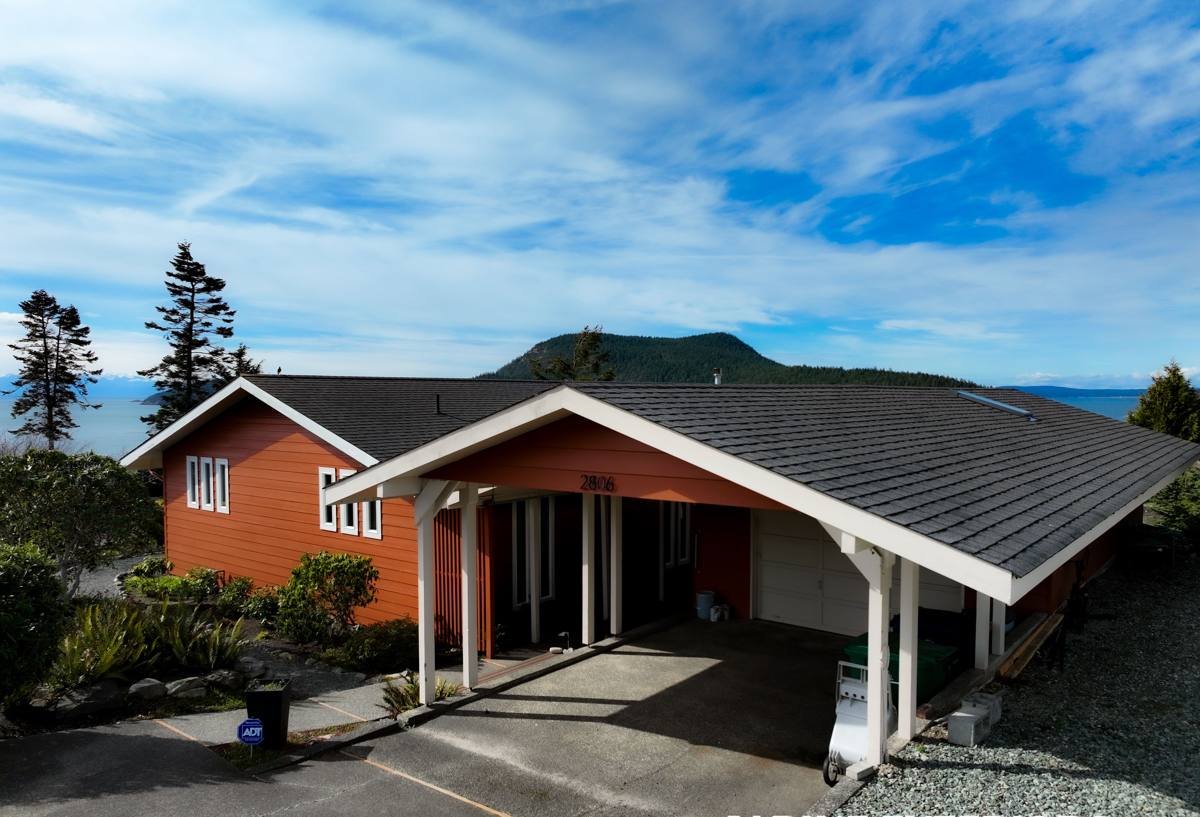
What the Climate Actually Does to a Ravenna Home
Driving Rain and Prolonged Dampness
Seattle doesn't get the heaviest annual rainfall in the country, but it gets a lot of low-intensity rain over many consecutive months, and wind off Puget Sound frequently drives that rain sideways into wall assemblies rather than straight down. On a shaded lot — common in Ravenna, with its older street trees — siding and trim can stay damp for days at a time. That prolonged moisture exposure is what breaks down materials that aren't built to handle it, not any single storm.
Salt Air, Even This Far Inland
Ravenna isn't waterfront, but the broader Seattle basin sits between Puget Sound and Lake Washington, and airborne salt and moisture travel further inland here than most homeowners expect. Over years, that exposure accelerates corrosion on fasteners, flashing, and any exterior material without real weather resistance built in.
Moss Season
Shade plus moisture plus mild temperatures is a moss and algae incubator. On roofs, moss lifts shingles and holds water against the deck. On siding, algae staining and moss growth in seams and laps are the most common cosmetic complaint we hear from Ravenna homeowners — and on some materials, that surface growth is a symptom of moisture the material is actually absorbing.
Siding: Why We Only Install James Hardie
We install James Hardie fiber cement siding exclusively. We don't install vinyl, LP SmartSide, Cemplank, Allura, or primed wood species like spruce or cedar. That's not a marketing position — it's a standard we hold because of what we've seen these materials do (and not do) in exactly the climate Ravenna sits in.
- Vinyl expands and contracts with temperature swings and can warp or crack in cold snaps; it also doesn't hold paint, so your color options are locked to what the panel shipped with.
- Wood-based composite siding (LP SmartSide) uses engineered wood strand technology that performs well when installed and maintained exactly to spec, but any breach in the factory coating or caulking lets moisture into the wood substrate — a real risk in a climate where siding stays damp for days.
- Other fiber cement brands (Cemplank, Allura) are legitimate products, but we've standardized on one manufacturer, one installation system, and one warranty structure so every job we do is consistent and every client gets the same accountability.
- Primed wood siding looks great on day one but demands a repainting and caulking schedule most homeowners underestimate — and in a shaded, damp neighborhood like Ravenna, wood siding is the material most likely to hold moisture and feed moss growth.
James Hardie fiber cement is non-combustible, doesn't expand and contract the way vinyl does, resists moisture intrusion far better than wood-based products, and comes with a factory-applied ColorPlus finish that's baked on rather than painted on-site — meaning better color retention and no repainting cycle for years. Hardie's HZ5 product line is engineered specifically for climates like ours, with freeze-thaw and moisture cycling in mind. It's backed by a strong transferable warranty, which matters if you plan to sell the home down the road.
Siding Options at a Glance
| Material | Moisture Behavior in Wet Climates | Maintenance | Our Position |
|---|---|---|---|
| James Hardie Fiber Cement | Engineered to resist moisture and freeze-thaw damage | Occasional wash, no repainting for years | What we install |
| Vinyl | Doesn't absorb moisture, but seams and gaps can trap it behind panels | Low, but can't be repainted or easily repaired | Not installed by us |
| LP SmartSide / Wood Composite | Good when coating stays intact; vulnerable if breached | Requires monitoring caulk joints and coating integrity | Not installed by us |
| Primed Cedar/Spruce | Absorbs moisture readily; prone to rot and moss in shade | Repainting and sealing on a regular cycle | Not installed by us |
Roofing: Built to Shed Moss, Not Just Rain
Roof failures in this part of Seattle are rarely dramatic — they're slow. Moss holds moisture against shingles, granule loss speeds up under shaded, damp conditions, and flashing around chimneys and valleys is where leaks actually start. When we work on a Ravenna roof, we pay close attention to:
- Valley and flashing details, since that's where the overwhelming majority of leaks originate
- Proper ventilation, which reduces the moisture buildup that feeds moss and rot from underneath the roof deck
- Material selection suited to shaded, tree-heavy lots rather than a one-size-fits-all approach
We also handle straightforward roof repairs and moss remediation, not just full replacements — a lot of Ravenna homes just need targeted work, and we'll tell you honestly if that's the case rather than push a bigger job.
Windows: Sealing Out a Climate That Never Fully Dries Out
Older Ravenna homes often still have original or early-replacement windows, and the failure point is almost always the seal, not the glass. Once a seal fails, condensation between panes and drafts follow, and in a climate this consistently damp, that failure happens faster than it would in a drier region. When we replace windows, we're as focused on the flashing and sealing details around the frame as we are on the window unit itself — a well-installed window with poor flashing will leak regardless of the product's quality.
Decks: Built for Wet, Shaded Conditions
Decks in a shaded neighborhood like Ravenna deal with the same slow-moisture problem as roofs and siding — algae, slickness, and wood movement from repeated wet-dry cycling. Proper board spacing, ledger flashing, and drainage underneath the deck all matter more here than they would in a sunnier, drier climate. We build and repair decks with those specifics in mind rather than applying a generic approach.
Why a Local Crew Matters for This Kind of Work
Exterior work isn't just about installing a product correctly — it's about understanding how that product will behave on this specific lot, under this specific tree canopy, facing this specific direction. A crew that works across Seattle and King County regularly sees how shade patterns, wind exposure, and moisture behave differently street to street, even within the same neighborhood. That's the kind of judgment that doesn't come from a manual — it comes from doing the work here, repeatedly, and paying attention to what actually happens over time.
What to Check Before Hiring Anyone for Exterior Work
- Are they licensed and insured to work in Washington State, and can they provide proof without hesitation?
- Do they specify the exact product lines and manufacturers they use, or do they speak in vague terms like "premium siding"?
- Will they explain flashing and moisture-management details, not just the finished appearance?
- Do they offer a written, itemized estimate rather than a verbal ballpark?
- Can they speak specifically to how their work holds up in wet, shaded Pacific Northwest conditions?
Cost Factors Homeowners Should Understand
| Factor | Why It Affects Cost |
|---|---|
| Home size and story count | More surface area and access difficulty (ladders, lifts) increase labor |
| Existing material removal | Tear-off and disposal of old siding, roofing, or decking adds time and cost |
| Moisture or rot damage found during removal | Damaged sheathing or framing must be repaired before new material goes on |
| Trim, corner, and detail complexity | Homes with more architectural detail require more precise, time-intensive installation |
| Product line selected | Within Hardie's own lineup, plank profiles and finishes vary in price |
We don't publish fixed price lists because every home and every scope is different, but we'll always walk you through what's driving the number on your specific estimate.
Ready to Talk About Your Ravenna Home?
If your siding, roof, windows, or deck are showing signs of the wear this climate causes — moss, staining, soft spots, or just age — we're happy to come take a look. Fill out the form below for a free, no-pressure estimate, and we'll give you a straight answer about what your home actually needs.