 Seattle Exterior
 Why Ballard Roofs Wear Differently Than Roofs Inland
Ballard sits close enough to Salmon Bay and Puget Sound that homes here deal with a slightly different mix of punishment than a roof twenty minutes east. Salt-tinged air moving off the water accelerates corrosion on exposed metal fasteners, flashing, and vent caps. Add Seattle's long wet season, where roofs can stay damp for days at a stretch, and you get ideal conditions for moss, algae, and slow moisture intrusion that a drier climate roof would never have to fight. None of this means Ballard roofs fail faster across the board — it means the details of the installation matter more here than they would somewhere with a shorter, drier winter.
A roof installed without that context in mind — using inland assumptions about ventilation, fastener grade, or underlayment — tends to show its age early: streaking, soft spots at valleys, and moss establishing itself within the first couple of wet seasons instead of taking years to show up.
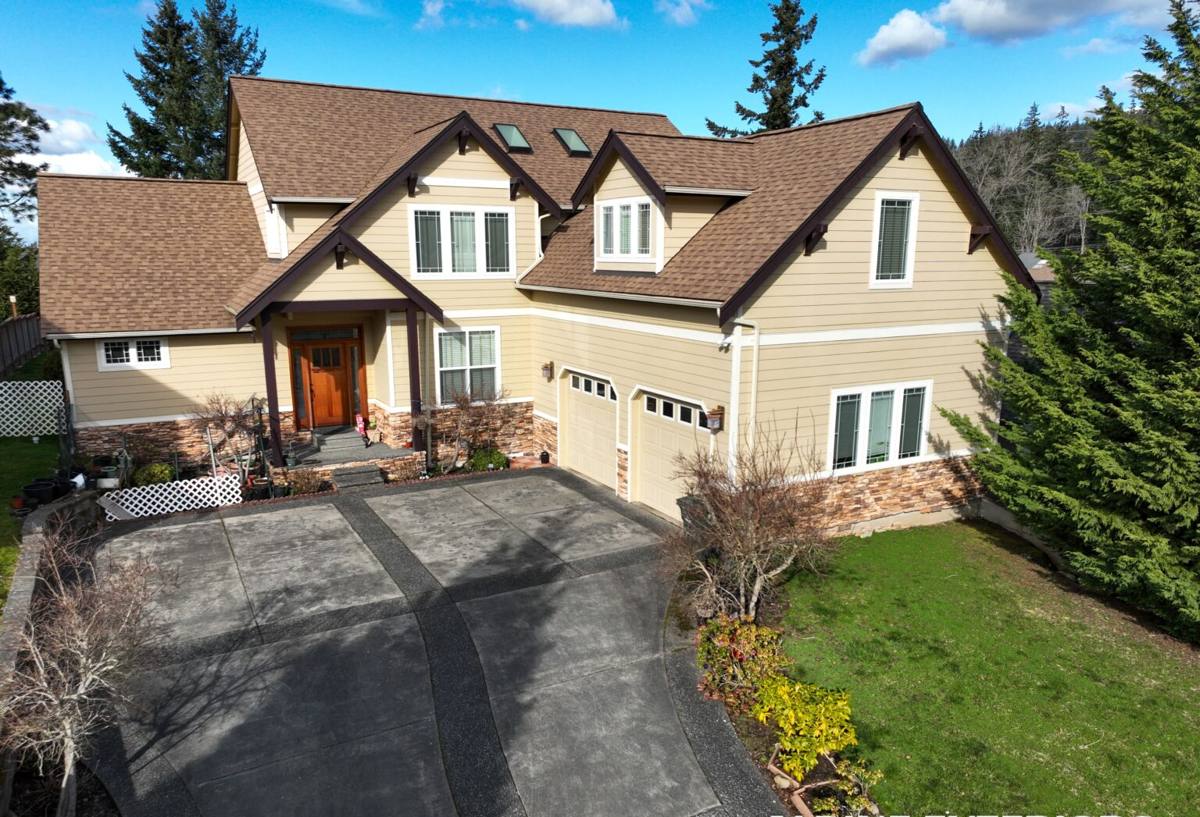
Signs a Ballard Home Needs a New Roof, Not Another Repair
Most homeowners call us after a leak, but by the time water is visibly coming through, the roof has usually been failing quietly for a while. Some signs point clearly toward replacement rather than another patch:
- Granule loss heavy enough that shingles look patchy or the color has gone uneven across large sections
- Multiple layers of moss or algae that keep returning within a season or two of cleaning
- Shingles that are cupping, curling at the edges, or cracking when walked on
- Soft or spongy decking felt underfoot, especially near valleys, chimneys, or the eaves
- Daylight visible through the attic roof deck, or consistent damp insulation below specific spots
- A roof already past 20-25 years old for asphalt shingle, even if it "looks fine" from the ground
If your roof is showing one or two of these, a repair may still make sense. If it's showing several at once, or the roof is already at the end of its expected service life, patching becomes a short-term fix on a system that's already failing underneath.
What a Correct New Roof Installation Actually Involves
Full Tear-Off, Not a Layover
We remove the existing roofing down to the deck rather than installing new shingles over old ones. A layover traps moisture between layers, hides deck damage, and shortens the life of the new roofing — a real problem in a climate where trapped moisture has months to do damage before a dry stretch shows up.
Deck Inspection and Repair
Once the old roofing is off, the plywood or plank decking gets inspected board by board. Any wood that's soft, delaminated, or water-stained through gets replaced before anything new goes down. Skipping this step is one of the most common shortcuts in the trade, and it's the one that causes early failures no matter how good the shingles are.
Underlayment and Ice-and-Water Protection
Synthetic underlayment goes down as the primary water barrier, with self-adhering ice-and-water shield membrane at the vulnerable spots — eaves, valleys, around chimneys and skylights, and anywhere two roof planes meet. In a region with prolonged wind-driven rain, these details do more to prevent leaks over the life of the roof than the shingle brand does.
Flashing
New flashing at every penetration and transition — chimneys, vent pipes, sidewalls, valleys. Reused old flashing is a common source of "new roof, same leak" complaints, since flashing takes the most direct water exposure of any component on the roof.
Ventilation
Balanced intake and exhaust ventilation keeps the attic space closer to outside temperature and moisture levels, which reduces condensation buildup and slows moss growth from underneath as well as from above.
Roofing Materials for Ballard's Coastal-Adjacent Climate
There's no single "best" roofing material — the right choice depends on your home's age, roofline, budget, and how much long-term maintenance you're willing to take on. Here's how the common options stack up for a wet, moss-prone, salt-air-adjacent neighborhood like Ballard.
| Material | Typical Lifespan | Moss/Moisture Behavior | Notes for This Area |
|---|---|---|---|
| Architectural asphalt shingle | 25-30 years | Moderate moss resistance; algae-resistant granules help | Best balance of cost, performance, and warranty support for most Ballard homes |
| Standing seam metal | 40-50+ years | Sheds moisture fast, very moss-resistant | Higher upfront cost; fasteners and flashing should be corrosion-rated given proximity to salt air |
| Cedar shake | 20-30 years with upkeep | Prone to moss and rot without regular maintenance | Requires consistent cleaning and treatment in our wet season; higher long-term labor commitment |
| Synthetic composite shingle | 30-50 years | Good moisture and moss resistance | Lightweight, consistent appearance; worth pricing against architectural asphalt for older roof structures |
We don't push cedar shake as a default choice in this climate — not because it's a bad product, but because keeping it performing well here means regular cleaning, moss treatment, and periodic re-coating that many homeowners underestimate before they commit to it. If you want the look and are prepared for that maintenance schedule, we'll install it correctly. If you'd rather have a lower-maintenance roof that still holds up to King County winters, asphalt or synthetic composite is usually the more honest recommendation.
Our Installation Process, Start to Finish
- On-site inspection and estimate — we look at the current roof, attic ventilation, and any problem areas before quoting anything
- Material selection — we walk through options based on your roofline, budget, and how the house is used
- Scheduling around weather — Seattle's wet season means we plan tear-off days carefully and stage materials to minimize the roof being open to weather
- Tear-off and deck inspection — old roofing removed, decking checked and repaired as needed
- Underlayment, flashing, and ventilation installed — the parts of the job that determine how the roof performs in year five and year fifteen, not just on install day
- New roofing installed to manufacturer specification, since that specification is what keeps material warranties valid
- Final walkthrough — cleanup, magnetic nail sweep of the yard and driveway, and a review of the finished roof with you
Ventilation and Moisture Control Matter More Here
A new roof isn't just the shingles you see — it's a system that manages moisture moving both directions: rain trying to get in, and warm, humid attic air trying to get out. In Seattle's marine climate, an attic that can't breathe properly holds onto moisture longer, which speeds up moss growth on the roof surface and can lead to condensation issues inside the attic itself, including on the underside of the decking. We check existing intake and exhaust ventilation as part of every installation and correct it where it's undersized or blocked, rather than just replacing the roofing on top of an already flawed system.
What Affects the Cost of a New Roof in Ballard
| Factor | Why It Matters |
|---|---|
| Roof size and pitch | Steeper roofs take longer to work safely and use more material per square |
| Number of layers being removed | Tear-off labor increases with each existing layer of roofing |
| Deck condition | Rotted or delaminated sheathing found during tear-off adds repair cost, but it's not optional to skip |
| Material choice | Asphalt, metal, and synthetic composite carry different material and installation costs |
| Roof complexity | Valleys, dormers, chimneys, and skylights each add flashing detail and labor time |
| Access | Tight lots, limited driveway access, or steep terrain around the home can affect staging and disposal costs |
We don't quote a roof over the phone without seeing it — too many of these factors only become clear once we're actually on the roof and in the attic. What we can tell you upfront is that the cheapest bid on paper is often the one that's skipping deck repair, flashing replacement, or proper ventilation, and those are the corners that cause the callbacks.
Why Hiring a Crew That Already Works Ballard Matters
Ballard has a real mix of housing stock — older bungalows and Craftsman homes alongside newer infill construction — and roof structures vary accordingly. A crew that regularly works this neighborhood already has a feel for common decking conditions in homes of a certain age, typical attic ventilation setups, and how Seattle and King County permitting and inspection typically go for reroofing work. That familiarity translates into fewer surprises mid-project and a more accurate estimate from the first visit, rather than change orders after tear-off begins.
It also means we're not guessing about how this specific climate treats a roof over time — we're basing material and detailing recommendations on what we actually see holding up, and what we see failing early, on homes just like yours.
After Installation: Keeping a New Roof Performing
A correctly installed roof still benefits from basic upkeep, especially in a climate that grows moss on almost anything left damp long enough.
- Keep gutters clear so water isn't backing up under the roof edge, especially heading into fall
- Trim back overhanging branches that keep sections of the roof shaded and slow to dry
- Have moss addressed early with gentle removal methods rather than pressure-washing, which can strip granules
- Do a visual check after major windstorms for lifted or missing shingles and displaced flashing
- Schedule a periodic inspection every few years, even without an obvious problem, to catch small issues while they're still small
If you're weighing a repair against a full replacement, or you just want an honest look at where your current roof stands, we're happy to come take a look. Fill out the form below for a free, no-pressure estimate.