 Seattle Exterior
 Exterior Work Built for Kirkland's Climate
Kirkland sits on the eastern shore of Lake Washington, and that location shapes what happens to a house here over time. Homes close to the water deal with near-constant humidity and shaded, tree-heavy lots that stay damp long after a storm has passed. Homes up the hill toward Rose Hill or Finn Hill get more wind exposure and driving rain off the Sound weather systems that move through King County most of the fall and winter. Either way, moisture is the constant. We've worked on enough exteriors in this part of the Eastside to know that what protects a house in a drier climate often falls short here, and that's the lens we bring to every siding, roofing, window, and deck project in Kirkland.
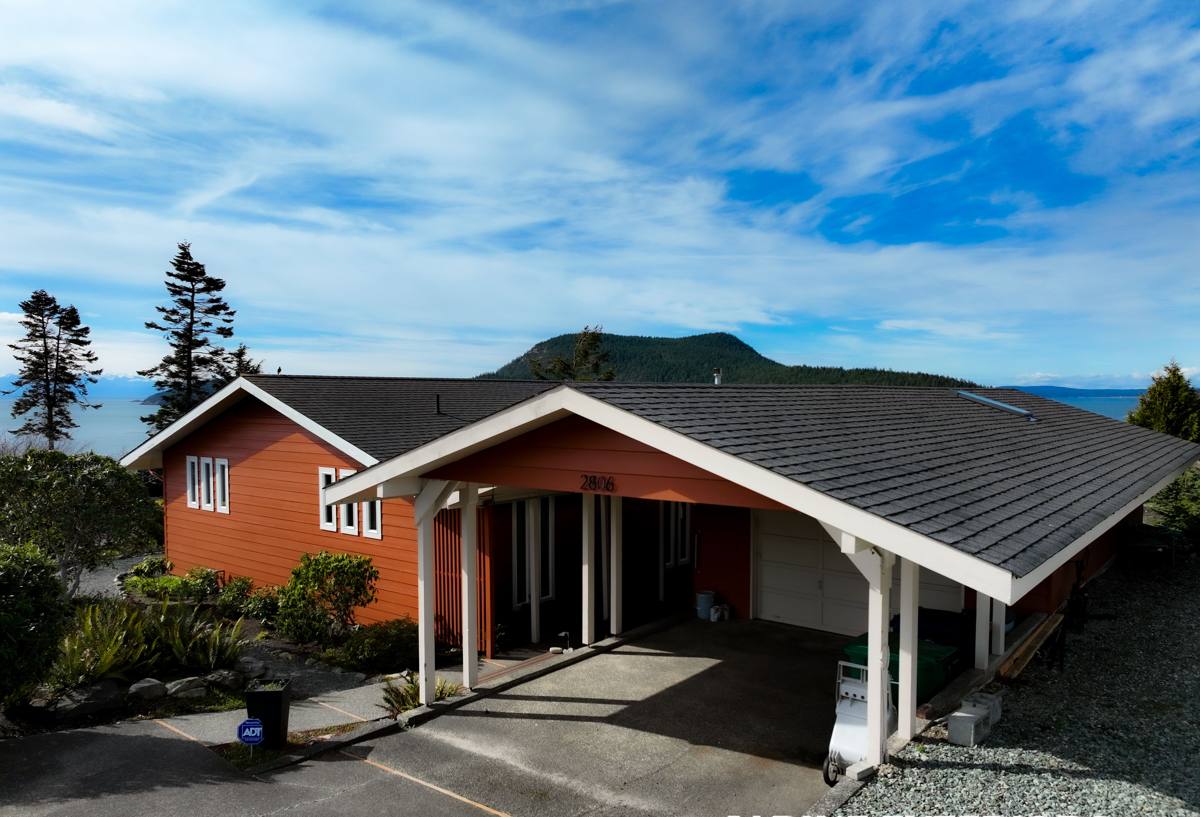
What Kirkland's Weather Actually Does to a House
Moisture That Doesn't Leave
Between lake-effect humidity, mature tree canopy, and the region's long stretch of overcast, drizzly months, exterior surfaces in Kirkland rarely get a full, dry drying cycle. Wood-based siding products absorb that moisture, swell, and eventually rot or delaminate at the seams. Paint films crack and peel faster than the label promises. This is the primary reason we don't install products that depend on a factory or field-applied coating to keep water out over the long term.
Moss and Algae Season
Shaded roofs and north-facing siding in Kirkland's leafier neighborhoods can stay wet for weeks at a stretch, which is exactly the condition moss and algae need to take hold. Moss on a roof isn't just cosmetic — it holds water against shingles and can work its way under tabs and flashing over several seasons. On siding, algae staining is mostly an appearance issue, but it's a visible marker of a surface that isn't drying properly.
Driving Rain and Wind-Driven Water
Storms coming off the Sound don't always fall straight down. Wind-driven rain gets pushed sideways into wall assemblies, which is why flashing details, house wrap, and the way siding is fastened matter as much as the siding material itself. A product that looks fine in a showroom can still fail on a Kirkland home if it isn't installed with this kind of weather in mind.
Siding: Why We Only Install James Hardie
We install James Hardie fiber cement siding exclusively. We don't offer vinyl, LP SmartSide, Cemplank, Allura, primed spruce, or raw cedar, and that's a deliberate standard, not a lack of options. In a climate that stays wet as long as Kirkland's does, the material matters more than the price tag on day one.
What Makes Hardie Different Here
- Fiber cement doesn't absorb and swell with moisture the way wood-based or wood-composite siding can
- It's non-combustible, which matters given the wildfire smoke and dry-season fire risk the broader Puget Sound region has seen in recent years
- ColorPlus factory finish is baked on and warranted separately from the siding itself, which reduces the repainting cycle that shaded, damp Kirkland lots make more frequent with field-painted products
- Hardie's HZ5 product line is engineered for the freeze-thaw and moisture profile of the Pacific Northwest, not a generic national spec
What Correct Installation Looks Like
Hardie siding is only as good as the install behind it. That means proper weather-resistive barrier, correct flashing at windows, doors, and any lake-facing decks, and fastener placement and gaps set to the manufacturer's spec rather than to whatever's fastest. Crews that don't do this daily tend to rush these details, and on a Kirkland home those shortcuts show up as staining, buckling, or moisture intrusion within a few wet seasons rather than a few decades.
Roofing for Shaded, Wet Lots
Roofing in Kirkland has to account for moss, needle and leaf litter from mature trees, and long stretches without direct sun to dry the surface. We look at ventilation, underlayment, and flashing as closely as we look at the shingle or roofing material itself, because on a shaded roof those details determine whether moss and trapped moisture become a slow, expensive problem or stay a non-issue. Gutter and edge detailing also matters more here than in drier climates, since debris buildup combined with standing water is what actually causes rot at the roof edge, not the rain by itself.
Windows That Hold Up to Wind-Driven Rain
Older or poorly flashed windows are one of the most common places we find water intrusion on Kirkland homes, especially on walls that face open water or prevailing storm direction. Replacement windows need correct flashing integration with the wall assembly and siding, not just a good window unit dropped into an old opening. We size window and door replacement work into the broader siding project whenever possible, since that's the point where flashing details are easiest to get right.
Decks: Lake Homes and Shaded Yards Both Have Issues
Kirkland decks fall into two categories that each need different attention. Lakefront and lake-view decks see more direct weather exposure and, depending on proximity to the water, more humidity in the air even on dry days. Decks on shaded, tree-covered lots inland stay damp and are more prone to moss, mildew, and slow wood decay because they simply don't get enough sun to dry out between rains. In both cases, ledger board flashing, joist protection, and drainage away from the house are the details that determine whether a deck lasts or needs early structural repair. We build and repair decks with those specifics in mind rather than treating every deck in King County the same.
Why Hiring a Local Kirkland Crew Actually Matters
A crew that works around Lake Washington regularly knows which walls on a given lot orientation take the worst weather, how shaded a lot needs to be before moss becomes a maintenance issue, and what King County and City of Kirkland permitting and inspection expect for siding, re-roofing, and deck work. That local familiarity shortens the guesswork on your project and reduces the odds of a callback for something a crew unfamiliar with the area might not have anticipated — like under-flashing a lake-facing wall or underestimating how much shade a lot actually gets through the winter.
Comparing Siding Options for a Kirkland Home
| Material | Moisture Behavior in Wet, Shaded Climates | Maintenance Cycle | Why We Do or Don't Install It |
|---|---|---|---|
| James Hardie fiber cement | Doesn't absorb and swell; factory finish sheds water | Low; ColorPlus finish holds years longer than field paint | What we install — matched to Pacific Northwest moisture and fire conditions |
| Vinyl | Doesn't rot, but can warp, and seams can let moisture behind the panel | Low, but limited repair and color options once faded | Not installed — trade-offs in appearance and long-term repairability |
| Wood-composite (e.g., LP SmartSide) | Engineered wood strand core is moisture-resistant but still wood-based | Moderate; edges and cut ends need careful sealing | Not installed — we prioritize non-wood-based moisture performance |
| Cedar or primed spruce | Absorbs moisture readily; needs consistent drying between storms | High; regular refinishing and moisture monitoring | Not installed — high-maintenance in Kirkland's shaded, damp conditions |
Signs Your Kirkland Home Needs Exterior Attention
- Moss buildup on the roof, especially on north-facing or heavily shaded slopes
- Green or black staining on siding that doesn't wash off with light cleaning
- Soft or spongy siding, trim, or deck boards near ground level or under downspouts
- Paint that's peeling or bubbling on wood trim faster than a normal repaint cycle
- Water staining on interior walls near windows after a heavy wind-driven rain
- Gutters that overflow during storms due to debris from nearby trees
- Deck boards that stay damp for days after a rain instead of drying within a day or two
How We Approach a Kirkland Project
We start with a walk-through of the specific lot — how much shade it gets, which walls face prevailing weather, how close it sits to the lake, and what condition the current siding, roof, windows, or deck are actually in versus how they look from the street. From there we scope the work with King County and Kirkland permitting requirements in mind, and we build the plan around materials and flashing details suited to this climate, not a one-size-fits-all national spec. If siding replacement is part of the project, that's where James Hardie comes in, installed to manufacturer spec with the flashing and moisture management details this area demands.
If you're noticing moss, staining, soft spots, or drafts around your Kirkland home, we're happy to take a look and put together a straightforward, no-pressure estimate. There's a form below to get started.