 Seattle Exterior
 Exterior Work Built for Columbia City's Older Housing Stock
Columbia City is one of Seattle's older, more established neighborhoods, and that shows in the exteriors. A lot of the housing here dates back decades — bungalows, older Craftsman-style homes, and mid-century additions that have been through multiple owners and multiple rounds of patchwork repair. When we get called out to a home in Columbia City, we're rarely looking at a blank slate. We're usually looking at layers: old siding over older siding, a roof that's been re-covered more than once, windows that were "upgraded" at some point in the 90s and never touched since. Working on this kind of housing stock takes a different eye than new construction, because the problems are often hidden behind whatever was done last, not what was done first.
That history matters when you're planning exterior work, because the right fix depends on what's underneath, not just what you can see from the sidewalk.
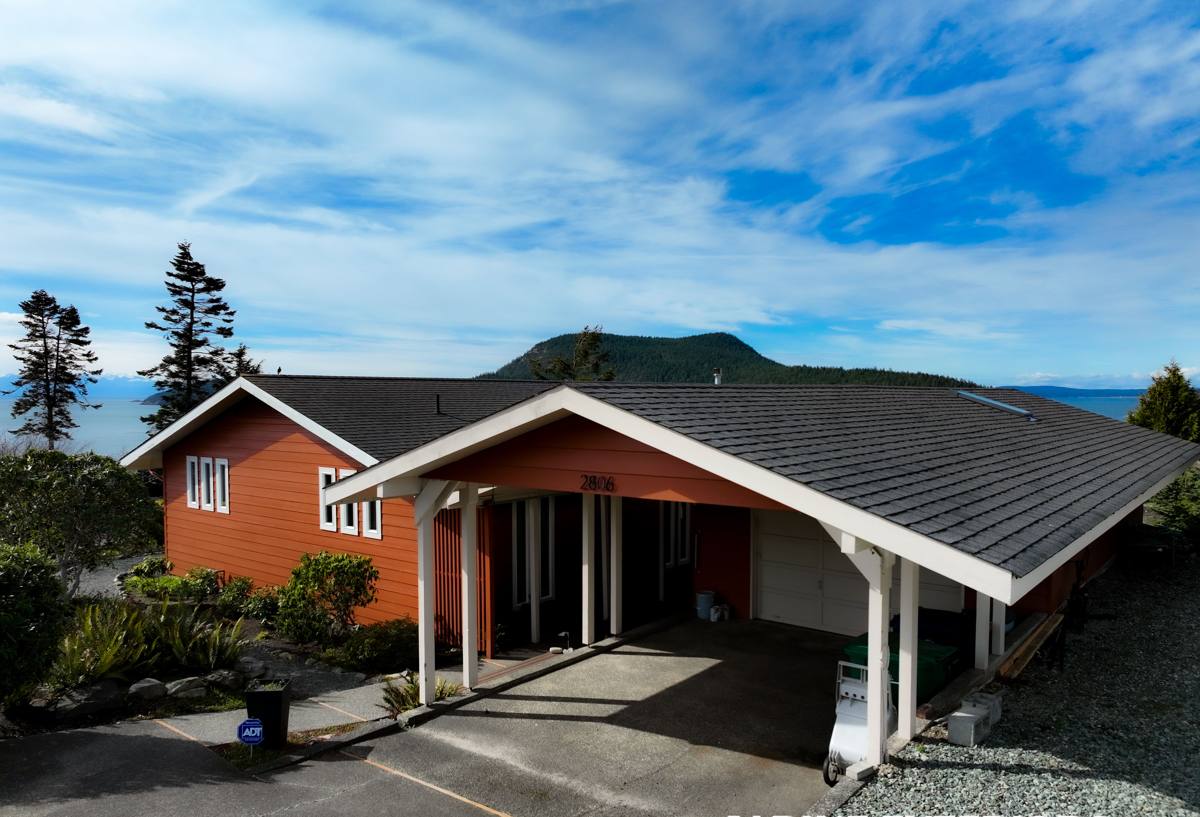
What Seattle's Climate Does to a Columbia City Home
Columbia City sits inland from the water compared to some Seattle neighborhoods, but it still gets the full package of what King County throws at a house every year: long stretches of driving rain, high humidity that never really lets up, and short winter days that keep moisture sitting on exterior surfaces instead of drying off. Add a mature tree canopy — common in this part of the city — and you get shade, leaf litter, and slower-drying siding and roofing in the areas closest to big trees.
The moss and mildew problem
Moss season here isn't a minor cosmetic issue. On roofs, moss holds moisture against shingles and lifts them over time, shortening the life of the roof covering. On siding, algae and mildew streaking is mostly appearance, but on wood-based products it can be a sign that the surface is staying wet longer than it should. We see this constantly on north-facing walls and anywhere a home sits close to fencing, shrubs, or neighboring structures that block sun and airflow.
Salt air and coastal exposure
Seattle homes, including those set back from the immediate waterfront, still deal with salt-laden air moving in off Puget Sound, especially during storm systems. Salt air accelerates corrosion on exposed fasteners, flashing, and metal trim, and it can be tough on paint finishes that aren't built for a marine-influenced climate. It's one more reason we pay close attention to the metal components of a job — flashing, fasteners, gutter hardware — not just the siding or roofing material itself.
Driving rain and wind-blown moisture
Rain in this region rarely just falls straight down. Wind pushes it sideways into wall assemblies, especially on exposed elevations and around window and door openings. That's where poor flashing detail or a bad caulk job shows up years later as rot, not immediately. A house can look fine for a long time before wind-driven rain finds its way behind the cladding.
Siding: Why We Only Install James Hardie
We install James Hardie fiber cement siding exclusively. We don't install vinyl, LP SmartSide, Cemplank, Allura, or primed wood siding like spruce or cedar. That's a deliberate standard, not a sales pitch, and homeowners in Columbia City deserve to know why.
What we're avoiding, and why
- Vinyl siding expands and contracts significantly with temperature swings, can warp or crack in impact, and doesn't offer the same fire resistance as fiber cement.
- LP SmartSide and other engineered wood products use wood strand technology that performs well when installation and maintenance are done exactly to spec, but they remain wood-based products that need consistent caulking and painting upkeep to keep moisture out over the long run — a demanding standard in a climate this wet.
- Cemplank and Allura are fiber cement competitors and reasonable products in general terms, but we've standardized on one manufacturer's system, warranty structure, and factory finish so every crew on our team installs to one set of specs, every time.
- Primed cedar or spruce siding looks great on day one, but bare or primed wood requires ongoing repainting and caulk maintenance to hold up against Pacific Northwest rain, and it's genuinely combustible in a way fiber cement is not.
Why James Hardie
James Hardie fiber cement is non-combustible, doesn't swell or rot from moisture the way wood-based products can, and comes with a factory-applied ColorPlus finish that's engineered to hold color and resist the fading and moisture damage that field-painted siding is prone to in a climate like ours. Hardie also builds climate-specific HZ product lines, which matters here — a product engineered for a wet, moderate coastal climate is a better match for Columbia City than a general-purpose siding. The warranty is transferable, which adds real value if a home changes hands, and the long track record when installed correctly gives us confidence recommending it over alternatives.
Roofing in a Moss-Heavy, Rain-Heavy Neighborhood
Roofing work in Columbia City is dictated almost entirely by the tree cover and rain totals typical of this part of Seattle. Moss growth, slow-drying valleys, and gutters that clog with needles and leaves are the recurring issues we see on inspections. A roof replacement or repair here isn't just about the shingles — it's about ventilation, underlayment quality, and flashing details around chimneys, skylights, and roof-to-wall transitions, since those are the spots where driving rain finds a way in over time.
What we check on every roof
- Condition and coverage of underlayment beneath the visible roofing material
- Moss and algae staining patterns, especially on shaded or north-facing slopes
- Flashing integrity around penetrations — chimneys, vents, skylights
- Gutter and downspout function, since clogged systems back water up under roofing edges
- Attic ventilation, which affects both roof lifespan and moisture buildup indoors
Windows: Sealing Out Wind-Driven Rain
Older Columbia City homes often still have original or early-replacement windows that were never properly flashed to modern standards. When we replace windows, the flashing and sealing detail around the rough opening matters as much as the window unit itself — it's the difference between a window that sheds wind-driven rain and one that lets it track behind the siding. We also look at how new windows integrate with the surrounding siding, especially on Hardie installations, where trim and flashing details are part of getting the whole wall assembly right.
Decks: Built for Year-Round Exposure
Decks in this climate take a beating from standing moisture, shade-driven mold growth, and the freeze-thaw cycles that do happen here even if they're less extreme than colder climates. We build and repair decks with drainage, ledger flashing, and material choice in mind, since a deck that traps water against the house structure creates the same kind of hidden rot problem as bad siding or roofing flashing.
A quick pre-project checklist for Columbia City homeowners
- Check for moss buildup on roof valleys and north-facing siding each fall
- Look for soft or discolored trim around windows and doors — a sign of trapped moisture
- Clear gutters before the heavy rain season to prevent water backing up under roofing
- Watch for paint or finish failure on wood siding, which signals moisture getting through
- Have deck ledger boards and flashing inspected periodically, since they're hidden from view
Cost Factors to Expect
Every home is different, but these are the factors that most often move the number on a Columbia City exterior project:
| Factor | Why It Matters Here |
|---|---|
| Existing layers of siding or roofing | Older homes often need tear-off before new material goes on, adding labor |
| Tree cover and shade | Affects moss mitigation, drying time, and access for crews |
| Hidden moisture damage | Rot found once old siding or roofing is removed adds repair scope |
| Window and door count | Each opening needs its own flashing and trim detail |
| Home age and original construction quality | Older framing may need extra prep before new exterior materials go on |
Why a Local Crew Matters
Exterior work in Seattle isn't generic work. A crew that mainly works drier inland climates will make different assumptions about flashing, ventilation, and material choice than a crew that works King County rain and moss every week. We're on Columbia City roofs, walls, and decks regularly enough to know what fails here first and why, and we build our approach — and our material standards — around that reality rather than a one-size-fits-all playbook.
If you're weighing a siding, roofing, window, or deck project in Columbia City, we're glad to take a look and give you a straight, no-pressure estimate — just fill out the form below.