 Seattle Exterior
 Exterior Work Built for Rainier Valley's Climate
Rainier Valley sits in the middle of Seattle's broader King County weather pattern — the same marine-influenced system that soaks the whole region for months at a stretch. Homes here deal with a long wet season, salt-tinged air pushed inland off Puget Sound during storm systems, and heavy tree canopy in many pockets of the valley that keeps roofs, siding, and decks shaded and damp well after a storm has passed. That combination is exactly what wears down an exterior faster than most homeowners expect: not one big event, but months of low-grade moisture exposure every single year.
We're a Seattle exterior contractor working across King County, and Rainier Valley is a neighborhood we know from repeat jobs, not a zip code we drove through once. That matters more than it sounds like it should. A crew that's worked a dozen homes in the same area already knows which blocks get more wind-driven rain, which lots stay shaded and mossy into July, and which older housing stock tends to hide moisture damage behind original siding. That local pattern recognition shortens the guesswork on every estimate.
What the Valley's Housing Stock Tends to Face
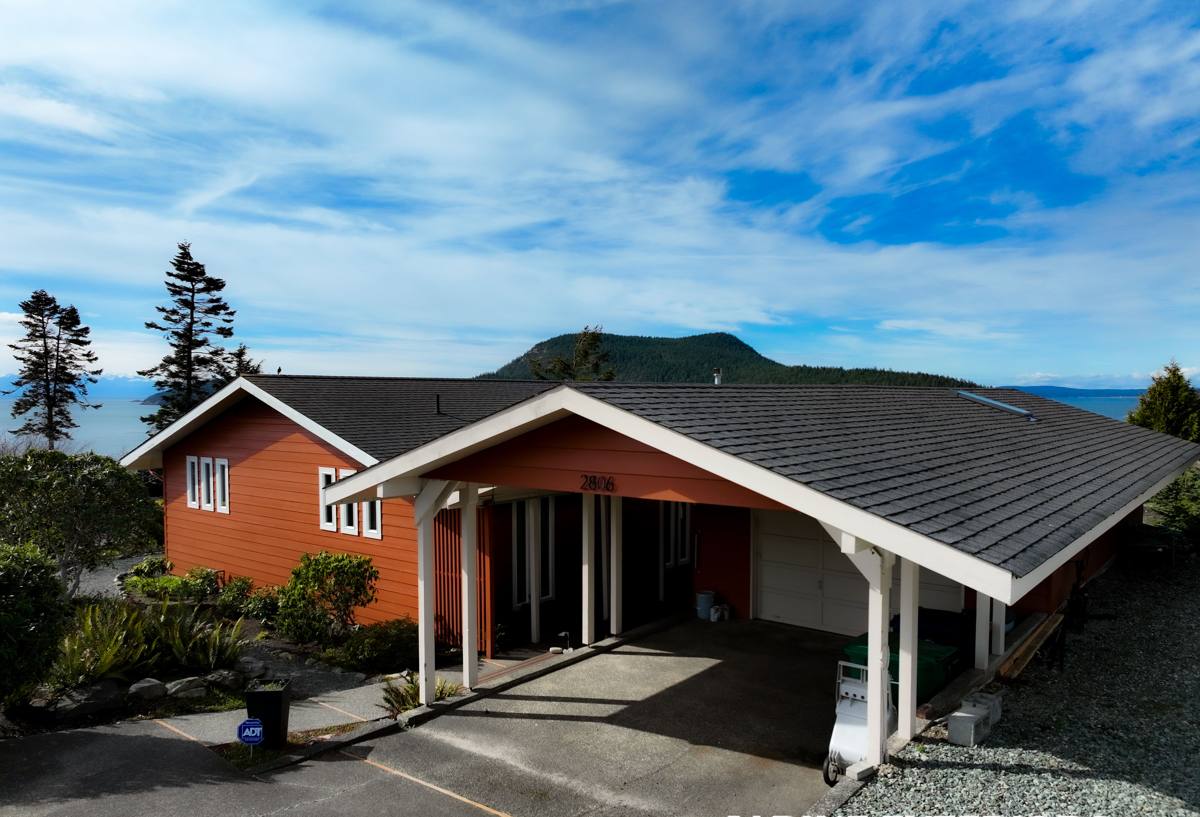
Rainier Valley has a genuine mix of housing ages — older single-family homes from decades past standing alongside newer infill construction. Each has different exterior vulnerabilities:
- Older homes: original wood siding, trim, and sometimes original windows that have been repainted or patched for years past their functional life. Moisture intrusion is often hiding behind cosmetic fixes.
- Mid-vintage homes: a lot of aging composite or engineered wood siding products installed decades ago that are now well past their realistic service life, especially where roof overhangs are shallow.
- Newer construction: generally tighter building envelopes, but not immune — poor flashing details or undersized overhangs can still let a home shed water badly regardless of how new it is.
Roof lines with limited overhang are common throughout the valley's older blocks, and that design choice — fine when it was built — puts more direct rain exposure onto walls than a deeper eave would. It's one of the first things we look at on a walk-around, because it tells us how hard the siding and trim have likely been working.
Moss, Algae, and Shade
Tree-lined streets are part of what makes Rainier Valley pleasant to live on, but that same canopy limits how much sun and wind actually reach a roof or a north-facing wall. Less drying time between rain events means moss and algae get a longer runway to establish. On roofing, that shows up as granule loss and premature aging. On siding, it shows up as discoloration, softening in wood-based products, and paint film failure. On decks, it shows up as slick, degraded surfaces that are as much a safety issue as a cosmetic one.
Siding: Why We Only Install James Hardie
We install James Hardie fiber cement siding exclusively. We don't install vinyl, LP SmartSide, Cemplank, Allura, or primed spruce or cedar siding, and that's a deliberate standard, not an oversight. In a climate like Rainier Valley's — sustained moisture, moss-friendly shade, and long stretches without a real drying window — the material behind the paint matters as much as the paint itself.
Fiber cement doesn't absorb water the way wood-based products do, and it doesn't soften or swell at cut edges and seams the way engineered wood can if a seal ever fails. It's also non-combustible, which is a real consideration anywhere in the Pacific Northwest given regional wildfire smoke seasons and general fire-code trends. James Hardie's ColorPlus factory finish is baked on under controlled conditions, which gives it more consistent long-term color retention than field-applied paint on wood or composite siding — fewer repaint cycles, less maintenance labor over the life of the siding.
James Hardie also makes climate-engineered product lines (their HZ5 line, for instance, is formulated for wetter, cooler regions like ours) rather than a single one-size-fits-all formulation. That regional engineering, paired with a strong transferable warranty, is a big part of why we standardized on it. We're not saying other products can't perform under ideal conditions — we're saying we've chosen not to put our name behind materials that ask a homeowner to manage more maintenance risk than we think is reasonable in this climate.
What Correct Hardie Installation Involves
Material choice only pays off if the install is right. Our process includes:
- Proper weather-resistive barrier and flashing details at every window, door, and penetration
- Correct fastener spacing and type per Hardie's published installation specs
- Manufacturer-specified clearances at grade, roof lines, and decks so siding isn't sitting in standing moisture
- Factory-mitered or properly caulked joints, not gapped or compressed seams
- Ventilation behind the cladding where the assembly calls for it
Installed off-spec, any siding product underperforms — Hardie included. Installed to spec, it's a system designed to shrug off exactly the conditions Rainier Valley sees most of the year.
Roofing for a Long Wet Season
Roofing failures in this area are rarely dramatic. They're slow: a lifted shingle edge, a compromised flashing detail at a chimney or vent stack, moss holding moisture against the roof deck longer than it should. Our roofing work focuses on the details that matter most in a shaded, wet climate — proper underlayment, correctly lapped flashing, adequate ventilation to control attic moisture and ice-damming risk in cold snaps, and material choices suited to moss resistance where a roof stays shaded most of the year.
We also look at gutters and downspouts as part of any roofing conversation, since a roof only performs as well as its water is actually managed once it leaves the surface. Undersized or clogged gutter systems are a common contributor to fascia and siding rot we see on older valley homes.
Windows: Sealing Out the Wet, Keeping in the Heat
Older single-pane or early-generation dual-pane windows are common throughout the neighborhood's older housing stock, and they're often a bigger source of moisture and energy problems than homeowners realize. Failed seals fog between panes, worn weatherstripping lets driving rain find its way to sills and framing, and single-pane glass does King County winters no favors on a heating bill.
Window replacement is also a natural pairing with a siding project, since window openings get fully re-flashed and integrated with new siding at the same time — a cleaner, more weathertight result than replacing either one in isolation.
Decks: Built to Handle Shade and Standing Moisture
A deck in a shaded Rainier Valley yard has a harder job than the same deck in full sun. Slower drying means more time for rot to set into ledger boards, joists, and any wood-to-wood contact point where water can sit. We build and repair decks with attention to proper ledger flashing, joist spacing and hardware rated for wet exposure, and decking materials suited to how much shade and moisture the specific yard actually gets — not a generic spec applied to every job.
Cost Factors to Understand Before You Budget
Every home is different, but these are the variables that most often move a project's price up or down:
| Factor | Why It Matters |
|---|---|
| Existing moisture damage | Rot found once old siding or roofing comes off adds sheathing and framing repair costs |
| Home size and wall complexity | More corners, dormers, and trim details mean more labor and material cuts |
| Access and lot conditions | Tight side yards, slopes, and mature landscaping can slow staging and cleanup |
| Existing siding or roofing type | Some tear-offs are straightforward; others (like old asbestos-cement siding) require special handling |
| Window count and condition | Full-frame replacement costs more than insert replacement, but performs better long-term |
We walk every home in person before giving a number, because a phone estimate on an exterior project in this climate is really just a guess.
Why a Local Crew Is Worth Choosing
An exterior contractor working across all of King County still needs to understand that Rainier Valley isn't identical to a dry-side suburb or a fully exposed waterfront lot. Shade patterns, tree cover, and typical construction eras vary block by block even within Seattle. A crew that's done real work in the neighborhood shows up already knowing what to check first, what local permitting looks like, and how to sequence a project around our wet season rather than fighting it.
Local also means accountability. If a flashing detail needs a second look six months after a roof or siding job, a Seattle-based crew that works this area regularly is a lot easier to get back on-site than an out-of-town operation chasing volume.
A Simple Pre-Project Checklist for Homeowners
- Walk your exterior after a heavy rain and note any water pooling near the foundation or deck ledger
- Check for moss buildup on north-facing roof slopes and shaded siding
- Look at caulking and trim joints around windows for cracking or gaps
- Note any soft spots on deck boards, especially near the house
- Ask any contractor you're vetting for their manufacturer certification and a written scope, not just a verbal quote
If you're seeing any of these signs on a Rainier Valley property, it's worth getting eyes on it before another wet season passes. We offer free, no-pressure estimates — walk the property with us, get a straight answer on what's actually going on, and decide from there. Use the form below to get started.