 Seattle Exterior
 Working On Homes In Beacon Hill
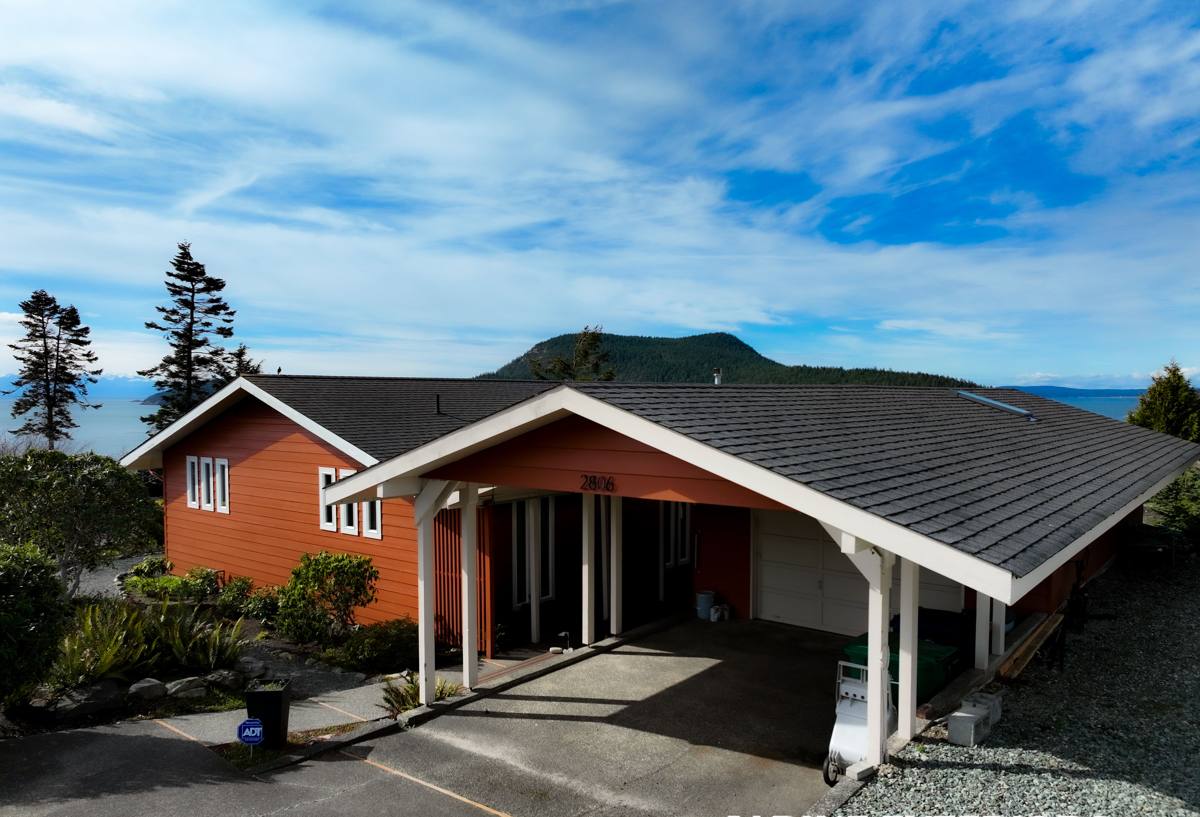
Beacon Hill sits on one of Seattle's ridgelines, with a mix of older bungalows, mid-century homes, and newer infill construction spread across a landscape of slopes, retaining walls, and mature street trees. That combination of elevation, tree cover, and age creates a specific set of exterior problems that show up again and again when we're out doing estimates in the neighborhood. We're a Seattle Exterior Contractor crew that works throughout King County, and Beacon Hill is a neighborhood we get called back to often enough that we know its housing stock reasonably well — the shared walls in older duplexes, the low-slope additions on view-facing lots, the wood siding under decades of repaint.
This page is about what we actually see on Beacon Hill homes, how our siding, roofing, window, and deck work applies to those conditions, and why we standardized on one siding product instead of offering several.
What The Climate Does To Beacon Hill Exteriors
Seattle's marine climate is the backdrop for every exterior decision on this hill, but a few local factors sharpen it. Homes higher on the ridge catch more wind-driven rain off Puget Sound, which pushes moisture sideways into siding laps, window trim, and anywhere two building materials meet. Lower and more sheltered lots, especially those tucked under large evergreens, get less wind but a lot more shade — which means slower drying and a longer moss and algae season on roofs and north-facing walls.
The Three Big Local Stressors
- Driving rain: wind-blown moisture forced into seams, trim joints, and butt joints on lap siding
- Extended moss season: shaded roof planes and north walls in Beacon Hill's tree-heavy blocks stay damp long after a storm clears
- Salt-tinged air: proximity to Puget Sound and Elliott Bay adds a corrosive edge to fasteners, flashing, and unprotected wood trim over time
None of these are dramatic events — no hailstorms, no hurricane-force wind. It's the slow, cumulative kind of weather damage: paint that fails a year early, caulk joints that crack, wood trim that goes soft at the bottom before anyone notices. That's the pattern we plan for on every Beacon Hill job.
Siding: Why We Install Only James Hardie Fiber Cement
We get asked why we don't offer vinyl, LP SmartSide, or the other fiber cement brands like Cemplank or Allura. The honest answer is that we made a call, based on years of installs and repairs in this climate, that James Hardie is the product that holds up best against the specific conditions Seattle throws at a house — and we didn't want to be in the business of installing something we wouldn't put on our own home.
The Trade-offs We Weighed
Vinyl siding is inexpensive and low-maintenance in a dry climate, but it expands and contracts with temperature swings, can warp or crack in cold snaps, and doesn't hold paint — so if you ever want a different color, you're replacing panels, not repainting. In a climate with constant moisture cycling, the seams and J-channels around vinyl are also a common spot for water to find its way behind the cladding.
LP SmartSide and engineered wood products perform well when installation and maintenance are done exactly to spec, but they're wood-based (strand or fiber composite), which means the cut edges and any breach in the factory coating are vulnerable to moisture intrusion — a real risk in a neighborhood with a long wet season and heavy shade pockets. Other fiber cement brands, like Cemplank and Allura, are legitimate competitors to Hardie chemically, but we standardized on one manufacturer so our crews install one system, know its exact specs cold, and can back one consistent warranty.
James Hardie fiber cement is non-combustible, doesn't rot, resists moisture-driven swelling, and comes with a factory-applied ColorPlus finish that's baked on rather than field-painted — which matters a lot in a climate where field-applied paint has a shorter honeymoon before it starts to fade or peel. Hardie also engineers specific product lines (HZ5, HZ10) for different climate zones, so what we install here is matched to Pacific Northwest humidity and temperature ranges rather than a one-size-fits-all spec.
Hardie Siding Options We Install
| Product | Best For | Look |
|---|---|---|
| HardiePlank lap siding | Most Beacon Hill homes, classic and updated styles | Traditional horizontal lap, smooth or cedar-textured |
| HardiePanel vertical siding | Modern additions, accent walls, gable ends | Clean vertical lines, often paired with trim battens |
| HardieShingle | Bungalow and craftsman-style homes common on the hill | Staggered or straight-edge shingle profile |
| HardieTrim | Window and corner detailing on any of the above | Crisp, paintable trim boards |
Roofing In A Moss-Heavy Neighborhood
Roofs on shaded Beacon Hill lots do a lot of quiet work fighting moss. Moss itself doesn't just sit on top of shingles — it holds moisture against the roofing material and can work under shingle edges over time, shortening the roof's effective life well before its rated age. We look at roof age, ventilation, and moss/algae buildup as part of any exterior estimate, since a roof in bad shape upstream can undercut new siding or gutters installed below it.
What We Check On A Beacon Hill Roof
- Moss and organic growth on north-facing and shaded slopes
- Flashing condition around chimneys, skylights, and roof-to-wall transitions
- Attic ventilation — poor airflow accelerates both moss growth and interior condensation
- Gutter and downspout capacity relative to the roof's total drainage area
- Granule loss or curling on older composition shingles
Windows: Sealing Out Driving Rain
Window failures in this neighborhood are rarely about the glass itself — they're about what's happening at the frame and the flashing around it. Wind-driven rain off the Sound finds any gap in old caulking or degraded flashing tape and works its way behind the trim, which is how you end up with soft wood or water stains on an interior wall years after the original leak started. When we replace windows, we treat the flashing and water-management detail around the opening as equally important as the window unit itself — a well-installed window with sloppy flashing will leak just as reliably as a poorly built one.
For homes on Beacon Hill's more exposed, higher-elevation blocks, we pay particular attention to window orientation — west and south-facing openings typically take the brunt of storm-driven rain, and that's often where we find the oldest caulking has failed first.
Decks: Built For Standing Water And Shade
A lot of Beacon Hill lots slope, which means decks here often sit over uneven grade, sometimes cantilevered or built up on posts above a hillside. That creates two recurring problems: water pooling where the deck meets the house (ledger board rot is one of the most common structural issues we find), and shaded decking that never fully dries between rains, which speeds up algae growth and wood softening on untreated surfaces.
What A Deck Job Includes Here
- Ledger board and flashing inspection where the deck attaches to the house — the single most common failure point
- Proper slope and drainage so water sheds away from the house rather than pooling at the threshold
- Material choice suited to shade exposure (composite vs. wood trade-offs depend heavily on how much sun a given deck actually gets)
- Railing and structural post condition, especially on elevated or hillside decks
Why A Local Crew Matters Here
Beacon Hill's mix of lot slopes, shared property lines, and older housing stock means access and staging are often part of the estimate, not an afterthought. A crew that's worked the neighborhood before knows to ask about driveway width, whether a lift or scaffolding will fit, and how a hillside lot changes material staging and disposal logistics. We also know the specific weather pattern to plan around — scheduling siding and roofing work around King County's wetter months, and building in dry-in time so an open wall or roof isn't exposed longer than necessary.
What A Beacon Hill Estimate Looks Like
Every estimate starts with a walk-around of the exterior — siding condition, roof age and moss load, window and trim condition, and deck structure if applicable. We look at orientation (which walls take the most weather), shade exposure, and any existing moisture damage before we talk about scope or materials.
Quick Pre-Estimate Checklist For Homeowners
- Note any interior water stains, especially near windows or on walls that back up to a deck ledger
- Check for visible moss or dark streaking on the roof, particularly on shaded slopes
- Look for soft or spongy spots on wood trim, window sills, or deck ledger boards
- Note how old the current siding, roof, and windows are, if known
- Flag any areas of the yard where water pools after rain — that often points to a grading or gutter issue, not just a siding problem
Get A Free Estimate
If you're weighing a siding, roofing, window, or deck project on Beacon Hill, we're happy to come take a look and walk you through what we're seeing and why. There's no pressure and no obligation — just a straight assessment from a crew that works this hill regularly. Use the form below to request a free estimate.