 Seattle Exterior
 Asphalt Shingle Roofing Built for Beacon Hill's Weather
Beacon Hill sits on one of Seattle's ridgelines, which means homes here catch more open exposure to wind-driven rain than houses tucked into low, tree-sheltered blocks. Combine that with King County's long wet season and the moisture that collects under tree canopy on the hill's older residential streets, and you get a roofing environment that punishes shortcuts. Asphalt shingles remain one of the most practical, cost-effective roofing systems for this kind of climate, but only when they're installed with the right underlayment, ventilation, and flashing details for our specific weather. A shingle roof that would hold up fine in a dry climate can fail early here if it's installed the way a crew from a drier region would install it.
We work on Beacon Hill regularly, alongside jobs throughout the rest of Seattle and King County, so we've seen firsthand how these homes age under repeated freeze-thaw-adjacent wet cycles, salt-tinged air moving in off Puget Sound, and moss that never really stops growing here. This page covers what a correctly built asphalt shingle roof looks like for a Beacon Hill home, what tends to go wrong, and how our process addresses it.
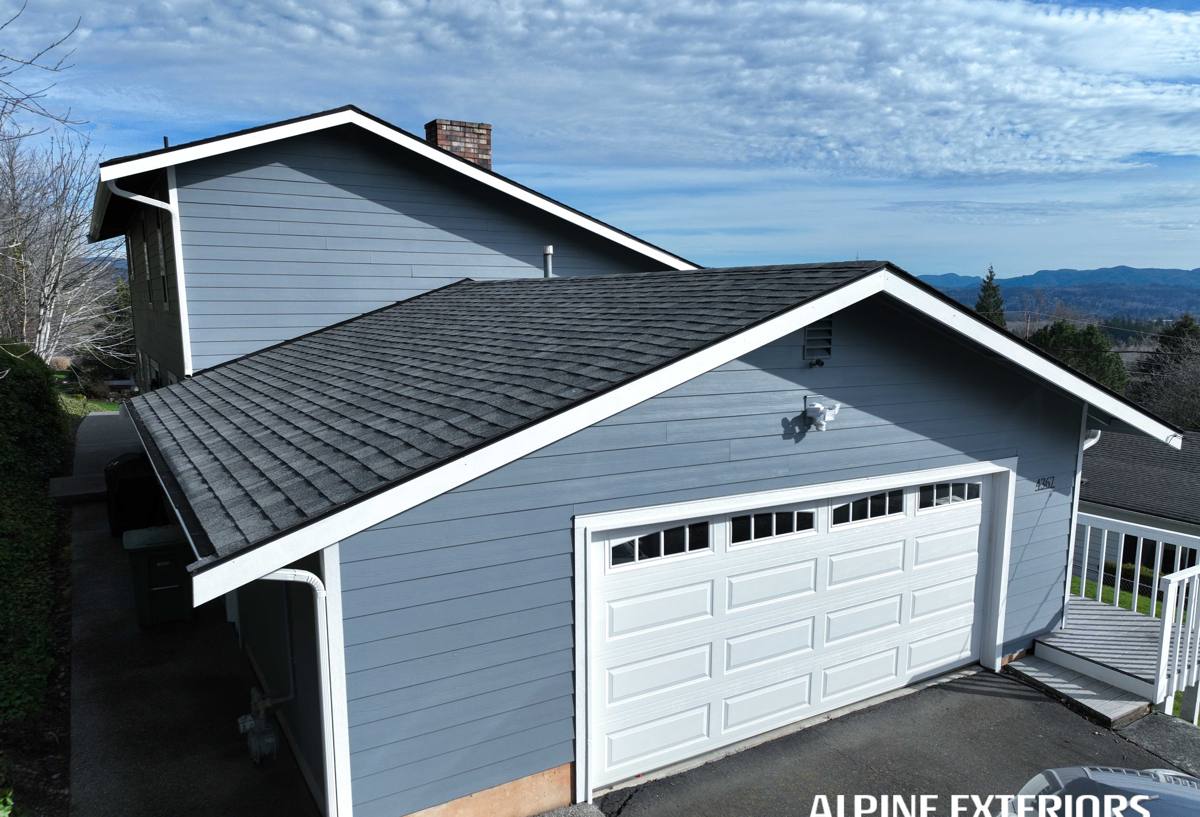
Why Local Climate Matters More Than the Shingle Brand
Homeowners often start by asking which shingle brand is "best." That's a reasonable question, but on Beacon Hill the bigger factor in roof lifespan is almost always installation quality and ventilation, not brand alone. Three climate realities drive most of the roofing problems we see in this part of Seattle:
- Driving rain: Beacon Hill's elevation and open exposure mean wind can push rain sideways during winter storms, which stresses shingle edges, ridge caps, and any flashing that wasn't sealed with wind-driven moisture in mind.
- Extended moss season: Cool, damp conditions for much of the year let moss and algae establish quickly on north-facing slopes and shaded sections of roof, especially near overhanging trees common on older Beacon Hill lots.
- Salt-influenced air: Proximity to Puget Sound means metal components — flashing, fasteners, vents — are exposed to more corrosive air than an inland roof would see, which affects what hardware we specify.
None of these factors are unique to Beacon Hill, but together they add up to a roofing environment that rewards careful, climate-specific work over a generic install.
What a Correct Asphalt Shingle Job Involves Here
Underlayment and Water Protection
In a region with this much annual rainfall, the underlayment layer matters as much as the shingles themselves. We use synthetic underlayment as the primary water barrier and install self-adhered ice-and-water membrane at the vulnerable points — eaves, valleys, and roof-to-wall transitions — where wind-driven rain is most likely to find a way underneath the shingle field. On a home with any low-slope sections or complex rooflines, which is common on Beacon Hill's mix of older bungalows and additions, these membrane details are often the difference between a roof that stays dry and one that develops slow, hidden leaks.
Ventilation
Proper attic ventilation is not optional in Seattle's climate. Without balanced intake and exhaust airflow, moisture from daily living gets trapped in the attic, condenses against the roof deck, and creates conditions for rot and mold — separate from any leak issue entirely. We check and correct ventilation as part of every re-roof, because a shingle roof installed over a poorly ventilated attic will underperform its expected lifespan regardless of how good the shingles are.
Flashing
Flashing around chimneys, skylights, dormers, and sidewalls is where most roof leaks actually originate — far more often than shingle failure itself. We replace flashing rather than reuse old pieces whenever a roof is torn off, and we use corrosion-resistant materials given the region's salt-influenced air near the Sound.
Fastening and Wind Resistance
Shingles rated for high wind exposure, installed with the correct nailing pattern, hold up far better against Beacon Hill's exposed-ridge wind gusts than a roof fastened to minimum spec. We follow manufacturer nailing patterns exactly, since improper fastening is one of the most common causes of premature shingle blow-off we're called to repair.
Our Process for a Beacon Hill Re-Roof
- On-site inspection: We walk the roof and attic, checking deck condition, ventilation, flashing points, and any signs of moss-related moisture damage before quoting anything.
- Honest scope and estimate: We explain what's actually needed — full tear-off versus repair, deck replacement if rot is found, ventilation corrections — so you're not guessing at what you're paying for.
- Tear-off and deck inspection: Old roofing comes off down to the deck, which is the only reliable way to catch hidden rot, especially under areas that have held moss or standing debris for years.
- Underlayment and membrane installation: Synthetic underlayment across the field, ice-and-water membrane at eaves, valleys, and penetrations.
- Flashing replacement: New flashing at all chimneys, walls, skylights, and valleys.
- Shingle installation: Installed to manufacturer spec for nailing pattern and exposure, with attention to proper ventilation components (ridge vents, intake vents) integrated into the system.
- Final walkthrough: We review the completed roof with you, including care and moss-prevention basics specific to your property's tree exposure and slope orientation.
Moss, Algae, and Maintenance on Beacon Hill Roofs
Moss is close to inevitable on shaded roof sections in this part of Seattle, but it doesn't have to shorten your roof's life if it's managed. Left unaddressed, moss holds moisture against the shingle surface, works into the granule layer, and can lift shingle edges over time. Zinc or copper strips near the ridge, installed at the time of a re-roof, provide ongoing suppression as rain washes trace metal down the roof slope. Beyond that, periodic gentle cleaning — never pressure washing, which strips protective granules — and keeping overhanging branches trimmed back go a long way. We're glad to walk through simple upkeep for your specific roof during an estimate, since shade patterns and tree cover vary a lot from block to block on the hill.
Comparing Shingle Options for This Climate
| Option | Typical Lifespan | How It Handles Beacon Hill Weather | Cost Position |
|---|---|---|---|
| 3-tab asphalt shingles | 15–20 years | Adequate but less wind resistance; lower cost entry option | Lowest |
| Architectural (laminate) shingles | 25–30 years | Better wind rating and moss/algae-resistant granule options available; our standard recommendation | Mid-range |
| Premium/designer shingles | 30+ years | Heaviest wind and impact ratings, longest warranty structures | Higher |
For most Beacon Hill homes, architectural shingles with algae-resistant granules strike the right balance between upfront cost and long-term performance given the moss and moisture exposure typical of this area. We'll walk through the honest trade-offs for your specific roof and budget rather than steering everyone toward the most expensive option.
Signs Your Beacon Hill Roof Needs Attention
- Granules collecting in gutters or downspouts, which signals shingle wear
- Visible moss buildup, especially on north-facing or shaded slopes
- Curling, cracked, or missing shingles after winter windstorms
- Dark streaking from algae growth
- Daylight visible through the attic roof deck, or damp insulation
- Sagging sections, which can indicate deck rot underneath
- Water stains on interior ceilings, particularly near chimneys or valleys
Catching these early usually means a repair instead of a full replacement, which is why we recommend a roof check-in every year or two, especially after a rough winter.
Repair Versus Replacement
Not every issue on a Beacon Hill roof means starting over. If the deck is sound, flashing is intact, and damage is isolated to a section of shingles, a targeted repair is often the right call and the more cost-effective one. Full replacement makes more sense when the roof is past two-thirds of its expected lifespan, when deck rot is found in multiple areas, or when repeated repairs in the same spots suggest an underlying ventilation or flashing problem rather than a shingle problem. We'll always tell you honestly which category your roof falls into rather than defaulting to the larger job.
Why Hire a Crew That Already Works This Neighborhood
A roofing crew that mostly works dry-climate jobs may not think twice about wind-driven rain details, moss-prevention strips, or the ventilation math that Seattle's damp climate demands. We work throughout King County and are familiar with the way Beacon Hill's elevation, tree cover, and older housing stock interact with our regional weather. That local familiarity shows up in the small decisions — where we add extra membrane, how we detail a valley, what fastening pattern we use for an exposed ridge — that determine whether a roof performs well for its full expected lifespan or starts leaking in year eight.
Get a Free, No-Pressure Estimate
If your Beacon Hill home needs a roof inspection, repair, or full asphalt shingle replacement, we're happy to take a look and give you a straightforward assessment — no pressure, no inflated scope. Use the form below to request a free estimate and we'll follow up to schedule a time that works for you.