 Seattle Exterior
 New Roof Installation Built for How Bellevue Actually Weathers
Bellevue sits in a stretch of King County where roofs get worked hard in ways that don't always show up until the damage is already done. Mature evergreen canopy shades entire blocks for most of the year, driving rain comes in sideways off frequent Pacific storms, and the marine air that moves through the Puget Sound region keeps everything just damp enough, long enough, for moss and algae to take hold. A roof that would hold up fine in a drier climate can start failing here years ahead of schedule if it wasn't installed with these conditions in mind.
New roof installation isn't just picking a shingle color and nailing it down. It's a system of underlayment, flashing, ventilation, and material choices that either work together to shed water and resist moss, or fight each other and shorten the roof's life. This page walks through what that looks like specifically for Bellevue homes, and what our crew does differently because we install roofs in this climate every week, not occasionally.
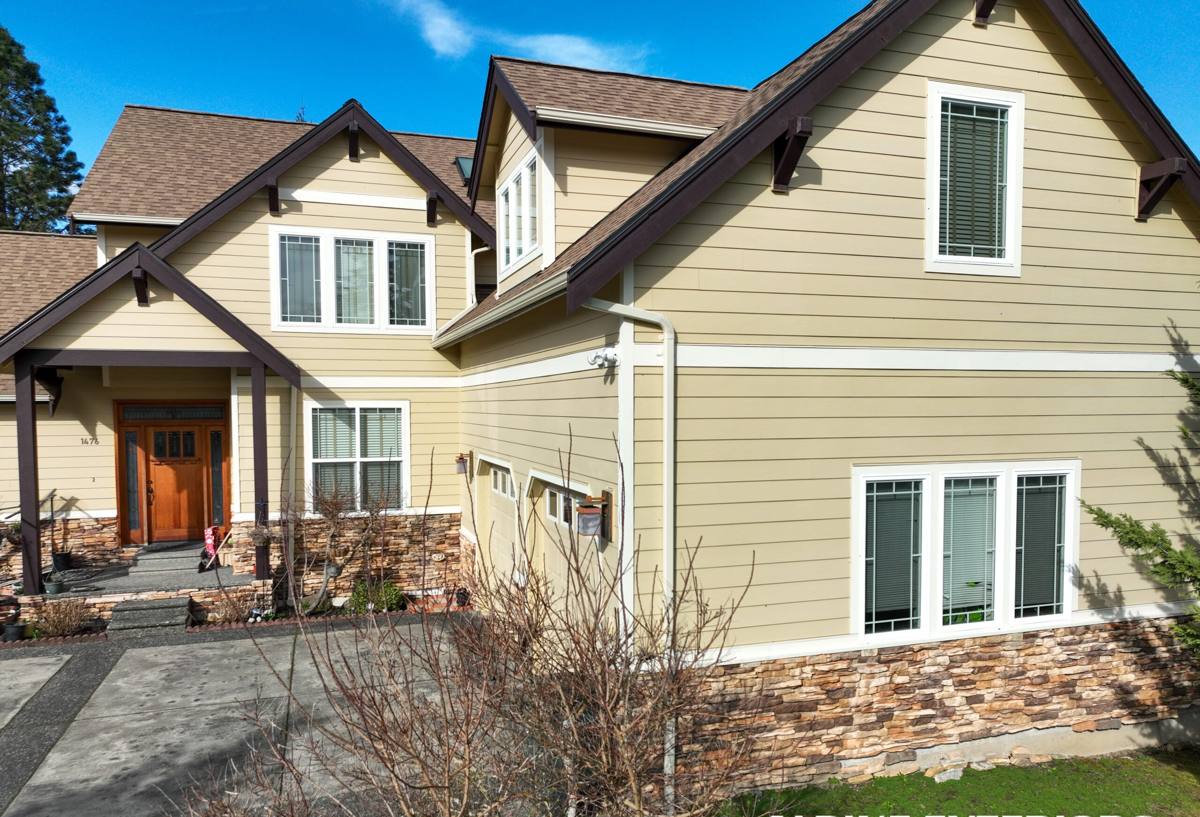
Signs a Bellevue Home Needs a New Roof, Not Another Patch
Every roof reaches a point where repairs stop being the honest answer. In our experience working this area, a few signs tend to show up together in Bellevue homes once a roof is past its useful life:
- Granule loss heavy enough that you're finding shingle grit collecting in gutters and at downspouts
- Moss and dark algae streaking that comes back within a season or two of cleaning, even after treatment
- Curling, cupping, or cracked shingles, especially on south and west-facing slopes that see the most sun and heat cycling
- Soft spots or sagging in the roof deck, which usually means moisture has already reached the plywood or OSB underneath
- Daylight visible through the attic, or water stains on interior ceilings after a heavy rain event
- A roof that's simply reached the end of its manufacturer-rated lifespan, even if it looks okay from the ground
If a roof is only showing one or two of these and the deck underneath is still sound, targeted repair can be the right call. Once several of these stack up, patching becomes a short-term fix on a roof that's already telling you it's done.
What a Correct New Roof Installation Actually Involves
Tear-Off and Deck Inspection
We remove the old roofing down to the deck rather than layering over it. That's the only way to actually see what condition the plywood or OSB sheathing is in. In this climate, deck rot around chimneys, valleys, and eaves is common enough that we plan for the possibility of replacing sections of sheathing, not just assume the old deck is fine because the shingles above it looked okay.
Underlayment and Moisture Barrier
This is where a lot of the real weather resistance actually lives, and it's invisible once the job is done. We use synthetic underlayment across the field of the roof and self-adhered ice-and-water membrane at eaves, valleys, and any roof-to-wall transitions — the spots where wind-driven rain most often finds a way in. Given how much sideways rain this region sees during winter storms, skimping here is one of the most common ways a "new" roof still ends up leaking.
Flashing Details
Chimneys, skylights, plumbing vents, and dormer walls all need step flashing, counter-flashing, or pipe boots installed correctly, not just caulked over. Caulk fails; properly lapped flashing doesn't rely on adhesive to keep water out. This is one of the areas where corners get cut on lower-quality installs, and it's usually where the first leaks show up.
Ventilation
Bellevue attics need a balance of intake and exhaust ventilation to manage moisture and temperature. Get it wrong and you invite condensation in winter and premature shingle aging in summer, along with higher risk of ice damming during cold snaps. We size and place vents based on the attic's actual square footage and existing intake, not a one-size-fits-all vent count.
Choosing the Right Roofing Material for a Bellevue Property
There's no single "best" roofing material — the right choice depends on your home's exposure, your budget, your roof's pitch, and how much long-term maintenance you're willing to stay on top of. Here's how the common options compare for a home dealing with regular rain, shade, and moss pressure:
| Material | Typical Lifespan | Moss/Moisture Resistance | Maintenance Level | Relative Cost |
|---|---|---|---|---|
| Architectural asphalt shingle | 25–30 years | Good with algae-resistant granules | Low to moderate | $$ |
| Standard 3-tab shingle | 15–20 years | Fair | Moderate | $ |
| Standing seam metal | 40–50+ years | Excellent — sheds moss and debris well | Low | $$$$ |
| Composite/synthetic shake | 30–50 years | Good, engineered for wet climates | Low | $$$ |
| Cedar shake | 20–30 years with upkeep | Requires ongoing treatment in shaded, damp areas | High | $$$ |
For shaded, tree-heavy lots that hold moisture longer, we generally steer homeowners toward architectural shingles with algae-resistant copper-infused granules, standing seam metal, or composite shake. Cedar can still look great, but on a low-sun, high-shade Bellevue lot it demands a maintenance commitment — periodic cleaning and treatment — that a lot of owners underestimate when they first choose it. We'll walk through the honest trade-offs for your specific roof rather than push one product across the board.
Our Process, Start to Finish
- Roof assessment — we inspect the deck, flashing, ventilation, and any problem areas, and take measurements for an accurate estimate
- Written estimate — clear scope of work and material options, no vague allowances or surprise add-ons buried in the fine print
- Scheduling — we plan around weather windows, which matters more here than in drier regions, and communicate timing before the crew shows up
- Tear-off and disposal — old roofing removed and hauled off, deck inspected and repaired as needed
- Installation — underlayment, flashing, ventilation, and roofing material installed to manufacturer specification
- Final walkthrough — we inspect the finished roof, clean up the property including magnetic nail sweeps, and go over warranty paperwork
Permits, Codes, and HOA Considerations in Bellevue
A full roof replacement in Bellevue typically requires a building permit through the city, and inspections are part of the process on most reroofing jobs, particularly when sheathing is replaced or roofing material type changes. We handle the permit application and coordinate inspections as part of the job, so you're not the one chasing down paperwork or scheduling city inspectors.
If your property is part of a homeowners association, many Bellevue HOAs have guidelines around approved roofing colors or materials, especially in planned communities. We're happy to provide spec sheets or samples you can submit for HOA approval before work begins — it's a lot cheaper to get that sign-off up front than to deal with it after the roof is on.
Moss, Debris, and Keeping a New Roof Healthy Long-Term
A correctly installed roof in Bellevue still needs some seasonal attention, mainly because of the tree canopy so many properties here sit under. Pine needles, leaves, and moss spores collect in valleys and behind chimneys, and if they're left to sit through a wet winter they hold moisture against the roofing material longer than it's designed to handle. A little routine care goes a long way toward getting the full lifespan out of a new roof:
- Clear debris from valleys, behind chimneys, and off the roof surface once or twice a year, especially after fall leaf drop
- Keep gutters clean so water isn't backing up under the eaves during heavy rain
- Trim overhanging branches back where practical to reduce shade and debris load on the roof
- Address moss growth early with proper treatment rather than pressure washing, which can strip granules and shorten shingle life
- Schedule a quick visual inspection every year or two, particularly after any major windstorm
Why It Matters to Hire a Crew That Already Works Bellevue
A lot of roofing problems we get called out to fix started as a decent installation that just wasn't specced for this climate — underlayment that was adequate but not built for driving rain, ventilation that didn't account for a shaded lot, or a material choice that looked fine in a catalog but wasn't suited to a moss-prone roof. A crew that installs roofs across King County regularly has already seen how different products and details actually hold up here over years, not just on paper.
That local track record shows up in the small decisions — how much ice-and-water shield to run, where extra flashing earns its keep, which materials are worth the upgrade on a shaded lot and which aren't. It's the difference between a roof that looks right on installation day and one that's still performing well a decade of Pacific Northwest winters later.
If your roof in Bellevue is showing its age, or you just want an honest read on whether repair or replacement makes sense, we're glad to come take a look. Reach out for a free, no-pressure estimate using the form below.