 Seattle Exterior
 Board & Batten in a Wallingford Context
Wallingford is one of Seattle's older, tighter-knit neighborhoods, with a housing stock heavy on craftsman bungalows, foursquares, and a good number of remodeled or infilled homes that lean into clean, vertical siding lines. Board and batten shows up often here because it does two things well: it reads as a traditional Pacific Northwest exterior, and it gives a home a crisp, linear look that works on both a century-old bungalow and a newer infill build. It's a style choice as much as a technical one, but the technical part is where most board and batten jobs in this climate go right or wrong.
We install board and batten exclusively in James Hardie fiber cement. That's not a marketing line — it's a standard we hold across every job in King County, and Wallingford's mix of mature tree canopy, close-set lots, and damp shoulder seasons is exactly the kind of environment where the material choice behind a board and batten wall matters more than the look of it.
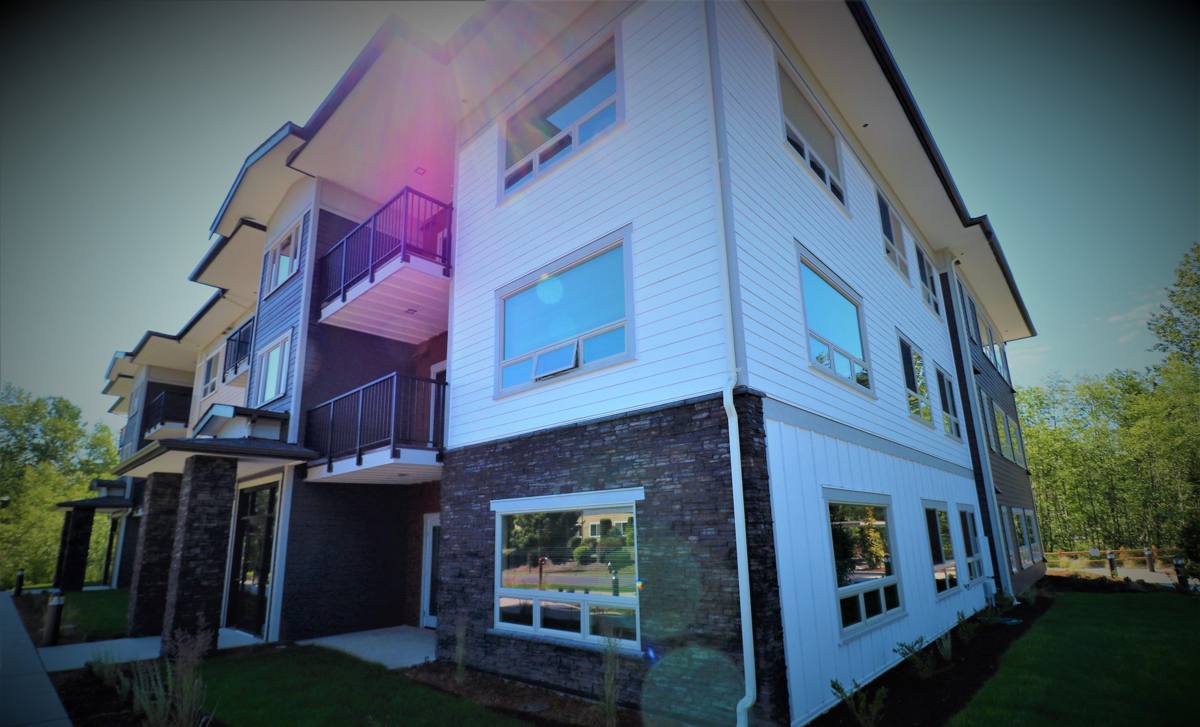
What Seattle's Climate Does to Vertical Siding
Board and batten has more seams than lap siding — every batten covers a joint, and every joint is a place water can find its way behind the cladding if it isn't detailed correctly. In a climate like ours, that matters more than it would somewhere dry.
Driving Rain
Seattle doesn't get the heaviest rainfall totals in the country, but it gets long stretches of wind-driven rain off the Sound, and board and batten's vertical battens can channel water downward along the same lines that make the style attractive. Correct batten spacing, fastening, and back-priming keep that water moving off the wall instead of into it.
Moss and Persistent Moisture
King County's long, mild, wet season is ideal moss-growing weather, especially on north- and shade-facing walls under mature trees — common in a leafy neighborhood like Wallingford. Moss holds moisture against a wall far longer than open air does, which is hard on paint film, caulk joints, and any wood-based siding underneath it.
Marine Air
Homes closer to Puget Sound and Lake Union pick up salt-laden marine air that accelerates corrosion on exposed fasteners and metal flashing. It's a slower process than direct coastal exposure, but over 15–20 years it separates siding systems that were detailed with corrosion-resistant hardware from ones that weren't.
Why We Only Install James Hardie for This Style
Board and batten can be built from several materials — cedar, engineered wood like LP SmartSide, vinyl panel systems, or fiber cement. We don't install the first three, and it's worth explaining why in the context of this specific style rather than in the abstract.
Cedar board and batten looks beautiful new, but it's the material most exposed to Seattle's moss and rain cycle — it needs re-staining or re-painting on a tight schedule, and the battens themselves are a prime spot for rot to start if maintenance slips even one season. Engineered wood products use a different resin and treatment approach than solid wood, which helps, but they're still wood-based at the core and carry manufacturer moisture-exposure limits that a shaded, rain-heavy Wallingford lot can push right up against. Vinyl board and batten is low-maintenance but it's a surface-applied look rather than a true dimensional siding system, and it doesn't hold paint if a homeowner ever wants to change the color down the road.
James Hardie fiber cement is cement, sand, and cellulose fiber — non-combustible, dimensionally stable, and engineered specifically for the Pacific Northwest through Hardie's HZ5 product line. It doesn't absorb water the way wood does, it doesn't require repainting on the schedule cedar does, and the ColorPlus factory finish is baked on and warranted separately from the substrate. For a style built almost entirely around vertical seams, starting with a substrate that doesn't swell, cup, or rot at those seams is the whole ballgame.
How We Build the Look
There are two common ways to achieve board and batten with James Hardie, and we choose based on the home:
- HardiePanel vertical siding with applied battens — a large-format fiber cement panel installed vertically, with cedar-look Hardie trim battens fastened over the panel joints. This is the traditional board and batten build-up and the one most Wallingford homes call for.
- Hardie Artisan or trim-and-panel combinations — used selectively on accent walls, gables, or entry features where a slightly different reveal or profile fits the architecture.
Either way, the panel is a true weather-resistive substrate, not a decorative skin — the battens are structural trim fastened through to framing or sheathing, not glued-on strips.
What a Correct Installation Actually Involves
Board and batten hides more of its workmanship than lap siding does — a bad lap job shows as visible waviness, but a bad board and batten job often looks fine for a few years before the moisture problems it created start showing up as staining, soft spots, or paint failure at the battens. The parts that matter happen before the first panel goes up.
Weather-Resistive Barrier and Drainage Plane
Every wall gets a code-compliant weather-resistive barrier, and on a shaded or moisture-prone elevation we'll typically build in a drainage gap so any water that does get past the cladding has somewhere to go rather than sitting against the sheathing.
Flashing at Every Penetration
Window and door openings, hose bibs, light fixtures, and vents all need proper flashing integration before siding closes over them. On a vertical system like board and batten, horizontal flashing details at window heads and sills are especially important because they interrupt the downward water path the battens create.
Fastening and Batten Spacing
Hardie specifies fastener type, spacing, and edge distance for a reason — under-fastened or improperly spaced battens are the most common board and batten failure point we see on inspection of other contractors' work. Battens are fastened to solid backing, not just through the panel into air.
Caulking and Sealant
Fiber cement needs sealant only at specific joints per manufacturer spec — not everywhere, and not nowhere. Over-caulking traps moisture just as badly as under-caulking lets it in.
Comparing Board & Batten Materials for a Wallingford Home
| Material | Moisture Behavior in Our Climate | Maintenance | Typical Lifespan Here |
|---|---|---|---|
| James Hardie fiber cement | Does not absorb water like wood; engineered for PNW moisture exposure | Occasional wash; factory finish, no repainting cycle | 30+ years to substrate failure, with proper install |
| Cedar | Absorbs and releases moisture; prone to cupping and rot at battens | Re-stain/repaint every 3–7 years | 15–25 years before major repair or replacement |
| Engineered wood (LP SmartSide) | Treated substrate, but still wood-based; sensitive to sustained moisture | Repainting on a set cycle; edge sealing required | 20–25 years, dependent on maintenance discipline |
| Vinyl panel systems | Won't rot, but can trap moisture behind panel; not a true dimensional system | Low; but cannot be repainted a different color | 20–30 years, appearance fades with UV exposure |
This isn't a claim that the other materials are unusable — it's why, after years of repair calls on wood and engineered-wood board and batten in wet, shaded Seattle lots, we standardized on Hardie and stopped installing the alternatives.
Our Process on a Wallingford Job
Wallingford's older housing stock means a lot of our board and batten work is a full re-side rather than new construction — which means what's under the existing siding matters as much as what goes back on.
- On-site walk to assess existing siding, sheathing condition, and any moss or moisture staining before quoting
- Removal of old siding and inspection of sheathing for rot, especially at grade lines and under overhangs where trees limit sun exposure
- Repair or replacement of any compromised sheathing before new weather-resistive barrier goes on
- Proper flashing integration at all windows, doors, and penetrations
- James Hardie panel installation per manufacturer fastening and batten-spacing specification
- Final caulking at manufacturer-specified joints only, plus a walk-through with the homeowner
Why Hiring a Crew That Knows Wallingford Matters
A crew that works Seattle neighborhoods regularly already knows what a Wallingford lot tends to throw at a siding job — shaded north walls under established trees, tight side-yard setbacks that limit scaffolding and staging, older sheathing that may need more repair than a newer build, and permit expectations from Seattle's building department. That familiarity shows up in fewer surprises mid-job and a more accurate quote up front, rather than change orders once the old siding comes off and hidden damage turns up.
Warranty and Long-Term Care
James Hardie backs its fiber cement products with a non-prorated limited warranty on the substrate, and ColorPlus factory-finished products carry a separate finish warranty covering fading and peeling — both transferable to a future owner, which matters if you're doing this work with resale in mind as much as your own use of the home. On our end, workmanship is covered separately from the manufacturer's material warranty, and we'll walk you through exactly what each one covers before work starts.
Ongoing care is minimal: an annual rinse to keep moss and organic buildup from taking hold, especially on shaded elevations, and a visual check of caulk joints every few years. That's a much lighter lift than the recurring repaint cycle wood and engineered-wood siding demand in this climate.
If you're weighing board and batten for a home in Wallingford, we're glad to walk the property, look at what's under the existing siding, and give you a straight answer on scope and cost — no pressure, no upsell. Use the form below to request a free estimate.