 Seattle Exterior
 Decks Built for University District's Wet, Shaded Lots
A deck in University District has to do more work than a deck almost anywhere drier. Between the rain that settles in for months at a time, the shade thrown by mature street trees and tall neighboring homes, and the salt-tinged air drifting in off Puget Sound, this is one of the tougher climates in the country to build outdoor living space that actually lasts. We build custom decks specifically with those conditions in mind, not with a generic spec sheet borrowed from a drier region of the country.
This page is about one job in one neighborhood: custom deck construction for homes in and around University District, in the City of Seattle, King County. If you're weighing whether to repair an aging deck or replace it, or you're planning a new deck from scratch, here's what we think you should know before you sign a contract with anyone.
What Seattle Rain and Moss Actually Do to a Deck
Seattle's wet season isn't just about total rainfall — it's about how many months the wood stays damp without a real chance to dry out. University District's tree cover and close-set housing make shade even more persistent on many lots, which means moisture sits on deck boards and framing longer than it would in full sun. That combination is what drives moss, algae, and mold growth, and it's also what accelerates wood rot in places builders don't always think to protect.
The parts of a deck most at risk aren't usually the visible boards — those get walked on, seen, and eventually replaced. The real damage happens underneath and behind: the ledger board where the deck bolts to the house, the tops of posts and joists where water pools, and any spot where two pieces of wood touch and trap moisture between them. A deck can look fine on the surface for years while the structure underneath is quietly failing.
Add in a long moss season — moss doesn't just make boards slippery, its root structure holds moisture against the wood surface and can work into seams and fastener holes over time — and you have a climate that rewards careful building and regular maintenance, and punishes shortcuts fast.
Salt Air and Metal Fatigue
Because University District sits within reach of the marine air moving in from the Sound, metal hardware corrodes faster here than it would inland. Standard fasteners that might last two decades in a dry climate can start rusting and weakening well ahead of schedule near Seattle. This is one of the most overlooked factors in deck longevity, and it's one we build around from the first fastener we drive.
The Housing Stock Around University District
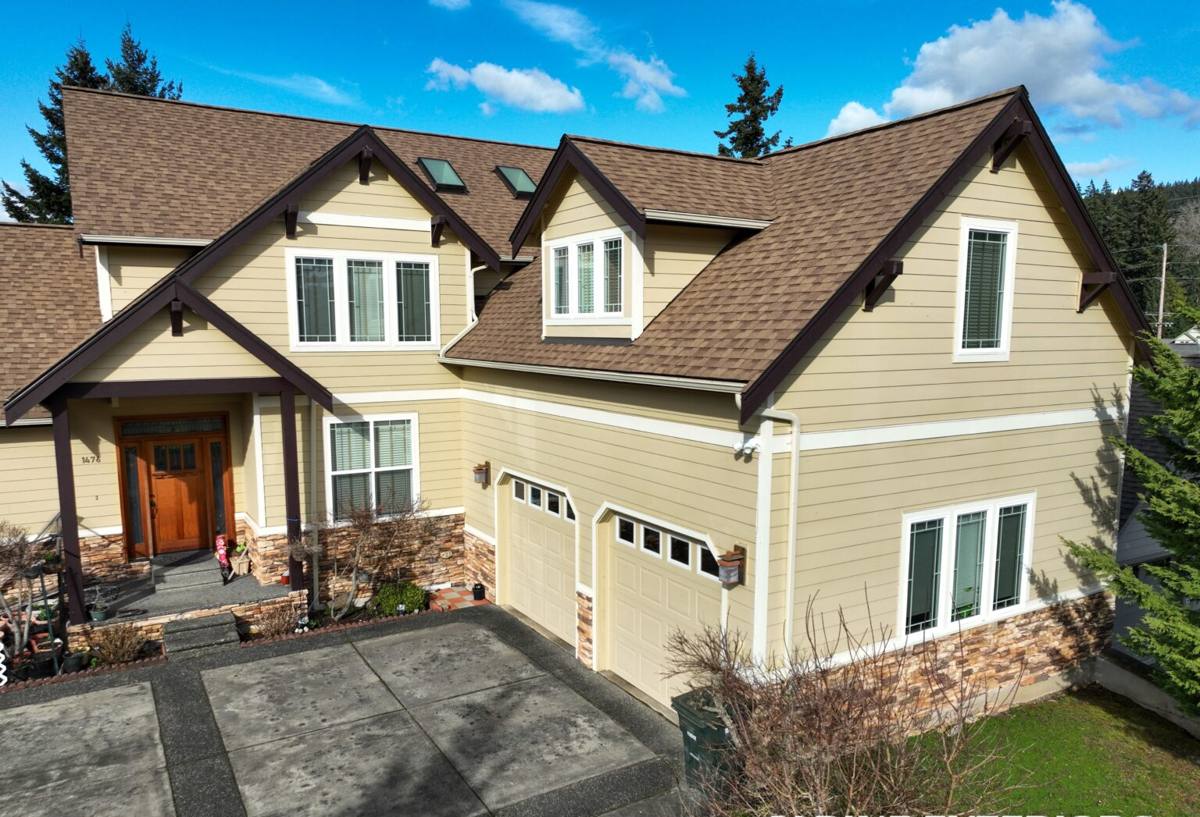
University District has a lot of early-to-mid-1900s craftsman and Tudor-style homes, along with denser multi-family buildings serving the population around the University of Washington. Many of the single-family homes here have older, narrower lots, and decks that were added or rebuilt at some point rather than designed in from the start.
What that means in practice: older ledger board attachments that predate current flashing standards, decks tied into siding or trim that wasn't built to be waterproofed around a deck connection, and in some cases framing that was undersized for today's expected loads. When we're asked to replace an existing deck in this neighborhood, we almost always find that the ledger connection — the single most important structural and waterproofing detail on any attached deck — was done without proper flashing, or with the wrong flashing for the siding type.
None of this is a knock on whoever built it originally. Codes and best practices around deck ledger flashing have tightened significantly over the past couple of decades, largely because of exactly the kind of failures a wet climate like ours produces. It just means an older University District deck deserves a real inspection, not an assumption that "it's held up this long, it'll keep holding."
What a Correctly Built Deck Requires
A deck that's going to hold up through Seattle winters for decades needs a handful of details done right, in this order of importance:
Ledger Board Attachment and Flashing
Where the deck bolts to the house is the single point most likely to cause a structural failure if it's done wrong, because it's also the point most exposed to water running down the siding. Correct construction means through-bolting (not just lag screws in most cases), proper structural connectors, and flashing that's integrated with the house's water-resistive barrier so water is directed away from the framing rather than trapped against it.
Fasteners and Hardware
Modern pressure-treated lumber uses chemical preservatives that are corrosive to standard galvanized steel. In a marine climate like ours, that corrosion happens faster. We use fasteners and structural connectors rated for both the treated lumber chemistry and coastal exposure — typically hot-dip galvanized or stainless steel, matched to the manufacturer's specification for the treated lumber being used. Mismatched hardware is a slow, invisible failure that shows up as rust streaks long before anyone notices the actual weakening underneath.
Footings and Frost Depth
King County's frost depth requirements and Seattle's soil conditions — often clay-heavy, sometimes compromised by tree roots on older lots — mean footings need to be sized and set correctly for the specific site, not just poured to a minimum. On sloped or tree-root-heavy University District lots, this sometimes takes more thought than a standard flat-yard installation.
Airflow and Drainage
Board spacing, joist spacing, and the grading underneath the deck all affect how fast the structure dries out after rain. A deck built too tight to the ground, or without enough gap between boards, holds moisture longer and grows moss faster. Getting this right is a design decision made before a single board goes down, not something you can fix afterward.
| Decking Material | Upfront Cost | PNW Moisture Behavior | Moss/Algae Maintenance | Typical Lifespan Here |
|---|---|---|---|---|
| Cedar | Mid | Naturally rot-resistant, but needs sealing to hold up | Regular cleaning and re-sealing needed in shaded spots | 15-20 years with upkeep |
| Pressure-Treated Fir/Hem-Fir | Lowest | Resists rot when properly fastened and sealed | Prone to moss in shade without periodic cleaning | 15-25 years with upkeep |
| Composite | Highest | Doesn't absorb water or rot, but can trap surface moisture | Still needs occasional washing to prevent surface algae | 25-30+ years, varies by brand warranty |
None of these materials is a "set it and forget it" answer in our climate — every option here needs some level of ongoing care. The right choice usually comes down to how much maintenance a homeowner wants to take on versus how much they want to spend up front, and we walk through that trade-off honestly during design, without pushing a particular product because it's easier for us to install.
Permits and Inspections in Seattle
When You Need a Permit
Most new decks and significant deck rebuilds in Seattle require a permit through the city, particularly once you're above a certain height off grade or attaching new structure to the house. Requirements can vary based on deck size, height, and whether it's a repair versus a full replacement. We handle the permit application and coordination as part of the job rather than leaving it to the homeowner to figure out.
Inspection Points
City inspectors typically want to see the footings before they're covered, the ledger connection and flashing before decking goes down, and a final inspection once the structure and railings are complete. Building to pass these inspections isn't extra work — it's the same standard of construction a well-built deck should meet regardless of whether anyone's checking, which is why we build to it on every job.
Our Process, Start to Finish
- Site visit and assessment — we look at your existing deck or the space where a new one is planned, check drainage, shade patterns, and access, and talk through what you actually want to use the space for.
- Design and material selection — layout, railing style, and material choice, with honest trade-offs explained rather than a single default recommendation.
- Permitting — we prepare and submit what the City of Seattle requires for your specific project.
- Construction — footings, framing, ledger attachment and flashing, decking, and railings, built in that order with attention to the details that don't show up in a quick walk-through.
- Inspections — coordinated at the points the city requires, built into the schedule rather than treated as an afterthought.
- Final walkthrough — we go over the finished deck with you, including what maintenance it needs and when.
Maintaining Your New Deck Through Moss Season
A well-built deck in this climate still needs seasonal attention — the construction quality determines how forgiving it is of gaps in that upkeep, not whether upkeep is needed at all. Here's a practical checklist for keeping a University District deck in good shape year-round:
- Sweep leaves and debris off the deck surface regularly in fall, especially in shaded corners where they trap moisture against the boards.
- Clean visible moss and algae buildup at least once a year, before it has a chance to work into board seams — earlier if your lot is heavily shaded.
- Check the gap under the deck for standing water or blocked drainage after heavy rain events.
- Inspect fastener heads and structural hardware periodically for rust streaks, which can signal mismatched or failing hardware.
- Re-seal wood decking (cedar or treated lumber) on the schedule recommended for the product — skipping this is the single fastest way to shorten a wood deck's life here.
- Have the ledger connection and any flashing checked if you notice water staining on the siding above or around the deck attachment.
Why a Crew That Already Works University District Matters
A contractor who builds decks all over the country, or even all over Washington, doesn't necessarily know the specific realities of this neighborhood — the older housing stock, the tree canopy and shade patterns, the soil conditions on sloped or root-heavy lots, or how Seattle's permitting and inspection process actually runs in practice. A crew that regularly works in University District and the surrounding Seattle neighborhoods has already solved these problems on jobs like yours, and builds in the fixes from the start instead of learning them at your expense.
We'd rather spend an extra hour on a ledger detail or a footing depth than come back in five years to fix rot that a driving rain climate made inevitable because of a shortcut. That's the standard we hold every deck we build in Seattle to, University District included.
If you're thinking about a new deck or need an honest assessment of one you already have, we're happy to take a look and give you a straightforward estimate — no pressure, no obligation. Use the form below to get started.