 Seattle Exterior
 Windows Built for How Redmond Actually Weathers
Redmond sits in the wetter, greener half of King County, and its housing stock reflects decades of Pacific Northwest weather doing what it does: soaking wood, feeding moss, and finding every gap in a window frame that wasn't sealed right the first time. Whether your home is an older build near Downtown Park with original wood-frame windows or a newer place out toward Education Hill, the windows are one of the first things to show wear from our long wet season.
Custom windows aren't just about matching an odd-sized opening. In this climate, "custom" also means matching the right frame material, glazing, and flashing detail to a house that spends a good chunk of the year under steady rain, humidity, and shade from mature tree cover. Get that match wrong and you're looking at fogged glass, soft framing, or moss creeping across the sill within a few seasons.
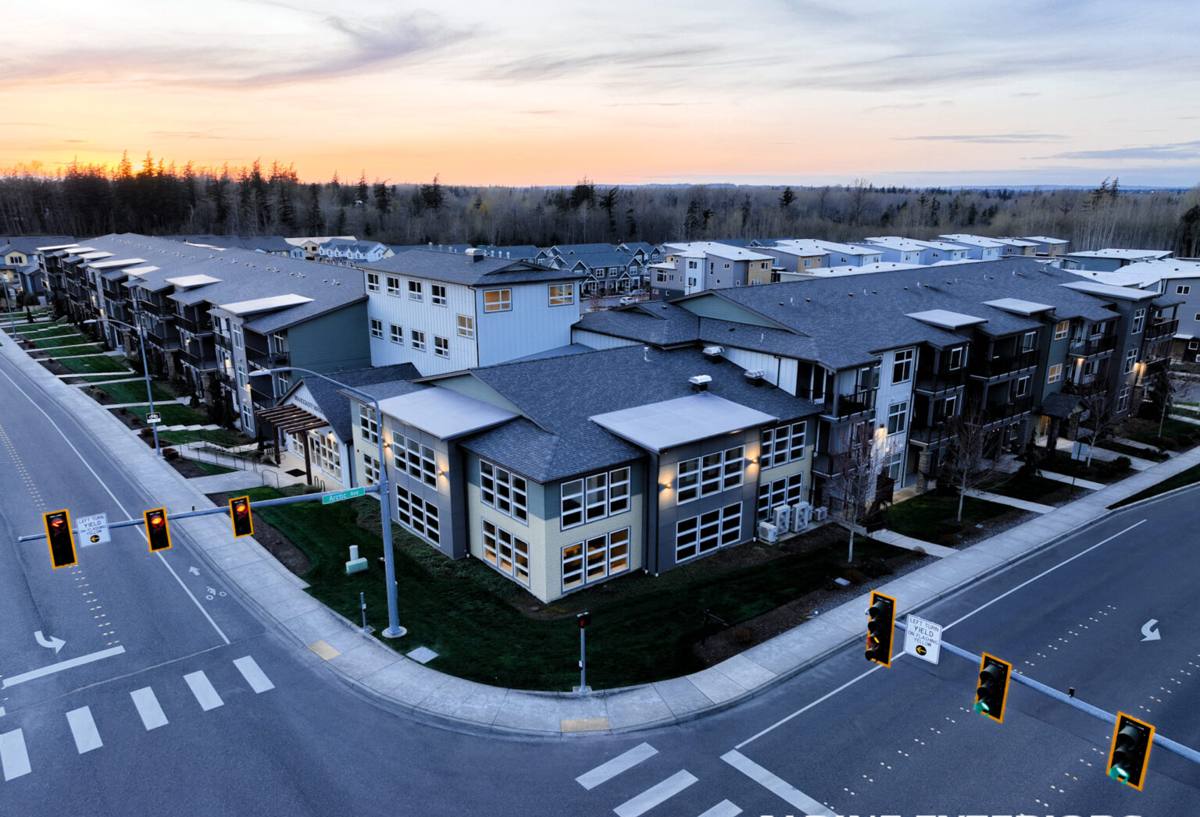
What Redmond's Climate Does to Windows Over Time
Western Washington's marine climate is mild, which is part of why people love it here — but mild doesn't mean gentle on building materials. A few things we see consistently on Redmond homes:
- Driving rain during fall and winter storms pushes water sideways into frame joints and under poorly sealed trim, not just straight down.
- Extended damp periods keep wood moisture content elevated for weeks at a time, which is what actually causes rot — sustained dampness, not a single storm.
- Shaded, north-facing walls under tree canopy stay cool and moist long after the rest of the house has dried out, which is exactly where moss and algae take hold on sills and cladding.
- Condensation on interior glass in cooler months, especially in older single-pane or poorly sealed double-pane windows, which points to both glazing performance and household humidity.
None of this is unique to any one house — it's the baseline for the Puget Sound region. The difference between a window that holds up and one that doesn't usually comes down to frame material, glazing spec, and installation detail, not luck.
Choosing the Right Frame Material for This Climate
We get asked to compare materials on nearly every custom window job. There's no single right answer for every house, but there are real trade-offs worth knowing before you decide.
| Material | How it handles our wet climate | Maintenance | Good fit for |
|---|---|---|---|
| Vinyl | Won't rot or corrode; consistent performance in damp conditions | Low — occasional cleaning | Budget-conscious replacements, rental properties, most standard openings |
| Fiberglass | Very stable in temperature and moisture swings; holds paint well | Low to moderate | Larger openings, custom shapes, homeowners wanting a longer-term investment |
| Wood-clad | Interior wood warmth with an exterior shell protecting from rain; cladding integrity is critical | Moderate — depends on cladding condition | Historic or traditional-style homes where interior wood look matters |
| Solid wood | Most vulnerable to our rain and humidity without diligent upkeep | High — regular painting/sealing required | Restoration projects where original character is the priority, with owner committed to upkeep |
We're upfront about solid wood: it can look great, but it demands a maintenance schedule most homeowners underestimate in a climate this wet. If you want the wood look with far less upkeep risk, wood-clad or a well-detailed fiberglass unit gets you most of the way there without the same exposure.
Glazing and Glass Package
For Redmond's mix of rainy winters and warm, sun-exposed summer afternoons, we typically recommend double-pane units with low-E coatings and argon fill as the baseline, with the specific coating tuned to which direction the window faces. South- and west-facing windows benefit from solar control coatings to manage summer heat gain; north-facing windows are more about minimizing heat loss and interior condensation risk during the coldest, dampest stretches of the year.
What "Custom" Actually Involves
Custom windows come up in a few different scenarios, and the right approach depends on which one you're in:
Non-standard openings
Many Redmond homes, especially those built or added onto over several decades, have openings that don't match current standard sizes. Bay windows, oddly proportioned openings from past additions, or architectural shapes all require exact field measurement and units built to that specific opening rather than trimmed down from stock sizes.
Retrofit vs. full-frame replacement
Retrofit (insert) replacement reuses the existing frame and is faster and less invasive, but it only works if that existing frame is sound and dry. Full-frame replacement removes everything down to the rough opening, which is more work but is the right call when there's any sign of moisture damage behind the trim — something we check for on every estimate rather than assuming the frame is fine.
Egress and code requirements
Bedroom windows have minimum opening size and sill height requirements under the building code the City of Redmond enforces. If you're changing window size or type in a sleeping room, this needs to be part of the plan from the start, not an afterthought after the unit is ordered.
Why Installation Detail Matters More Than the Window Itself
A high-quality window installed with poor flashing will leak. A mid-grade window installed correctly, with proper flashing and sealant sequencing, will outperform it. In a climate that pushes rain sideways into wall assemblies, this isn't a minor point — it's the main reason window failures happen at all.
A correct installation, in order, generally includes:
- Removing the old unit and inspecting the rough opening and sill for hidden rot or water staining before anything new goes in.
- Repairing or replacing any damaged framing or sheathing found during that inspection — not covering it up.
- Installing sill pan flashing to direct any water that gets past the window back out, not into the wall.
- Setting the new window plumb, level, and square, then fastening per the manufacturer's specified pattern.
- Integrating window flanges with the house's weather-resistive barrier in the correct shingle-lap order (sides and top overlapping the barrier, sill pan under it) so water sheds outward at every layer.
- Sealing and backer-rodding joints with the appropriate exterior sealant, then finishing interior and exterior trim.
Skip or rush any one of these steps and you can end up with a window that looks fine for a year or two before water finds its way in behind the trim — often invisibly, until the damage is already significant.
Moss, Algae, and Long-Term Upkeep
Given how much shade and moisture Redmond's tree canopy provides, moss and algae growth on sills, trim, and nearby siding is common, especially on north- and east-facing walls. It's mostly cosmetic in the short term, but left unaddressed it holds moisture against the frame and trim, which shortens the life of caulking and painted surfaces. A simple annual rinse-down and inspection of sealant lines goes a long way toward keeping windows performing as long as they should.
A quick homeowner checklist for existing windows
- Check exterior caulk lines each fall for cracking or gaps before the rainy season sets in
- Look for soft or discolored wood trim around frames, a sign moisture is getting in
- Wipe down interior sills if you notice recurring condensation, and note which windows it happens on
- Clear moss or debris from sills and tracks so water can drain rather than pool
- Test that operable windows still seal and latch tightly — a loose latch often means a compressed or failing weatherstrip
Why a Crew That Works Redmond Regularly Makes a Difference
Window installation looks straightforward from the outside, but the details that keep water out — flashing sequence, sealant choice, how a new unit ties into existing siding or stucco — are exactly the details that vary by region and even by neighborhood age. A crew that installs windows across a wide range of climates doesn't always carry the specific habits this area rewards: extra attention to sill pan flashing, glazing choices suited to our shade and moisture patterns, and familiarity with the permitting process through the City of Redmond for anything beyond a like-for-like swap.
Working locally also means we're not guessing at what "normal" looks like for a Redmond house of a given age. We know what original wood-frame windows from certain build eras tend to look like once opened up, what kind of hidden moisture issues to expect behind older trim, and how to plan an install around King County's typical rain patterns rather than being caught off guard by them mid-project.
Getting Started
If you're dealing with drafty, foggy, or hard-to-operate windows, or you're planning a custom opening as part of a larger remodel, we're glad to take a look and walk you through what your specific house needs — no pressure, no upsell script. Reach out for a free estimate using the form below, and we'll go from there.