 Seattle Exterior
 Why Beacon Hill Decks Wear Out the Way They Do
Beacon Hill sits up on a ridge, and that elevation is part of what makes decks up here so popular — and part of what wears them down. Homes on the hill often catch more open sky and more wind-driven rain than houses tucked into lower, tree-sheltered blocks elsewhere in Seattle. Add in Puget Sound's salt-tinged air working on fasteners and hardware over the years, and you get a combination that's harder on outdoor structures than most homeowners expect when they first build or buy.
Then there's the shade problem. Beacon Hill has a lot of mature tree cover and older lots with established landscaping, which is great for privacy but terrible for a wood deck. Shaded, damp surfaces are exactly where moss and algae take hold, and King County's long, wet moss season — realistically October through April most years — gives it plenty of time to work into the wood grain, not just sit on top of it.
Put those two things together — exposure on the hillside and shade in the yard, depending on which side of the house your deck is on — and you get decks that can look fine from a distance while the structure underneath is quietly failing. That's the pattern we see most often on Beacon Hill: a deck that's been power-washed and re-stained a few times but never actually inspected underneath.
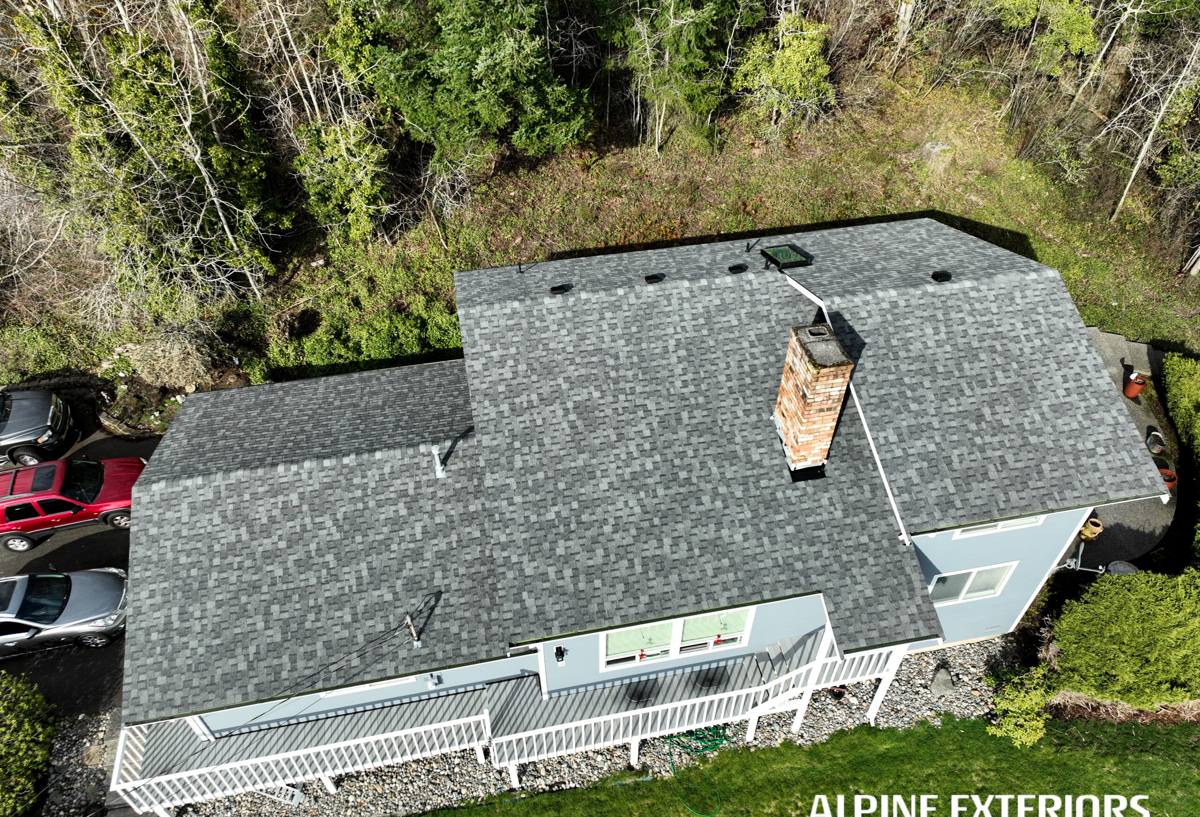
Repair or Replace? How We Tell the Difference
Not every tired-looking deck needs to come out. But there's a line between cosmetic wear and structural failure, and it's not always obvious from the surface. A few things push a deck from "repair candidate" to "replace it now":
- Soft or spongy spots in the decking boards, especially near the house or along the rim joist
- Rust streaks or corrosion around fasteners and metal hardware
- A ledger board (where the deck attaches to the house) that shows gaps, staining, or soft wood
- Posts or footings that have shifted, settled, or show visible rot at ground contact
- Railings that flex or wiggle when you lean on them
- A deck that's more than 20-25 years old and has never had the structure opened up for inspection
If it's mostly surface graying, a few loose boards, or worn fasteners, repair or a partial rebuild can make sense. But if the framing, ledger connection, or footings are compromised, patching the surface just buys a season or two before the same problems resurface — often worse, and often more expensive to fix once they've spread.
The Part Most Homeowners Never See
The ledger board and the footings do the real work of holding a deck up, and they're also the parts most exposed to trapped moisture. A deck can have brand-new decking boards on top and still be structurally unsound underneath if the ledger flashing was never installed correctly or the footings were undersized for the load. This is the single most common issue we find on older Beacon Hill decks — a previous resurfacing that addressed what was visible and left the actual problem in place.
What a Correct Deck Replacement Actually Involves
A full deck replacement isn't just tearing off old boards and nailing down new ones. Done right, it's a structural project with a specific order of operations:
1. Tear-Out and Structural Assessment
We remove the old decking, railing, and as much of the substructure as needed to see the framing, ledger, and footings clearly. This is where hidden rot, undersized framing, or code-deficient connections usually show up — and where the real scope of the job gets set.
2. Ledger and Flashing
The ledger board attachment is the most safety-critical connection on the whole deck, and it's also the part most likely to fail from years of Seattle rain working behind poorly flashed joints. We install proper flashing that sheds water away from the house rather than trapping it against the ledger.
3. Footings and Framing
Footings need to sit below frost depth and bear on undisturbed or properly compacted soil — something that matters on Beacon Hill's variable, hillside terrain more than on flat lots. Framing gets sized for the actual span and load, not just matched to whatever was there before.
4. Decking, Railing, and Fasteners
Whatever surface material you choose, the fasteners and hardware need to be rated for exterior, corrosion-prone environments — this is not a place to save money, especially this close to the Sound.
5. Final Inspection
Structural work like this requires permitting and inspection through the City of Seattle. We build to pass inspection the first time, not to get by until the inspector leaves.
Choosing a Decking Material for This Climate
There's no single "best" decking material — there's a best fit for how much maintenance you want to do and how the deck sits relative to sun, shade, and moisture. Here's how the common options actually compare for a Beacon Hill property:
| Material | Moisture & Moss Resistance | Maintenance | Typical Lifespan |
|---|---|---|---|
| Pressure-treated wood | Fair — needs consistent sealing to perform well | Annual cleaning and re-sealing recommended | 15-20 years with upkeep |
| Cedar | Good natural resistance, but still needs care in shaded spots | Periodic staining/sealing to maintain appearance | 15-25 years |
| Composite decking | Very good — doesn't absorb water like wood | Occasional washing; no staining or sealing | 25-30+ years, manufacturer-dependent |
| PVC decking | Excellent — fully synthetic, no wood fiber to hold moisture | Lowest maintenance of the group | 25-30+ years, manufacturer-dependent |
Composite and PVC decking cost more upfront but hold up noticeably better in shaded, damp yards where moss and mildew are a recurring fight with real wood. Wood decking costs less initially and has a warmer, more traditional look, but it only performs as well as its maintenance schedule — which is a fair trade-off for some homeowners and not for others. We'll walk through the honest pros and cons for your specific yard rather than push one product across the board.
Permits, Code, and Beacon Hill's Hillside Terrain
Most deck replacements in Seattle that involve structural changes — new footings, a rebuilt ledger connection, or a deck over a certain height — require a permit and inspection through the city. On Beacon Hill specifically, slope and grade come up more often than on flatter parts of the city; a deck stepped down a hillside or built with a walk-out lower level needs footings and posts engineered for that grade, not a flat-lot template.
Guardrail height, baluster spacing, and stair requirements are also code items that get checked, especially on elevated decks — common on this ridge given how many homes here are built to take advantage of the views. We handle the permit process and coordinate inspections as part of the job, so you're not the one tracking down paperwork.
Our Process, Start to Finish
- On-site evaluation: We look at the existing deck, the framing underneath where accessible, drainage around the footings, and how sun/shade patterns affect that particular yard.
- Honest scope and estimate: You get a clear picture of what's structural (non-negotiable) versus what's a material or design choice, with pricing that reflects the real scope — not a low-ball number that grows once work starts.
- Permitting: We pull the necessary permits and schedule inspections through the City of Seattle.
- Tear-out and rebuild: Old structure removed, new framing, ledger flashing, and footings installed to code.
- Decking, railing, and finish work: Installed per manufacturer specs to protect any material warranty.
- Final walkthrough: We go over the finished deck with you and confirm everything passed inspection.
Cost Factors Worth Understanding Before You Get Quotes
| Factor | Why It Moves the Price |
|---|---|
| Deck size and height | Elevated decks need more substantial framing, railing, and often stairs |
| Decking material | Composite and PVC cost more per square foot than pressure-treated wood upfront |
| Footing and structural condition | Rot or undersized footings found during tear-out add necessary work |
| Slope and access | Hillside lots can complicate equipment access and footing placement |
| Railing style | Cable, glass, or custom railing systems cost more than standard baluster railing |
| Permit and inspection scope | Larger structural changes mean more inspection steps built into the timeline |
We're not going to quote a number here that means nothing without seeing your specific deck — broad ranges without context tend to mislead more than help. What we can promise is that our estimate reflects an actual on-site look at your structure, not a guess from a phone call.
Why Hire a Crew That Already Works This Neighborhood
Beacon Hill's mix of hillside lots, mature trees, and older housing stock means a deck contractor needs to know how to read grade, work around root systems and drainage patterns, and account for the shade-and-moss cycle that's part of living in this part of King County. A crew that mostly works flat suburban lots elsewhere doesn't always plan for the footing and access challenges that come up here. We've worked on this terrain, we know what the City of Seattle looks for at inspection, and we build decks meant to hold up through another twenty Seattle winters — not just look good for the first one.
Keeping a New Deck in Good Shape
Whatever material you choose, a little seasonal attention goes a long way in this climate:
- Sweep leaves and debris off the deck regularly in fall — trapped organic material feeds moss growth
- Keep gutters and downspouts near the deck clear so runoff isn't draining directly onto it
- Check railings and stair connections once a year for looseness
- For wood decking, plan on cleaning and re-sealing on the schedule your material calls for — don't wait until it looks bad
- Rinse composite or PVC decking occasionally to prevent surface mildew in shaded areas
If you're weighing whether your current deck needs a repair or a full replacement, we're happy to take a look and give you a straight answer either way. Reach out for a free, no-pressure estimate using the form below.