 Seattle Exterior
 Capitol Hill Decks Take a Beating Most Homeowners Don't See Coming
Capitol Hill sits close enough to Puget Sound and Lake Union that salt-tinged air, near-constant winter drizzle, and long stretches of gray, damp weather are just part of living here. Add in the neighborhood's mature tree canopy around Volunteer Park, Interlaken, and the residential blocks in between, and you get decks that stay shaded and damp for days after a storm passes everywhere else in the city. That combination — moisture that lingers plus organic debris from overhanging trees — is exactly what feeds moss, algae, and the slow rot that eats a deck from the inside out.
A deck built without that reality in mind might look fine for a few years. But in King County's climate, the difference between a deck that lasts fifteen years and one that fails at year seven almost always comes down to details most homeowners never see: flashing, fastener choice, ventilation underneath the structure, and how the ledger board was attached to the house. Deck replacement isn't just swapping old boards for new ones — it's a chance to fix the parts of the original build that were never right for this climate to begin with.
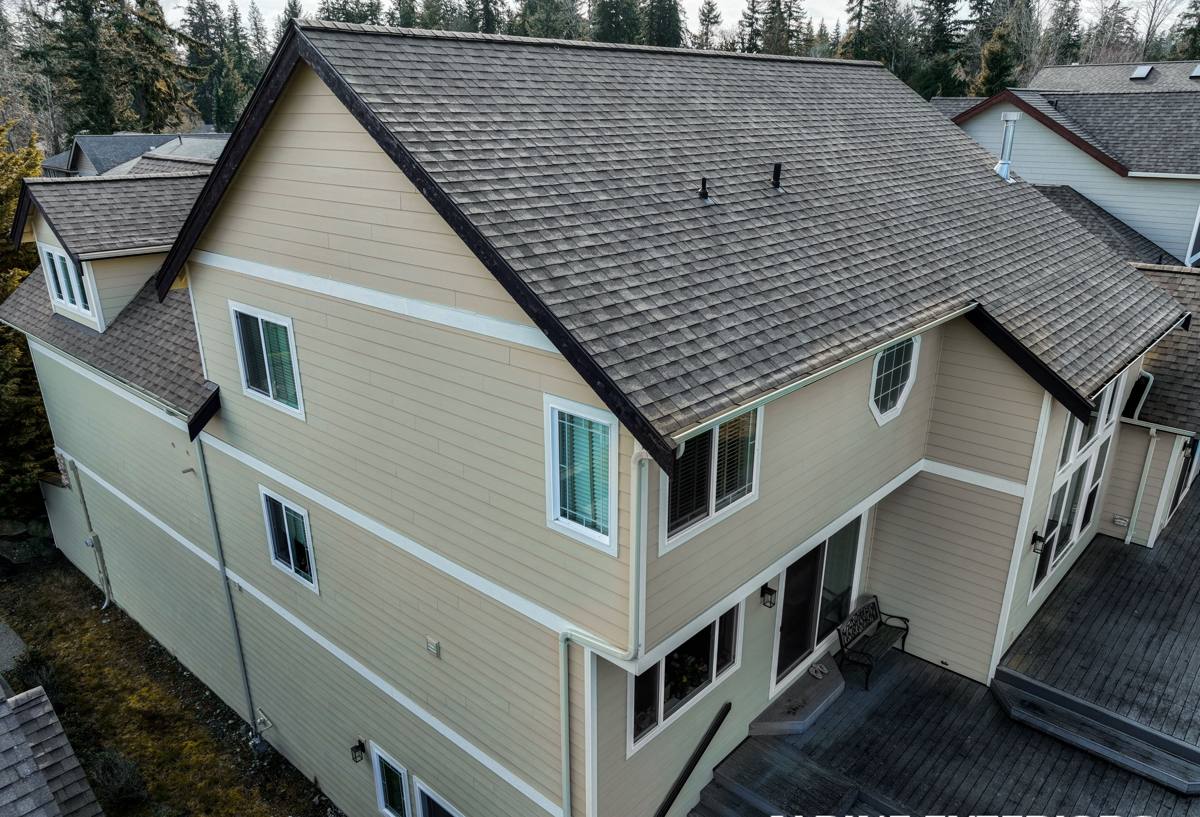
What Capitol Hill's Housing Stock Means for a Deck Replacement
Capitol Hill has one of the more varied housing stocks in Seattle — early 1900s craftsman and Victorian homes, mid-century additions, townhomes, and multi-unit buildings all sitting close together on narrow lots. That mix matters for deck work in a few practical ways:
- Older ledger connections. Many original decks on older Capitol Hill homes were attached before modern flashing standards existed, or were added on later by a previous owner without a permit. A replacement is the right time to correct that connection properly.
- Additions and remodels layered over time. Homes that have been added onto once or twice sometimes have decks that were never designed as part of the original structure — framing sizes and ledger attachments can be inconsistent with what code requires today.
- Narrow lots and shared access. Tight side yards and alley-only access on many Capitol Hill blocks affect how materials get to the backyard and how much staging room a crew has, which is worth planning for before demo day, not during it.
None of this means older homes are a problem — it just means a Capitol Hill deck replacement benefits from a crew that actually looks at the structure underneath, not just the decking on top.
Signs a Deck Needs Replacing, Not Just Repairing
Not every tired-looking deck needs a full teardown. But there's a point where patching individual boards stops making sense and starts hiding a bigger problem. Some signs worth taking seriously:
- Soft, spongy, or springy spots in the decking or framing underneath
- Persistent moss or black staining that comes back within weeks of cleaning
- Visible gaps or rust streaks at the ledger board where the deck meets the house
- Posts or footings that feel loose, or a railing that flexes more than it should
- Fasteners that are corroded, backing out, or leaving dark streaks in the wood
If you're seeing more than one of these, a repair is usually just delaying the inevitable — and in wet climates, delaying often means the rot spreads to framing members that are far more expensive to fix than the visible decking.
What a Correct Deck Replacement Actually Involves
Below the Decking
The parts you don't see are what determine how long the deck lasts. That includes proper ledger flashing where the deck attaches to the house, joists sized and spaced for the actual load and span, corrosion-resistant hardware rated for treated lumber, and footings set below frost depth with adequate bearing for our clay-heavy Puget Sound soils. Ventilation underneath the deck also matters more here than in drier climates — trapped moisture under low decks is a common cause of premature joist rot.
On the Surface
Board spacing needs to account for wood movement and drainage, not just appearance. Fastener choice affects both how the deck looks over time and how well water sheds off the surface. Stair and railing details need to meet current code, which has changed over the years — a deck built two decades ago may no longer meet baseline safety requirements even if it's structurally sound.
Choosing a Decking Material for This Climate
There's no single "best" decking material — the right choice depends on how much maintenance you're willing to do, your budget, and how much direct weather and shade the deck gets. Here's an honest breakdown:
| Material | Upfront Cost | Maintenance in Our Climate | Typical Lifespan |
|---|---|---|---|
| Pressure-treated wood | Lowest | Annual cleaning and periodic sealing to fight moss and moisture | 10–15 years |
| Cedar | Moderate | Regular sealing needed; naturally more moisture-resistant but still needs upkeep | 15–20 years |
| Composite | Higher | Occasional washing; resists rot but can still get slick with algae in shaded, damp spots | 20–25+ years |
| PVC / capped polymer | Highest | Lowest ongoing maintenance; best moisture resistance for heavily shaded lots | 25+ years |
For decks under heavy tree cover — common on the leafier stretches of Capitol Hill — composite or capped polymer boards tend to hold up better against the moss cycle than untreated wood. That said, plenty of homeowners prefer the look and lower upfront cost of wood and are simply willing to stay on top of cleaning and sealing. We'll walk through the real trade-offs for your specific yard rather than push one product line.
Permits and Practical Access on Capitol Hill Lots
Most deck replacements in Seattle require a permit through the city, particularly when the deck is elevated, attached to the house, or being rebuilt to a different size or footprint than the original. We handle that process rather than leaving it to the homeowner. On Capitol Hill specifically, a few practical things tend to come up:
- Narrow side-yard or alley access can limit how large a delivery or dumpster can be staged on-site
- Shared walls or close neighboring structures on tighter lots mean extra care during demolition
- Some blocks have parking or noise ordinance considerations worth planning around ahead of time
We scope this out during the estimate, not after the crew shows up, so there are no surprises mid-project.
Our Process, Start to Finish
- On-site assessment. We inspect the existing deck, framing, and ledger connection to determine what's salvageable and what isn't.
- Straightforward estimate. You get a clear scope of work and pricing before anything is signed — no vague allowances that turn into surprise costs later.
- Permit handling. We pull the necessary permits and coordinate any required inspections.
- Demolition and disposal. Old decking, framing, and hardware are removed and disposed of properly.
- Rebuild. Footings, framing, flashing, decking, and railings are installed to current code, with attention to the drainage and ventilation details this climate demands.
- Final walkthrough. We go over the finished deck with you and cover basic care so it ages the way it should.
Keeping a New Deck in Good Shape
A properly built deck still needs some seasonal attention in a climate like ours. A short maintenance checklist worth keeping:
- Sweep off leaves and debris regularly, especially in fall under tree cover
- Clean moss and algae before it gets a foothold — early spring and late fall are good windows
- Check the ledger flashing area yearly for any signs of water intrusion
- Reseal wood decking on the manufacturer's recommended schedule, not just when it looks faded
- Keep gutters and downspouts near the deck clear so runoff isn't draining straight onto it
Why It Matters to Hire a Crew That Already Works This Neighborhood
Deck replacement isn't just a carpentry job — it's a structural project that has to account for King County's soil, Seattle's permitting process, and a climate that punishes shortcuts. A crew that regularly works Capitol Hill's older homes and tight lots already knows how to plan around alley access, what ledger conditions to expect on a house from a given era, and how to keep moss and moisture from becoming next year's problem instead of solving it now. That familiarity shows up in fewer surprises, a smoother permit process, and a deck that's actually built for the block it sits on.
If your deck is showing its age, we're happy to take a look and give you a straight, no-pressure assessment of whether it needs full replacement or just targeted repair. Fill out the form below to schedule a free estimate.