 Seattle Exterior
 Board & Batten Siding in Fremont: What Makes This Style Right for the Neighborhood
Fremont's mix of older bungalows, updated craftsman-style homes, and newer infill construction gives board and batten siding a natural home. The style — wide vertical panels with narrow battens covering the seams — reads as clean and modern on newer builds, and pairs surprisingly well with the trim details on older Fremont houses when it's used as an accent alongside horizontal lap siding. It's a look we get asked about often in this part of Seattle, and it's one we're glad to install, but only in a material that can actually handle what King County weather does to a vertical seam-and-batten assembly year after year.
That material, for us, is James Hardie fiber cement in a board and batten profile. We don't install board and batten in vinyl, engineered wood, or unfinished cedar. This page explains why that matters specifically for Fremont, what a correctly installed board and batten job looks like, and how our process works from estimate to final walkthrough.
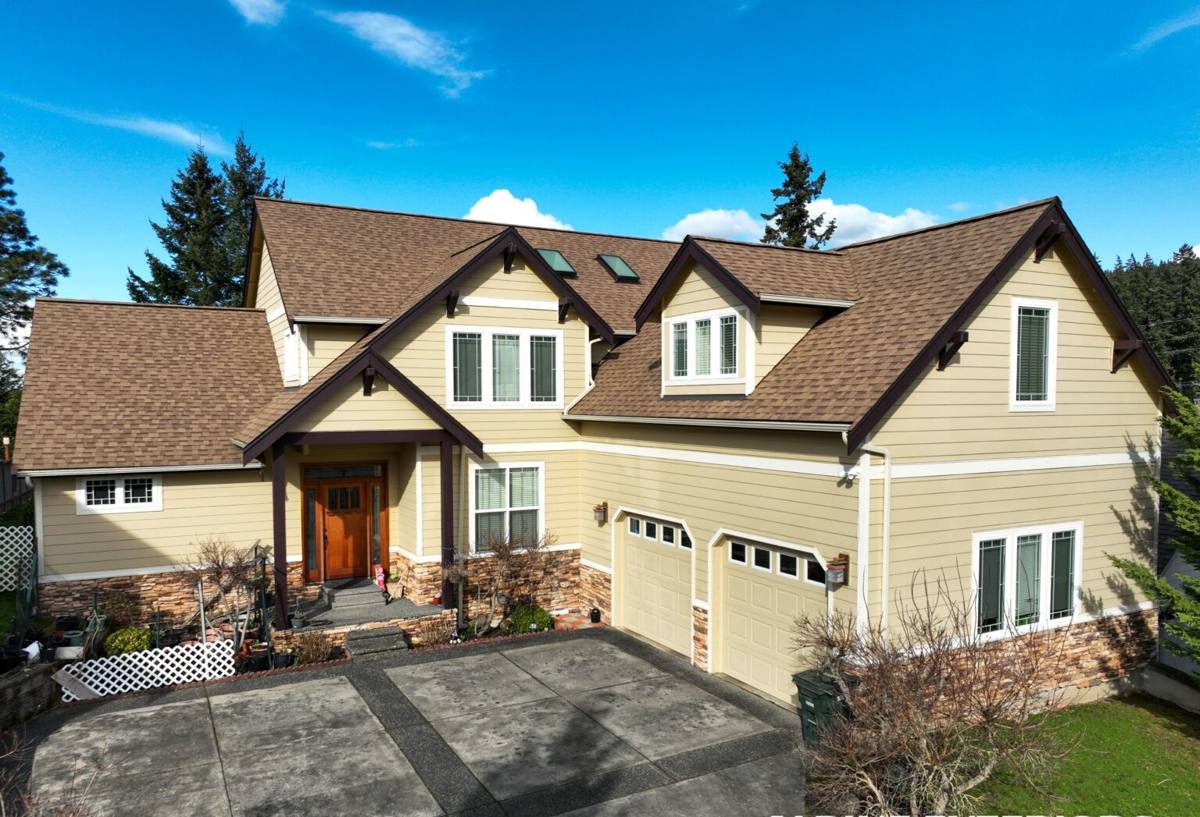
Why Seattle's Climate Is Harder on Board & Batten Than Most Siding Styles
Board and batten siding has more vertical seams per square foot than standard lap siding, and every one of those seams is a place where water can find its way behind the cladding if the install isn't precise. In a drier climate that's a minor concern. In Fremont, with the long stretch of driving rain Seattle sees from fall through spring, plus the salt-tinged air moving in off Puget Sound, it's the single biggest factor separating a board and batten job that lasts decades from one that causes problems in five to seven years.
The Three Things Local Weather Does to This Style Specifically
- Driving rain finds vertical joints: Wind-driven rain off the Sound doesn't just fall straight down — it gets pushed sideways into vertical seams that aren't properly flashed or fastened.
- Moss and algae collect at batten shadow lines: The narrow shadow gaps under battens stay damp longer than a flat wall face, especially on north- and west-facing elevations that see less direct sun. That extended dampness is exactly what moss and mildew need to take hold.
- Salt air accelerates fastener and finish breakdown: Homes closer to the water deal with airborne salt that speeds up corrosion on exposed or poor-quality fasteners and dulls unprotected finishes faster than inland homes see.
None of this means board and batten is a bad choice for Fremont. It means the material and the installation have to be matched to the conditions, which is exactly where a lot of board and batten jobs — regardless of who installs them — go wrong.
Why We Only Install This Style in James Hardie Fiber Cement
Board and batten is unforgiving of material weaknesses because of how much edge and seam exposure it has compared to lap siding. Vinyl board and batten looks reasonable from the street but relies on hidden clips and expansion gaps that can rattle loose or warp when temperatures swing and moisture gets behind the panel — and it can't be caulked or sealed the way fiber cement can if a seam does need attention. Engineered wood products use wood fiber that, however well treated, is still an organic material sitting in narrow, shaded battens exactly where Fremont's damp season lingers longest. Unfinished cedar board and batten is beautiful when it's new, but it needs recoating on a schedule most homeowners don't want to keep up with, and moss takes hold in cedar's grain faster than on a factory-finished fiber cement surface.
James Hardie fiber cement is non-combustible, doesn't swell or rot when it takes on moisture, and comes with a factory-applied ColorPlus finish that's baked on rather than field-painted — which matters a lot on a style with this many seams and edges to keep sealed. Hardie's HZ5 product line is engineered for exactly the wet, marine-influenced climate Seattle sits in. We install it because it's the one board and batten material we're confident holding up through a full Puget Sound winter after winter without turning into a maintenance project.
Board & Batten Material Comparison
| Material | How It Handles Fremont's Rain & Moss | Maintenance Reality |
|---|---|---|
| James Hardie fiber cement (HZ5) | Won't rot or swell from trapped moisture; factory finish resists moss growth longer | Occasional wash; repaint only when the homeowner chooses a color change |
| Vinyl board and batten | Seams and clips can loosen with temperature swings and wind-driven rain | Low upkeep but limited repair options if a panel warps or cracks |
| Engineered wood (LP-type) | Vulnerable to edge swelling if seams aren't perfectly sealed and maintained | Requires diligent caulk and paint upkeep on a strict schedule |
| Unfinished cedar | Attractive but absorbs moisture readily; battens stay damp longer, inviting moss | Needs regular sealing/staining; highest ongoing maintenance |
What a Correct Board & Batten Installation Involves
Behind the Panels
The visible boards and battens are only half the job. Underneath, a correct install has a weather-resistive barrier, properly lapped flashing at every horizontal transition, and rain-screen furring where conditions call for it, so that any moisture that does get past the surface has a path to drain and dry out rather than sitting against the sheathing. On a style with as many vertical seams as board and batten, this drainage layer is not optional — it's the difference between a wall that dries out after a storm and one that stays damp long enough to cause hidden rot.
Fastening and Spacing
Battens need consistent, code-compliant fastener spacing into structural framing, not just into the base board. Panels need the manufacturer-specified gaps at both ends to allow for expansion and contraction through Seattle's seasonal temperature swings. Skipping this is one of the most common shortcuts we see on board and batten jobs that later develop buckling or cracked caulk lines.
Sealing the Right Joints — and Not Over-Sealing
Not every seam in a rain-screen board and batten assembly should be caulked solid; some are meant to allow drainage and airflow. Sealing the wrong joints traps moisture instead of releasing it. This is a detail that separates crews who understand fiber cement's drainage plane from crews just matching the look of the style.
Installation Checklist We Follow on Every Fremont Board & Batten Job
- Weather-resistive barrier inspected or installed before any siding goes up
- Rain-screen furring installed where drainage and drying capacity are needed
- Flashing lapped correctly at windows, doors, and all horizontal trim transitions
- Battens fastened into framing at manufacturer-specified spacing
- Expansion gaps left at panel ends per Hardie installation instructions
- Only the correct joints sealed — drainage paths left open where required
- Factory ColorPlus finish protected and touched up per Hardie's field-touch guidelines
How We Handle a Fremont Board & Batten Project
Assessment
We start by looking at your home's specific exposure — which elevations take the most direct rain, how much shade keeps certain walls damp longer, and what's happening behind your current siding if it's being replaced. That assessment shapes decisions on rain-screen detailing and flashing before a single panel is ordered.
Plan and Product Selection
We walk through Hardie's board and batten profile options and HZ5 color choices with you, and we're upfront about where board and batten makes sense as a full-elevation choice versus an accent alongside lap siding — a common and effective combination on Fremont homes.
Installation
Our crews install to Hardie's published specifications, not shortcuts that happen to look right from the curb. That includes the drainage plane, fastening, and flashing details covered above — the parts of the job that determine whether this siding is still performing well in twenty years.
Final Walkthrough
We go over the finished work with you, confirm seams and trim lines meet expectations, and make sure you understand the warranty coverage and any basic care recommendations before we consider the job done.
Warranty and Long-Term Value for This Style
James Hardie backs its fiber cement products with a substantial, transferable limited warranty, and the ColorPlus finish carries its own separate finish warranty when factory-coated boards are used. On a siding style with this much seam exposure, having a manufacturer warranty that covers the material itself — not just the paint — is a real advantage over field-finished alternatives. We only install James Hardie products specifically so our board and batten work is backed by that warranty structure, not a patchwork of separate coverage for the board, the finish, and the fasteners.
Why Local Experience with This Style Matters
Board and batten's failure points in Seattle are specific: seam moisture, batten-line moss, and salt-air fastener wear near the water. A crew that's installed this style across Fremont and the rest of King County has already seen where those problems show up and builds the drainage and flashing details around them from the start, rather than treating every job as a blank slate. That local pattern recognition is worth more on a demanding style like board and batten than it is on simpler siding profiles.
If you're weighing board and batten for a Fremont home, we're happy to walk your property, point out anything specific to your home's exposure, and put together a straightforward estimate — no pressure, no obligation. The form below gets you started.