 Seattle Exterior
 Deck Building in Fremont: Built for the Neighborhood You Live In
Fremont sits close to the Ship Canal and Lake Union, tucked under a tree canopy that keeps yards shaded, damp, and green most of the year. That's part of what makes the neighborhood feel the way it does — but it's also exactly the environment that wears out a poorly built deck faster than almost anywhere else in King County. Between marine air off the water, driving rain through the fall and winter, and a moss season that can stretch six months or longer, a deck in Fremont is under more moisture pressure than one built in a drier inland suburb.
We build decks for homes in this neighborhood the way the conditions actually demand — not with a generic approach borrowed from a drier climate. That means paying close attention to drainage, fastener choice, wood selection, and the small construction details that decide whether a deck lasts eight years or twenty-five.
What Fremont's Housing Stock Means for Deck Projects
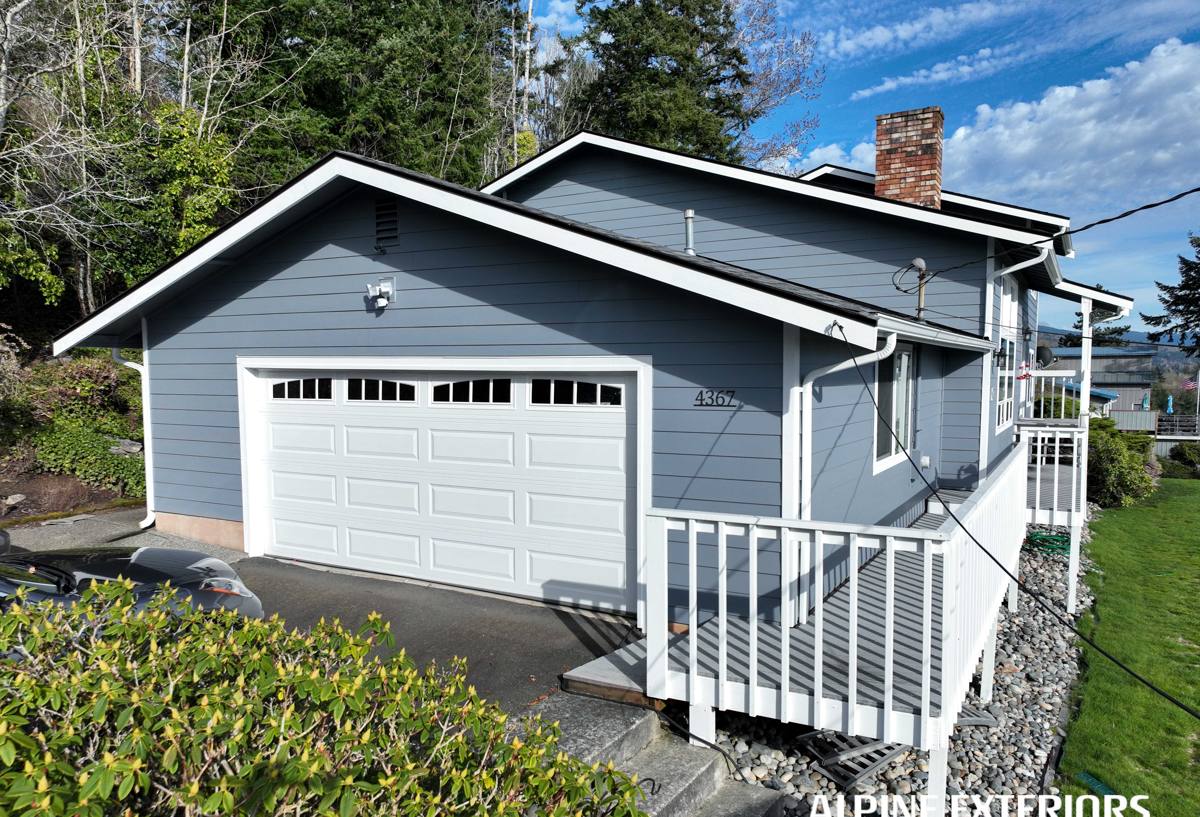
Fremont has a mix of older bungalows, Craftsman-style homes, and newer infill construction, many on lots with some grade change or mature landscaping close to the house. A few things come up again and again on projects in this part of Seattle:
- Older homes often have ledger boards attached to original framing that needs to be evaluated before a new deck can be safely tied in.
- Sloped or uneven lots are common, which affects footing depth, post height, and whether stairs or a lower patio landing make more sense.
- Established trees mean more leaf litter, more shade, and more moss buildup on deck surfaces than a home in a more open, sun-exposed area would see.
- Many lots are narrower, so deck footprint and layout have to work efficiently without crowding property lines or setbacks.
None of this makes a deck project harder in a bad way — it just means the plan has to fit the actual house and lot, not a one-size template.
Why Pacific Northwest Moisture Changes How a Deck Should Be Built
Rain and Standing Water
Seattle's rainy season isn't just about total rainfall — it's the duration. Wood, fasteners, and connection points that stay wet for days at a stretch behave very differently than the same materials in a climate with quick dry-outs between storms. A deck built without real attention to drainage will hold moisture at the ledger connection, around post bases, and between deck boards, which is where rot and fastener corrosion start.
Marine Air and Corrosion
Proximity to Lake Union and the Ship Canal means the air carries more moisture and mineral content than it would further inland. Over time, that accelerates corrosion on lower-grade fasteners and hardware. It's a slow process, so it's easy to overlook when a deck is new — but it's one of the most common reasons we see older decks in this area fail at the connections before the wood itself is a problem.
Moss and Surface Buildup
Shaded, damp decks in Fremont grow moss and algae faster than sun-exposed decks elsewhere in the region. Beyond looking bad, moss holds moisture against the deck surface and becomes slippery — a real safety issue on stairs and landings. Surface texture, board spacing, and material choice all affect how much of a problem this becomes over time.
What a Correctly Built Deck Actually Involves
A deck that holds up in this climate isn't about any single premium material — it's about getting the whole system right. That includes:
Footings and Structure
Footings need to be sized and set to the depth required for the soil and frost conditions, with posts and beams sized for the actual span and load, not just "what's typically done." On sloped Fremont lots, this often means more careful footing layout than a flat-lot deck would need.
Ledger Flashing and Attachment
Where a deck attaches to the house is the single most common failure point we see on older decks in wet climates. Proper flashing that sheds water away from the house band joist, combined with correctly spaced and rated fasteners, is non-negotiable — not an upgrade option.
Fastener and Hardware Grade
Hot-dip galvanized or stainless connectors and fasteners are worth the modest upcarge in a climate like this, especially where hardware sits in continuous contact with treated lumber and moisture. Lower-grade fasteners corrode faster here than in drier parts of the state, and a corroded structural connector is a hidden problem until it isn't.
Drainage Beneath the Deck
Grading and drainage under and around the deck matter as much as what's visible on top. Water that pools under a low deck or against a foundation wall causes problems that show up months or years later, often in places that are expensive to fix once finished.
Decking Material Selection
Cedar, treated lumber, and composite decking all perform differently in this climate — and the right choice depends on the homeowner's priorities around maintenance, appearance, and budget, not a single "best" answer. We'll walk through the honest trade-offs for your specific project rather than pushing one product.
Comparing Decking Materials for a Fremont Climate
| Material | Moisture Behavior | Maintenance | Typical Lifespan |
|---|---|---|---|
| Cedar | Naturally moisture- and insect-resistant, but still needs sealing to control graying and moss | Periodic cleaning and re-sealing, roughly every 2-3 years | 15-20+ years with upkeep |
| Pressure-Treated Lumber | Resists rot when properly installed and finished; end cuts and fasteners need attention | Regular cleaning, sealing, and inspection of fasteners | 15-20 years |
| Composite Decking | Doesn't rot, but surface can stay damp longer and needs cleaning to prevent moss/algae film | Low — periodic washing, no sealing/staining | 25-30 years, warranty-backed |
None of these is automatically wrong for a Fremont home. The right pick depends on how much upkeep you want to do, how shaded the deck location is, and your budget for the project versus ongoing maintenance.
Permits and Setbacks in Seattle
Most new decks and many deck replacements in Seattle require a permit through the city, and King County/Seattle rules on setbacks, height, and guardrail specifications apply regardless of neighborhood. Skipping this step is a common shortcut some contractors take to move faster, but it creates real risk for the homeowner — from stop-work orders to problems at resale when a permit history doesn't match the structure on the ground. We handle the permitting process as a standard part of the job, not an add-on.
Our Process for a Fremont Deck Project
- On-site assessment — We look at the existing structure (if there is one), the grade, drainage, sun/shade exposure, and how the deck connects to the house.
- Design and material conversation — We talk through layout, size, and material trade-offs honestly, based on your budget and how much maintenance you want long-term.
- Permitting — We prepare and submit what's required through the city before any structural work begins.
- Construction — Footings, framing, ledger attachment and flashing, decking, railings, and stairs, built to hold up under Puget Sound moisture, not just to pass a quick inspection.
- Final walkthrough — We go over the finished deck with you, including basic maintenance guidance specific to the material you chose.
Signs an Existing Fremont Deck Needs Attention
- Soft, spongy, or discolored decking, especially near the house connection
- Visible rust or corrosion on fasteners, joist hangers, or post connectors
- Moss or algae that returns quickly after cleaning
- Gaps, movement, or sponginess where the deck meets the house
- Standing water on the deck surface or underneath it after rain
- Railings or stair stringers that feel loose or flex under weight
Any one of these on its own might be minor. Several together usually mean it's worth a professional look before it becomes a safety issue.
Why a Crew That Already Works in Fremont Matters
A contractor who works regularly in this neighborhood already understands the housing stock, the typical lot conditions, and what Seattle's permitting process requires — which means fewer surprises and a smoother project from estimate to final inspection. It also means we're not guessing at how the local climate affects material choices; we've seen how cedar, composite, and treated lumber actually hold up on decks a few blocks from yours, not just in a manufacturer's spec sheet.
We're a Seattle-based exteriors crew, not a national franchise cycling through the region. When you call about a warranty question or want advice on maintaining a deck we built, you're talking to the people who actually did the work.
Maintaining a Deck Through the Seattle Wet Season
Even a well-built deck needs some seasonal attention in this climate. A basic annual routine — clearing debris from between boards, sweeping off moss buildup before it takes hold, and checking that drainage paths under and around the deck are clear — goes a long way toward protecting the investment. For wood decks, re-sealing on the schedule appropriate to the material keeps moisture from working into the grain during the long rainy stretch. We can walk you through a maintenance schedule suited to whatever material ends up on your project.
Get a Free Estimate for Your Fremont Deck Project
Whether you're planning a new deck, replacing an aging one, or just want an honest opinion on whether repairs make more sense than a rebuild, we're happy to take a look. Fill out the form below for a free, no-pressure estimate from a crew that already knows Fremont and the rest of Seattle.