 Seattle Exterior
 Building New in Queen Anne: What Your Windows Need to Handle
Queen Anne sits high above the water on one of Seattle's most exposed hills, which is part of why the neighborhood has the views it's known for. That same elevation and exposure means new-construction windows here take more weather than a typical inland lot. Wind off Puget Sound, driving rain that comes in sideways during winter storms, and long stretches of damp, low-sun months all put real stress on a window assembly before it's ever painted or trimmed out. When you're building new — a full custom home, an addition, or a major remodel with new openings cut into the shell — the window install isn't just a product choice. It's a water-management system that has to be right the first time, because once siding and interior finishes go on, mistakes get expensive to fix.
New construction gives you an advantage replacement work doesn't: access to the rough opening before anything is closed up. Done correctly, that's the best chance you'll ever have to build in flashing, drainage, and air-sealing details that keep the window performing for decades. Done poorly, it's the best chance to bury a problem behind finished walls where it won't show up until there's already damage.
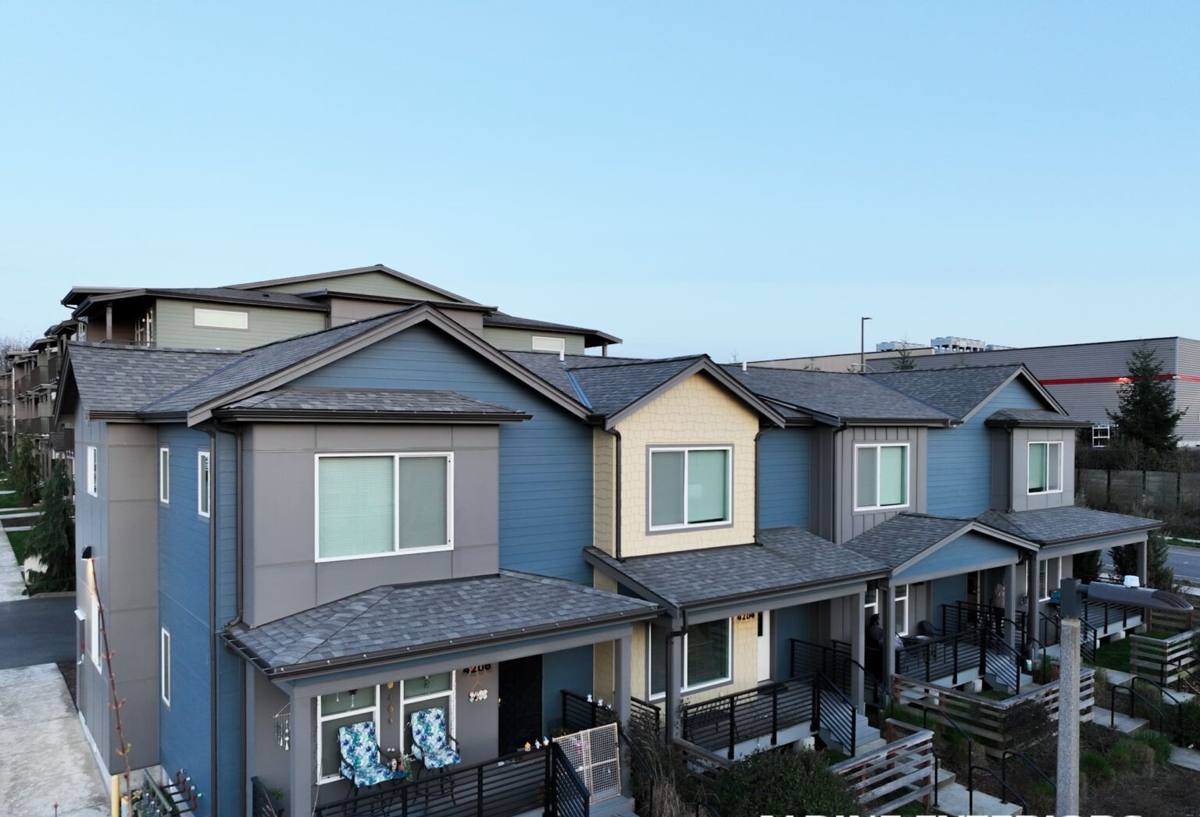
Queen Anne's Climate Challenges: Salt Air, Driving Rain, and a Long Moss Season
Three regional factors shape how we spec and install windows for Queen Anne homes:
- Salt air: Proximity to Puget Sound means airborne salt and moisture that accelerate corrosion on unprotected fasteners, hardware, and lower-grade metal components over time.
- Driving rain: Wind-driven rain doesn't just fall on a window — it gets pushed sideways and upward at sills and corners, which is exactly where poor flashing details fail first.
- Moss and sustained dampness: Seattle's long wet season keeps north- and shade-facing surfaces damp for extended stretches. Moss and algae growth on sills, trim, and adjacent siding hold moisture against the building longer than a quick rain event would.
None of these factors are dealbreakers for any particular window product. They're design inputs. The right combination of flashing, sealant selection, hardware, and drainage detailing accounts for all three, and that's where experience installing in this specific part of King County pays off.
What a Correct New-Construction Window Install Actually Involves
Flashing and Water Management
Every rough opening gets a flashing sequence, not just a bead of caulk around the trim. That means sill pan flashing to catch and redirect any water that gets past the window, head flashing that sheds water out over the window rather than behind it, and side flashing that integrates with the weather-resistive barrier in the correct shingle-lap order — bottom to top, so each layer sheds onto the one below it. On a house exposed to driving rain the way many Queen Anne lots are, skipping or shortcutting this sequence is the single most common cause of hidden water intrusion.
Air Sealing and Insulation
The gap between the window frame and the rough opening needs to be sealed and insulated, not just stuffed with foam. Over-expanding foam can actually bow a frame and cause the sash to bind or the unit to fail to seal properly. We use low-expansion foam or backer rod and sealant sized to the actual gap, which keeps the frame square and keeps conditioned air from leaking out around the perimeter.
Fastening and Structural Attachment
New-construction windows are typically nail-fin units, fastened through the fin into the rough framing per the manufacturer's schedule. Fastener spacing, type, and corrosion resistance all matter more near the water — stainless or coated fasteners are the standard we hold ourselves to on Queen Anne jobs given the salt-air exposure.
Sealant Selection
Not every exterior sealant is rated for the same movement, UV exposure, or paint compatibility. We match sealant to substrate and location rather than using one product everywhere on the job.
Choosing a Window for This Climate
There's no single "correct" window brand or material for Queen Anne — the right choice depends on your home's style, budget, and how much maintenance you want to take on. What matters more than the label is the frame material's real-world behavior in a wet, salt-influenced marine climate. Here's how the common options compare on the factors that actually matter here:
| Frame Material | Moisture Behavior | Maintenance | Typical Cost Position |
|---|---|---|---|
| Vinyl | Won't rot or corrode; performs well in wet climates | Low — occasional cleaning | Most affordable |
| Fiberglass | Excellent — dimensionally stable, doesn't expand/contract with moisture swings | Low | Mid to upper-mid |
| Wood (unclad) | Requires diligent finish maintenance to resist our wet season and moss growth | High — regular refinishing | Upper |
| Wood-clad (aluminum or fiberglass exterior) | Good — exterior shell resists weather, wood interior stays protected | Moderate | Upper |
| Aluminum | Durable but prone to condensation and thermal loss unless thermally broken | Low | Varies widely |
For most new-construction projects in this neighborhood, we steer homeowners toward vinyl or fiberglass for their moisture tolerance and low upkeep, or a wood-clad unit when the look calls for real wood on the interior. Unclad exterior wood is a legitimate choice architecturally, but we're upfront that it demands a real maintenance commitment in a climate with this much sustained dampness and moss pressure — that's a trade-off to walk into with eyes open, not a defect in the product.
Our Process for New-Construction Window Installs
- Plan review and takeoff: We work from your architect's or builder's window schedule to confirm sizes, egress requirements, and energy code compliance before ordering.
- Rough opening inspection: Before any window goes in, we check that openings are square, plumb, and sized correctly, and flag framing issues to the general contractor early rather than forcing a window into a bad opening.
- Flashing and WRB integration: Sill pans, jamb flashing, and head flashing go in following manufacturer instructions and proper shingle-lap sequencing with the house wrap or weather barrier.
- Setting and fastening: Windows are set level, plumb, and square, shimmed as needed, and fastened per the manufacturer's schedule.
- Air seal and insulate: Perimeter gaps are sealed and insulated without over-compressing the frame.
- Exterior trim and sealant: Trim and sealant are installed to shed water away from the window, not trap it against the frame.
- Final walkthrough: Every unit is checked for smooth operation, proper locking, and a clean, weathertight exterior seal before we call the job done.
Energy Code and Permitting in Seattle
Seattle and King County new construction falls under Washington State's energy code, which sets minimum U-factor and solar heat gain requirements for windows based on the home's overall compliance path. On a new build or addition, your window specification needs to match what the plans were permitted under — swapping to a different U-factor or a cheaper unit mid-project can create a mismatch with the approved energy compliance documents. We coordinate with your builder or architect to make sure what actually gets installed matches what was permitted, so there are no surprises at inspection.
Why a Crew That Already Works Queen Anne Matters
Queen Anne has a mix of narrow urban lots, steep grades, and older infrastructure alongside new builds, which affects everything from staging materials and equipment access to how a house is exposed to wind and rain based on its position on the hill. A crew that regularly works this neighborhood already understands typical lot access constraints, has a working relationship with local building department expectations, and has seen firsthand how driving rain and salt air behave differently on a south-facing slope versus a more sheltered lot. That local pattern recognition shows up in better flashing decisions and fewer callbacks — not because the fundamentals of a good install change from neighborhood to neighborhood, but because judgment calls on exposure and detailing benefit from having done the work here before.
Protecting Your Investment After Installation
A correctly installed new-construction window needs very little from you, but a few habits extend its life significantly in this climate:
- Rinse sills and tracks periodically to clear moss spores and organic buildup before they take hold, especially on shaded or north-facing elevations.
- Check exterior sealant joints annually for cracking or separation, particularly after the first full winter as materials settle.
- Keep weep holes and drainage paths clear of debris so water can exit the frame as designed.
- Operate hardware through its full range a few times a year so locks and hinges don't seize from disuse.
- Watch for condensation between panes, which can signal a failed seal on an insulated glass unit and is worth addressing under warranty promptly.
Get a Free, No-Pressure Estimate
If you're building new or adding on in Queen Anne, we're happy to walk your plans, talk through window options for your home's exposure, and give you a straightforward estimate — no pressure, no hard sell. Use the form below to get started.