 Seattle Exterior
 Why Rainier Valley Decks Wear Out Faster Than You'd Think
Rainier Valley sits in south Seattle, and like the rest of King County it gets months of low-intensity rain, gray skies that keep wood damp long after a storm passes, and a moss season that can run from fall through spring. None of that is unusual for the Pacific Northwest, but it adds up differently on a deck than it does on a roof or a wall. A deck is horizontal. Water doesn't run off it the way it runs off a pitched roof — it sits, soaks in through end grain and fastener holes, and works its way into ledger boards, joists, and post bases that are often the last things a homeowner ever inspects.
Add in salt-laden air drifting off Puget Sound and Lake Washington on windier days, and you've got a slow, steady corrosion process working on any exposed metal hardware at the same time moisture is working on the wood. Individually these are manageable. Together, over ten or fifteen years, they're why so many decks in this part of Seattle look fine from the yard but are quietly failing where you can't see them — at the ledger connection to the house, under the surface boards, and at the base of the posts.
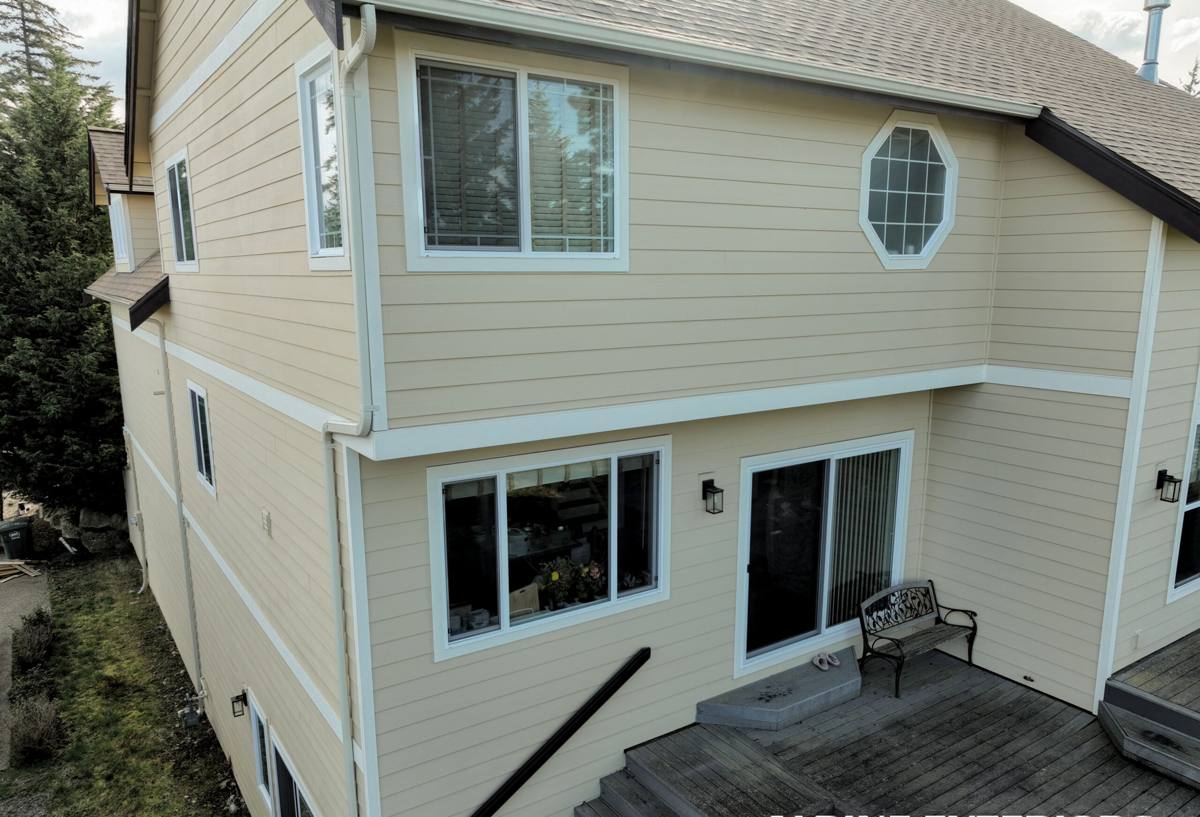
Repair or Replace? How to Tell
Not every tired-looking deck needs to come out. Some just need a handful of boards swapped and a fresh coat of finish. The decision usually comes down to what's happening structurally, not cosmetically.
Signs you're likely looking at a repair
- Isolated boards that are cupped, splintering, or soft, while the framing underneath is solid
- Loose railings or balusters that can be reset without touching the deck's structure
- Surface graying or moss growth on an otherwise sound deck
Signs you're likely looking at a replacement
- Soft or spongy spots at the ledger board (where the deck meets the house) — often the first place rot sets in
- Rust streaking or crumbling at joist hangers and post bases
- A deck built without proper flashing at the house connection, which is common on older Rainier Valley homes remodeled or added onto before current code existed
- Structural bounce, sagging, or movement when you walk across it
- Multiple past repairs that haven't solved the underlying moisture problem
A deck that fails at the ledger or post bases is a safety issue, not just an appearance issue. That connection carries the load of everyone standing on it, and it's exactly the spot our wet climate attacks hardest.
What a Correct Deck Replacement Actually Involves
A deck replacement done right is not just new boards on old bones. It starts underneath, at the parts that determine whether the next deck lasts fifteen years or thirty.
Ledger connection and flashing
This is where most Northwest deck failures originate. The ledger board bolts to the house framing and has to be properly flashed so water is directed away from the house sheathing, not trapped behind the ledger where it can rot both the deck framing and the wall behind it. On a lot of older homes in this area, the original ledger was never flashed correctly, or was flashed with materials that have since failed. Replacement is the chance to fix that permanently.
Footings and posts
Footings need to be sized and set to current frost and load requirements, and posts need proper standoff bases that keep the wood end grain off concrete and out of standing water — a detail that matters more here than in drier climates because ground moisture around footings rarely fully dries out for months at a time.
Framing and hardware
Joists, beams, and hangers should all be rated for exterior, corrosion-resistant use, matched to whatever fasteners are used elsewhere so you're not mixing metals that corrode each other. This is a small detail that gets skipped more often than it should, and it's exactly the kind of thing that turns into a hidden problem five or six years down the road.
Decking material and drainage
Board spacing, ventilation underneath the deck, and grading around footings all affect how fast the structure dries out after our long stretches of rain. A deck that can't shed water and air it out is going to grow moss and hold moisture no matter what material sits on top.
Choosing Materials for a Rainy Climate
There's no single "best" decking material — there's a best material for your budget, maintenance appetite, and how much sun or shade your yard gets. Shadier lots in Rainier Valley, which are common under mature trees, tend to hold moisture and grow moss faster regardless of material, so drainage and airflow underneath matter as much as what's on top.
| Material | How it handles our wet climate | Maintenance |
|---|---|---|
| Pressure-treated wood | Good rot resistance when properly finished; still needs sealing to shed moss and moisture | Annual cleaning and re-sealing every 1–2 years |
| Cedar | Naturally rot- and insect-resistant, but softer and needs finish maintained to prevent graying and moisture uptake | Regular cleaning, periodic re-staining |
| Composite decking | Doesn't absorb moisture or rot; resists moss better than bare wood but still needs cleaning where shade and debris collect | Occasional washing, no sealing or staining |
We don't push one material on every homeowner. Composite carries a higher upfront cost but close to zero sealing and staining maintenance. Wood costs less upfront but only holds up if it's actually maintained on schedule — which is a real commitment in a climate that gives wood every opportunity to stay damp. We'll walk you through the honest trade-offs for your specific yard, sun exposure, and how much upkeep you actually want to do.
Our Deck Replacement Process
- On-site assessment. We inspect the existing deck's framing, ledger connection, and post bases to confirm what's actually failing versus what's just cosmetic wear.
- Plan and permit. We put together a scope that meets current Seattle and King County building code, including ledger flashing and footing requirements, and handle the permit process.
- Removal. Old decking, framing, and any compromised ledger or footing components come out. We check for hidden moisture damage to the house structure behind the ledger while it's exposed.
- Rebuild the structure first. Properly flashed ledger, code-compliant footings and posts, corrosion-resistant hardware — the parts that determine how the deck ages, built before a single deck board goes down.
- Install decking, railings, and stairs. Finished to your chosen material and layout, with attention to board spacing and drainage so the structure can dry out between rain events.
- Final walkthrough. We go over care and maintenance specific to the material you chose, so you know what keeping it looking good actually requires.
Permits and Code in Seattle
Most deck replacements in Seattle require a permit, especially when the deck is attached to the house or elevated above a certain height, and code requirements around ledger attachment, guardrails, and footing depth have been updated over the years. A deck built to an older code — or without a permit at all, which wasn't uncommon on older remodels — may not meet current requirements even if it looks structurally fine. Replacing it is the opportunity to bring the whole structure up to current standards rather than carrying an outdated build forward. We handle the permit process as part of the job so you're not chasing it down yourself.
Why Hiring a Crew That Already Works This Neighborhood Matters
Rainier Valley has a mix of housing ages and styles, from older homes with additions and decks built decades apart to newer builds, and the moisture and ledger issues we run into vary depending on how and when a deck was originally attached. A crew that regularly works in this part of Seattle has already seen how the local rain patterns, tree cover, and older construction methods interact — and knows what to check first instead of guessing. That's the difference between a deck replacement that solves the actual problem and one that just looks new for a couple of years before the same rot issues resurface.
Keeping a New Deck in Good Shape
Whatever material you choose, a little seasonal attention goes a long way in this climate.
- Sweep leaves and debris off the deck regularly in fall — trapped organic matter holds moisture and feeds moss
- Keep gutters and downspouts near the deck clear so water isn't dumping onto or near the structure
- Check the ledger flashing and any visible fasteners once a year for rust or gaps
- Clean moss and algae off the surface before it gets a foothold, rather than after
- For wood decks, stick to a sealing schedule rather than waiting until the wood looks dry or gray
- Make sure the space underneath the deck can still breathe — don't let landscaping or storage block airflow
Get a Free, No-Pressure Estimate
If your deck has soft spots, rust streaking on the hardware, or you're just not sure whether it needs a repair or a full replacement, we're happy to take a look. Use the form below to request a free estimate — no pressure, just an honest read on where your deck actually stands.