 Seattle Exterior
 Why Rainier Valley Homes Need a Roof Built for This Climate
Rainier Valley sits inland from Puget Sound but still gets the full brunt of Seattle's wet-season weather: long stretches of driving rain from fall through spring, a tree canopy that keeps roofs shaded and damp longer than open lots, and the low-grade salt air that drifts in off the Sound and settles on every exposed surface in King County. None of that is dramatic on its own, but stacked together over years it's exactly the combination that wears out a roof faster than homeowners expect. A roofing system that's fine in a dry climate can struggle here, and a roof that isn't installed with this specific mix of moisture and shade in mind will show it within a few winters.
This page is about one job done right: metal roofing on Rainier Valley homes. Not a general overview of every roofing option, and not a sales pitch for metal roofing everywhere. Just what local homes actually need, what a correct installation involves, and why the details matter more here than they would somewhere drier.
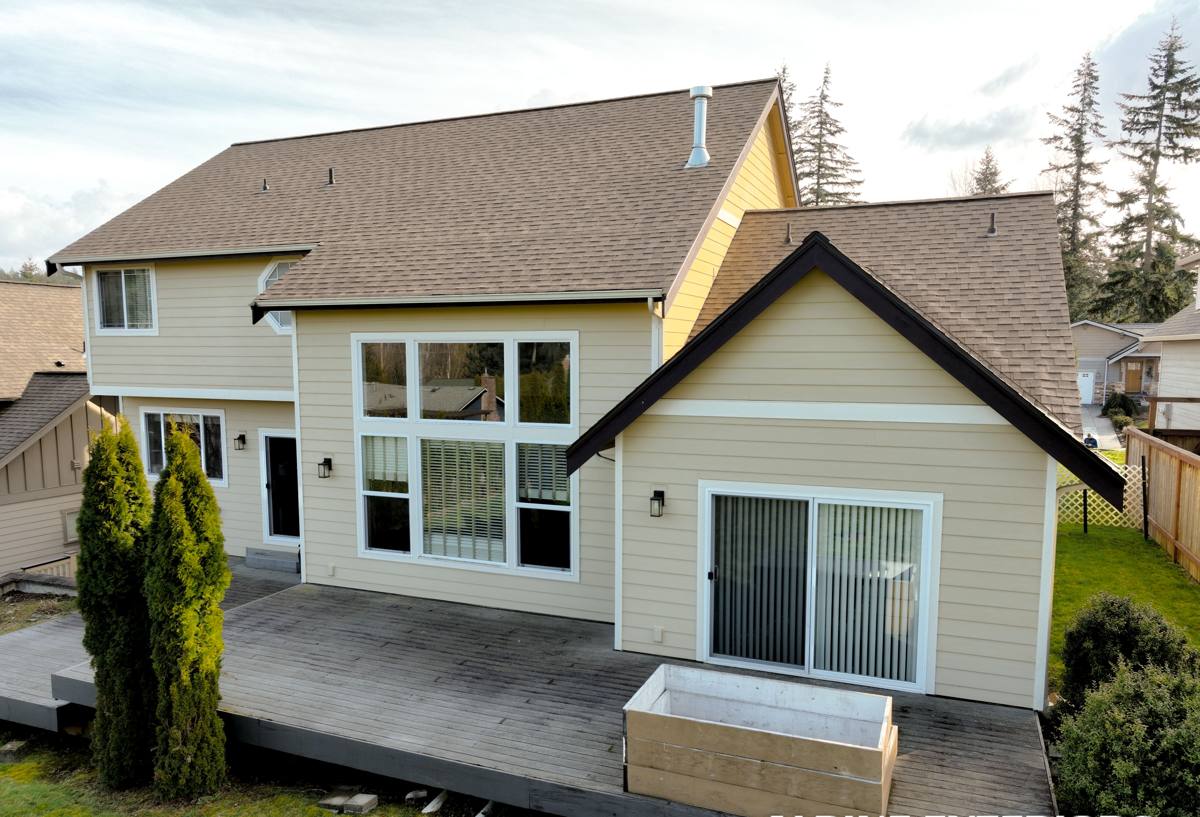
What This Climate Actually Does to a Roof Over Time
Moss and Organic Growth
Seattle's moss season isn't a few weeks — it's most of the year. Shaded, north-facing slopes and roofs under mature trees stay damp long after a storm has passed, and that moisture is what moss, lichen, and algae need to take hold. On asphalt shingles, moss roots into the granules and lifts them, which shortens the shingle's life directly. Metal doesn't give moss the same foothold, but it isn't immune — debris and organic buildup in valleys, around penetrations, or against poorly flashed transitions can still hold moisture against the panel or fastener long enough to cause problems if the roof wasn't detailed correctly.
Driving Rain and Wind-Driven Water
A lot of King County rain doesn't fall straight down — it comes in at an angle, pushed by wind off the Sound, which means it tests every seam, lap, and flashing point on a roof rather than just the open field of the surface. This is where installation quality separates a roof that performs for decades from one that leaks within a few years. Underlayment choice, fastener pattern, and flashing detail all matter more here than in a climate with lighter, more vertical rainfall.
Salt Air and Metal Fatigue
Homes closer to the water deal with airborne salt that accelerates corrosion on unprotected or poorly coated metal. Rainier Valley isn't waterfront, but it's still within the broader Puget Sound air pattern, and coastal-grade material choices are cheap insurance against a slow, invisible problem that's expensive to fix once it starts.
Why Metal Roofing Is a Strong Fit for Rainier Valley
Metal roofing isn't the right answer for every home or every budget, but for this specific climate it solves several problems at once:
- Sheds water fast, which matters when rain is frequent and sometimes wind-driven
- Doesn't absorb moisture the way organic shingle granules do, so it resists moss establishment better over time
- Handles the freeze-thaw swings and heavy wet snow the Cascades foothills occasionally send this way without the cracking risk older or brittle roofing materials face
- Lasts significantly longer than a typical asphalt roof when installed and maintained correctly, which matters on a property where reroofing means dealing with mature trees and steep pitches
- Holds up well under the region's wind gusts when properly fastened
The tradeoff is upfront cost and installation sensitivity — metal roofing done wrong causes its own set of problems, which is why the installation details below matter as much as the material choice itself.
Metal Roofing Options We Install
Not all metal roofing is the same product wearing different colors. The systems differ in how they're fastened, how they handle expansion and contraction, and how forgiving they are of the wet, shaded conditions common in this neighborhood.
| System | How It's Fastened | Best Fit For |
|---|---|---|
| Standing seam | Concealed clips, no exposed fasteners on the field | Homes wanting the longest service life and lowest long-term maintenance |
| Metal shingles/panels | Interlocking panels styled to resemble shingle or shake | Homes wanting a traditional look with metal's durability |
| Exposed-fastener panel | Screws driven through the panel face into the deck | Budget-conscious projects, outbuildings, lower-slope sections |
Exposed-fastener systems are the most affordable option, but every screw penetration is a potential leak point that depends on the washer and gasket staying sealed for the life of the roof. In a climate with this much sustained rain, we're upfront with homeowners that this system requires more attention over time than a concealed-fastener system. That's not a knock on the product — it's a maintenance tradeoff worth understanding before you choose it.
What a Correct Metal Roof Installation Actually Involves
Deck and Underlayment
Everything starts with the roof deck. If there's existing rot or soft sheathing from years of trapped moisture — common on older Seattle-area homes — it gets addressed before anything goes on top of it. Over a sound deck, we install a high-temperature, self-adhering underlayment at eaves, valleys, and penetrations, since these are the spots where wind-driven rain is most likely to find a way in.
Fastening and Panel Layout
Panel layout has to account for the home's actual exposure — a roof under heavy tree cover and shade needs the same attention to ventilation as one in full sun, arguably more, since trapped moisture has less chance to dry out between rain events. Fastener spacing and clip selection are matched to the region's wind exposure, not just a generic manufacturer minimum.
Flashing and Transitions
Chimneys, skylights, dormers, and valleys are where most roof leaks actually originate, metal or otherwise. Flashing has to be formed and lapped correctly, in the right sequence with the underlayment and panels, so water is always directed down and out rather than given a seam to work into.
Ventilation
A sealed, tight roof deck without adequate intake and exhaust ventilation traps moisture from inside the home against the underside of the roof. In a climate where the outside air is already damp much of the year, getting ventilation right is part of protecting the whole roof system, not just the metal itself.
Our Process on a Rainier Valley Metal Roofing Project
- On-site inspection of the existing roof, deck condition, tree cover, and drainage patterns specific to the property
- Honest walkthrough of metal roofing options and where each one fits the home and budget
- Written estimate that breaks out material, labor, and any deck repair separately, so there are no surprises
- Deck preparation and repair of any rot or soft spots found once old roofing is removed
- Underlayment and flashing installed at all vulnerable points before panels go on
- Panel installation with fastening and layout matched to the home's wind and moisture exposure
- Final walkthrough covering what maintenance the specific system needs going forward
Cost Factors Homeowners Should Understand
Metal roofing costs more upfront than asphalt, and the price swings based on a handful of specific factors rather than a flat per-square-foot number.
| Factor | Why It Affects Price |
|---|---|
| Panel system chosen | Standing seam costs more than exposed-fastener due to material and labor complexity |
| Roof complexity | Valleys, dormers, and multiple roof planes add flashing work and labor time |
| Deck condition | Rot or soft sheathing found underneath old roofing adds repair cost before install |
| Tree cover and access | Overhanging limbs and steep, shaded lots can add setup and cleanup time |
| Ventilation upgrades | Older homes often need intake or exhaust vents added, not just replaced |
We give straight ranges based on the actual property, not a number pulled from a national average — Rainier Valley homes vary enough in age, roof pitch, and tree cover that a generic estimate isn't useful to anyone.
What to Watch For if You're Comparing Contractors
- Ask specifically how they detail valleys and penetrations, not just what panel brand they install
- Ask whether they inspect and repair the deck before installing, rather than roofing over existing problems
- Ask how they handle ventilation on older homes, since this is frequently skipped
- Ask for the manufacturer's warranty terms in writing, including what voids it
- Be cautious of any bid that's dramatically lower than others without an explanation for the gap
Why Local Experience in Rainier Valley Specifically Matters
A roof crew that mainly works drier, more open parts of the country will size up ventilation and moisture protection differently than one that works Seattle's shaded, tree-heavy neighborhoods every week. Rainier Valley's mix of mature tree canopy, older housing stock, and long wet-season stretches rewards a crew that already knows what to look for on the tear-off — where moisture tends to have been trapped, which flashing details tend to fail first in this climate, and how to sequence the job around King County's weather rather than fighting it. That familiarity shows up in fewer surprises during the project and a roof that performs the way it's supposed to once the crew is gone.
Maintaining a Metal Roof in This Climate
Metal roofing is lower-maintenance than asphalt, not maintenance-free. In Rainier Valley specifically, keeping gutters and valleys clear of leaf and needle debris matters more than it would on an open lot, since trapped debris holds moisture against the panel longer than it should sit there. An occasional visual check after major storms, and keeping overhanging branches trimmed back, goes a long way toward getting the full service life out of the system.
If you're weighing metal roofing for a home in Rainier Valley, we're glad to take a look and talk through what actually makes sense for your roof — no pressure, no upsell, just a straight assessment. Use the form below to request a free estimate.