 Seattle Exterior
 Ravenna's Climate Puts Real Demands on Exterior Siding
Ravenna is one of Seattle's older, more established neighborhoods, with a housing stock that runs from early-1900s craftsman bungalows to mid-century remodels shaded by tall, mature trees near Ravenna Park and the surrounding ravine. That tree cover is part of what makes the neighborhood attractive, but it also creates a microclimate that's tougher on siding than a sunnier, more exposed lot would be. Shade slows drying time after rain. Moss and algae get a head start wherever moisture lingers. And the marine air rolling in off Puget Sound, combined with King County's long, wet fall-through-spring stretch, means siding here spends much of the year damp rather than dry.
None of that is unusual for Seattle. But it means siding installed without the right materials and the right details doesn't just look tired sooner — it can trap moisture behind the cladding, where the real damage happens. A siding job that's correct on a dry-climate house isn't automatically correct here. Ravenna homes need siding and installation practices matched to how wet this area actually stays.
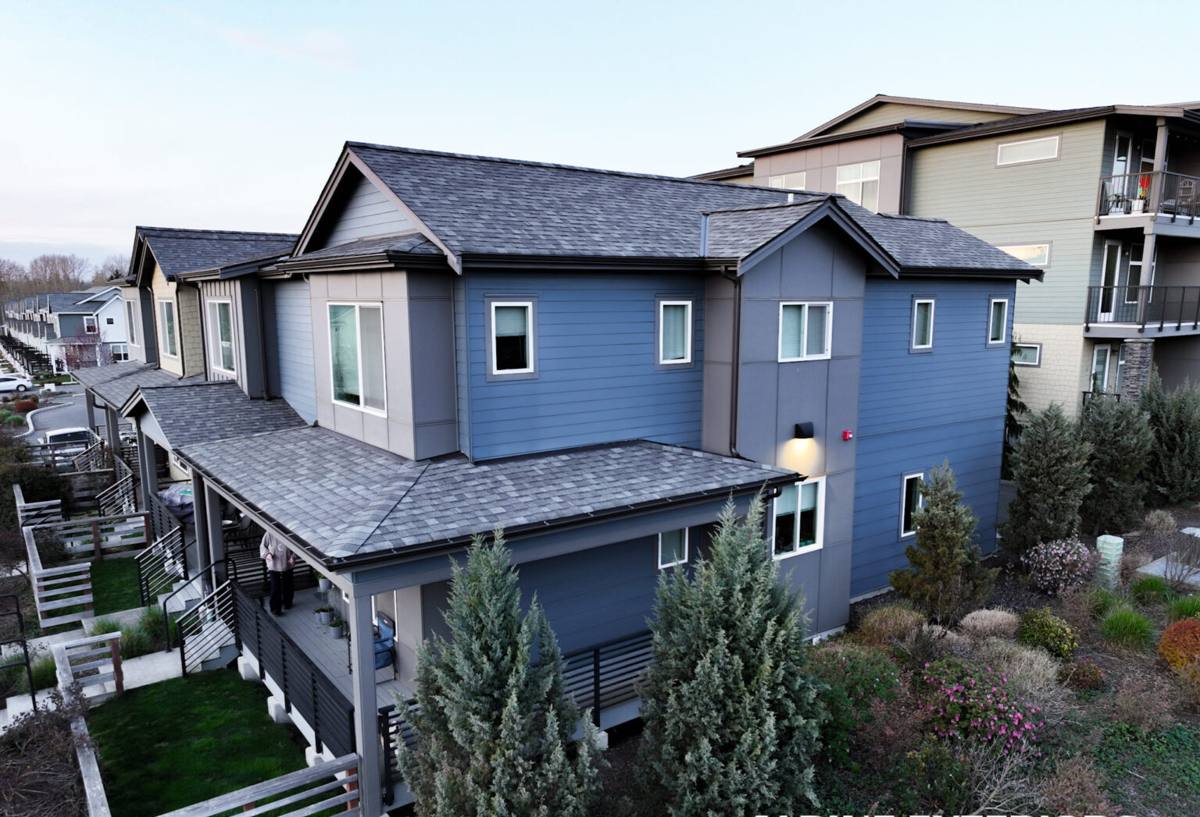
Signs Ravenna Homes Show When Siding Is Failing
Because so many Ravenna properties are older, we regularly see siding that's reached the end of its useful life in ways that aren't always obvious from the street. Common patterns we run into on inspections:
- Persistent green or black staining on north- and shade-facing walls, especially under tree canopy, that pressure washing only knocks back temporarily
- Soft or spongy spots around window trim, corner boards, and near ground level, where splashback and slow drying concentrate moisture
- Paint that's failing faster on one side of the house than another, usually the side that gets the least sun and airflow
- Old caulk joints that have shrunk, cracked, or pulled away, letting water track behind the siding instead of shedding off it
- Visible cupping, warping, or delamination on original wood or older composite siding
Any one of these can be minor on its own. Together, or left alone for a few more wet seasons, they usually point to moisture that's already working its way into the wall assembly, not just the surface.
What Correct Siding Installation Actually Involves
Siding is a system, not just a finish layer. A crew can install a good product and still get a bad result if the details underneath are wrong — and in a climate like ours, those details matter more than the color or profile the homeowner picks. A correct job includes:
Moisture Management Behind the Siding
A properly lapped weather-resistant barrier, correctly flashed openings, and a drainage plane that gives incidental moisture somewhere to go instead of somewhere to sit. On a shaded, damp lot like much of Ravenna, this layer is doing real work most of the year, not just in a rare storm.
Ventilated Rainscreen Gap
A small air gap between the back of the siding and the water-resistive barrier lets any moisture that does get behind the cladding dry out instead of staying trapped against the sheathing. This is one of the details that separates a siding job built for the Pacific Northwest from one that was installed the same way it would be in a drier region.
Manufacturer-Spec Fastening and Clearances
Correct nailing patterns, proper fastener penetration, and the right ground and roofline clearances all affect how well the siding sheds water and resists wind-driven rain over time. Skipping or shortcutting these is one of the fastest ways to void a manufacturer's warranty.
Sealed Transitions, Not Just Sealed Seams
Windows, doors, hose bibs, vents, and trim boards are where most siding failures actually start. Correct flashing and sealant work at every penetration matters more to long-term performance than the field siding itself.
Why We Install Only James Hardie Fiber Cement in Ravenna
We've made a deliberate choice not to install vinyl, LP SmartSide, cedar, primed spruce, or other fiber cement brands. That's not a marketing position — it's a standard we hold because of what we see coming off older siding jobs across our service area, and Ravenna's shaded, moisture-heavy lots are a good example of why it matters.
Wood and engineered wood products can perform well for a while, but they depend on paint film and moisture management staying perfect for years in a row — a hard bar to clear under year-round tree shade and long wet seasons. Vinyl sheds water on the surface but doesn't resist impact or UV fading the way a heavier material does, and it has real limits in how it manages moisture behind the panel. James Hardie fiber cement is non-combustible, doesn't swell or rot the way wood-based products can, and its ColorPlus factory finish is baked on under controlled conditions rather than field-applied — which matters a lot when a wall doesn't get much direct sun to help paint cure and hold up.
Hardie also builds region-specific product engineering into its lineup, including HZ5 formulations designed for wetter, more variable climates like ours. Combined with a strong transferable warranty when installed to Hardie's specifications, it's the product we're willing to put our name behind on a Ravenna home — not because it's the only siding that exists, but because it's the one we trust to hold up under these specific conditions when installed correctly.
How Our Ravenna Siding Installation Process Works
Every home is different, but our process on Ravenna projects generally follows the same sequence:
- On-site assessment. We look at the existing siding, sheathing condition, trim, flashing, and any moisture-prone areas specific to your lot's sun exposure and drainage.
- Tear-off and sheathing inspection. Once the old siding is off, we check the sheathing underneath for rot or soft spots before anything new goes on — this is often where hidden problems from years of moisture exposure show up.
- Weather barrier and flashing. We install and lap the water-resistive barrier correctly, flash all windows, doors, and penetrations, and set up the drainage plane before any siding panel is hung.
- Hardie installation to spec. Panels, fasteners, and clearances are installed per James Hardie's published installation guidelines, which is also what keeps the manufacturer's warranty intact.
- Trim, caulking, and finish detail. Corner boards, trim, and sealant joints are finished so water sheds away from the house rather than collecting at transitions.
- Final walkthrough. We go over the finished work with you before calling the job done, not before.
Siding Material Comparison for a Wet, Shaded Climate
| Material | Moisture Behavior | Maintenance Burden | Typical Lifespan Range |
|---|---|---|---|
| James Hardie Fiber Cement | Resists rot and swelling; factory finish holds up without direct sun | Low — occasional wash, no repainting on ColorPlus finish | Multiple decades with proper install |
| Vinyl Siding | Sheds surface water but limited drainage detailing behind panels | Low, but prone to fading and can crack in impact or cold | Moderate, varies with quality and UV exposure |
| Cedar / Wood | Absorbs moisture; needs consistent drying to avoid rot | High — regular staining, painting, and inspection | Shorter without diligent upkeep |
| LP SmartSide / Engineered Wood | Treated to resist moisture but still wood-based at the core | Moderate — edge and seam sealing is critical | Depends heavily on installation quality and upkeep |
This isn't a claim that every other product fails — it's why we standardized on one system we can install consistently well and stand behind, rather than juggling several products with different moisture tolerances and warranty terms.
What Drives the Cost of a Ravenna Siding Project
Every home prices out differently, but the same factors tend to move the number up or down on most Ravenna jobs:
| Cost Factor | Why It Matters |
|---|---|
| Extent of sheathing repair needed | Older homes with hidden moisture damage sometimes need sheathing replaced before new siding goes on |
| Home size and wall complexity | Dormers, bump-outs, and multiple stories add cutting, flashing, and labor time |
| Trim and detail work | Craftsman-style trim details common in Ravenna take more time to do correctly than a plain wall |
| Access and site conditions | Mature landscaping, narrow side yards, and slope can affect staging and equipment access |
| Siding profile and color selection | Panel style and factory finish options affect material cost |
Choosing a Siding Contractor Who Knows Ravenna
Neighborhood familiarity isn't just local flavor — a crew that's worked on Ravenna's older homes has already seen how the shade, drainage, and construction era in this part of Seattle tend to interact. Before hiring anyone for a siding project, it's worth confirming:
- They'll inspect and address sheathing condition before installing new siding, not just cover it up
- They install to the manufacturer's published specifications, including fastening and clearance requirements, so the warranty stays valid
- They can explain their approach to moisture management and drainage detailing, not just the finish product
- They carry proper licensing and insurance for exterior work in King County
- They give you a written scope of work, not just a verbal estimate
A siding job is only as good as what's happening behind the panels. Any contractor who can't speak clearly to that part of the job is worth a second look before you sign anything.
Ready for an Estimate?
If your Ravenna home's siding is showing moss, staining, soft spots, or just age, we're happy to take a look and give you an honest read on what it needs — no pressure, no obligation. Fill out the form below to schedule a free estimate.