 Seattle Exterior
 Windows Built for Ravenna's Specific Climate, Not a Generic One
Ravenna sits far enough from the Sound and Lake Washington that homeowners sometimes assume salt air isn't a real factor here — but Seattle's marine climate doesn't stop at the waterfront. Moisture-laden air moves across the whole city, and combined with King County's driving rain and a moss season that can stretch from fall through spring on shaded, tree-covered lots, windows in this neighborhood take on a steady, low-grade beating that a drier inland climate never would. It's rarely one dramatic storm that fails a window here. It's years of wind-driven rain finding a weak seal, condensation building between panes, and frames slowly losing their ability to shed water the way they did when they were new.
Ravenna's tree canopy is part of what makes the neighborhood, but it also means a lot of homes sit in near-constant shade on at least one exposure, which slows drying time after every rain event and gives moss and mildew a longer runway to take hold around sills and frame joints. A window replacement here has to account for that reality specifically — not just meet a baseline energy code, but actually hold up to a climate that stays damp for months at a stretch.
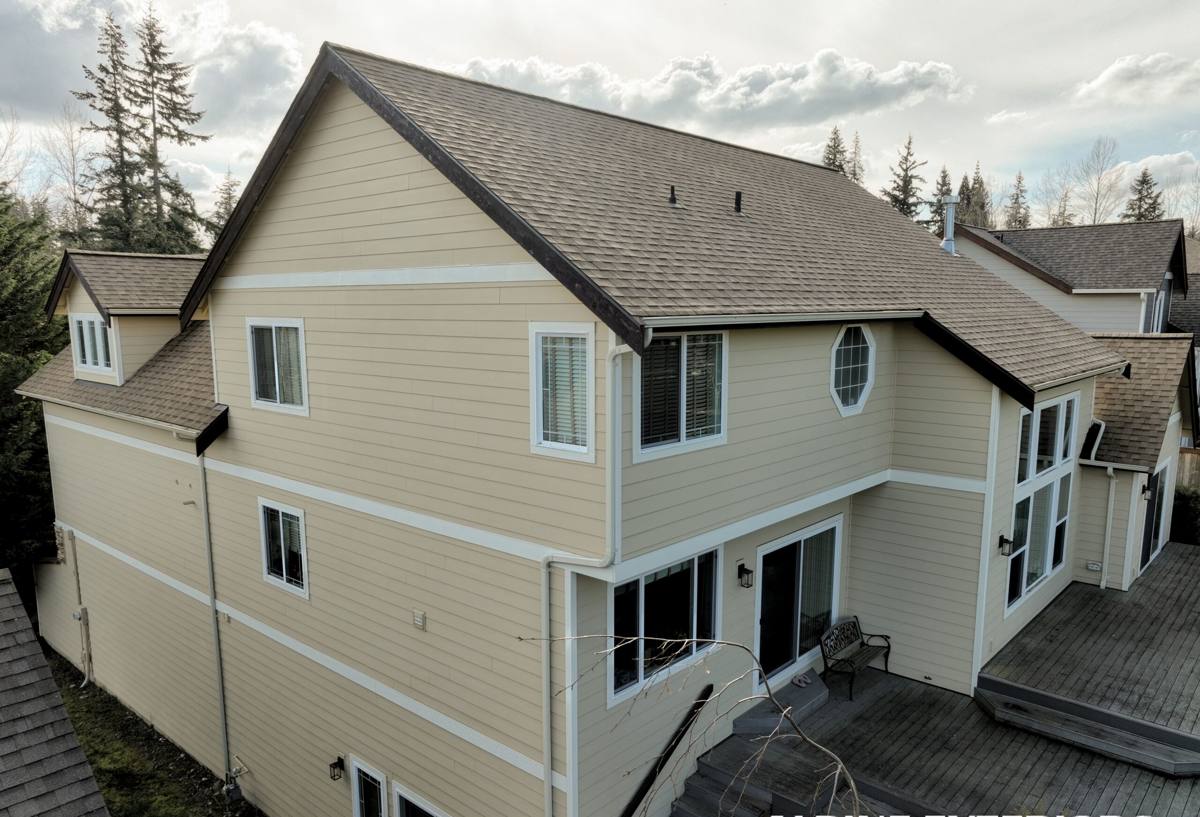
What Ravenna's Housing Stock Means for a Window Job
Ravenna has a mix of early-1900s Craftsman and bungalow-style homes, mid-century houses, and newer infill construction, and that mix matters more for window replacement than it does for a lot of other exterior work. Older homes in the neighborhood often still have original wood-frame windows or a first-generation replacement from decades back, and the wall assemblies behind them weren't built with modern moisture barriers in mind. That means the flashing and sealing detail around a new window often matters more than the window unit itself — a excellent window installed with a sloppy moisture plan will still leak, and a modest window installed correctly will outperform it.
Newer construction in and around Ravenna tends to have more standardized rough openings and modern house wrap already in place, which simplifies the install but doesn't eliminate the need for careful work. Every window opening is still a deliberate gap in the building envelope, and Seattle's rain doesn't care how new the house is.
What a Correct Window Replacement Actually Requires
Removal Without Hidden Damage
Pulling an old window in a home this age often reveals what's been happening behind the trim for years — soft sheathing, discolored framing, or insulation that's been holding moisture instead of shedding it. A careful crew inspects that opening before setting the new unit, not after problems show up again in five years. Rushing this step is one of the more common reasons a new window ends up performing no better than the old one.
Flashing and Water Management
The window unit itself is only part of the system. Proper flashing — at the sill, jambs, and head — has to integrate with whatever house wrap or building paper is already on the wall so water is directed out and down, never trapped behind the new window. In a climate with this much wind-driven rain, a flashing detail that would be fine in a drier region can still let water track in here specifically because the rain is hitting the wall at an angle, not falling straight down.
Sealing and Insulation
Gaps around the frame need to be sealed and insulated correctly — not overpacked with expanding foam that can bow the frame, and not left with voids that create drafts and condensation points. This is a detail-level step that's easy to see done poorly and hard to catch once trim is back on, which is part of why the crew doing the work matters as much as the window brand.
Frame and Sash Fit
A window that's slightly out of square or improperly shimmed will bind, leak, or fail its seal years before it should. Getting the unit level, plumb, and square in the opening is basic craftsmanship, but it's also the step most likely to get shortcut on a rushed job.
Signs a Ravenna Home's Windows Need Replacing
- Condensation or fogging between panes, which usually means a failed seal on a double- or triple-pane unit
- Drafts you can feel near the frame even with the window fully closed and locked
- Wood that's soft, discolored, or shows visible rot at the sill or lower corners
- Moss or dark staining building up on sills or frames faster than it can be cleaned off
- Windows that are difficult to open, close, or lock, or that no longer sit flush in the frame
- Rising heating bills without another clear explanation
- Visible gaps between the frame and siding or trim where water could be tracking in
Frame Material Trade-Offs for This Climate
There's no single "correct" window material for every home in Ravenna — the right choice depends on the house's age, style, and how much upkeep the homeowner wants to take on. What matters is understanding the honest trade-offs before deciding, rather than choosing on price alone.
| Frame Material | How It Handles This Climate | Maintenance |
|---|---|---|
| Vinyl | Won't rot, resists moisture well, budget-friendly | Low maintenance, but can look out of place on older Craftsman-style homes if not detailed carefully |
| Fiberglass | Very stable in temperature swings, strong moisture resistance, holds paint well | Low maintenance, higher upfront cost than vinyl |
| Wood | Classic look that suits older Ravenna homes, but sensitive to sustained moisture without upkeep | Requires periodic painting or sealing, more maintenance in a wet climate |
| Wood-Clad | Wood interior with a weather-resistant exterior cladding, a middle ground for style and durability | Moderate maintenance, exterior cladding reduces exposure to driving rain |
| Aluminum | Strong and slim-profile, but conducts heat and cold and can be prone to condensation without a thermal break | Low maintenance, less common in residential retrofits here for that reason |
For homes trying to preserve an original Craftsman or bungalow look, wood or wood-clad windows with the right proportions often make the most sense visually. For homeowners prioritizing low upkeep in a shaded, damp yard, fiberglass or a well-detailed vinyl unit can be the more practical call. We'll walk through what fits your specific house rather than pushing one material across every job.
Cost Factors for Window Replacement in Ravenna
| Factor | What It Affects | Why It Matters Here |
|---|---|---|
| Number and size of openings | Total material and labor cost | Larger or custom-sized openings, common in older Ravenna homes, take more time to fit correctly |
| Frame material and glass package | Unit cost and long-term energy performance | Better glass packages help offset Seattle's long gray, overcast heating season |
| Condition behind the existing window | Repair costs uncovered during removal | Older homes with original wall assemblies are more likely to have hidden moisture damage |
| Full-frame vs. insert replacement | Scope of work and how much of the original frame is reused | Insert replacement is faster and cheaper, but full-frame is often the better call when the existing frame shows moisture damage |
| Trim and exterior detailing | Finish cost and weather-sealing quality | Correct trim and flashing integration matters more in a climate with this much wind-driven rain |
Real pricing depends on the specific house and window count, which is why we look at the property in person before giving a number instead of quoting off a general price sheet.
Insert Replacement vs. Full-Frame Replacement
Not every window in Ravenna needs a full-frame replacement. If the existing frame is square, dry, and structurally sound, an insert replacement — fitting a new window into the existing frame — can be faster, less disruptive, and less expensive while still delivering a real performance upgrade. But if there's rot, water damage, or the frame is out of square, an insert just seals a problem behind new trim instead of fixing it. Part of doing this job honestly is telling a homeowner which situation they're actually in, even when the full-frame answer is the more expensive one.
Why a Crew That Already Works Ravenna Matters
Ravenna's building stock, City of Seattle permitting requirements, and the neighborhood's tree cover and shade patterns are all things a crew learns by working here repeatedly, not by reading a spec sheet. A contractor who already understands how Craftsman-era wall assemblies in this part of King County tend to be built, what King County's climate does to a poorly flashed window over a decade, and how to work efficiently around mature landscaping and narrower lot setbacks common in the neighborhood will move faster and make fewer costly assumptions than a crew seeing the area for the first time. That familiarity shows up in fewer surprises once the old windows come out.
Windows Alongside Siding, Roofing, and Decks
Window problems in Ravenna rarely start and end at the window. A leaking window can point to a roof or gutter issue sending water down the wall, or siding that's failed above the opening and letting moisture track behind the trim. Because we handle siding, roofing, windows, and decks, we can look at a Ravenna home as one connected exterior system and trace a leak back to where it's actually coming from, rather than replacing a window that will keep leaking because the real source is somewhere else on the house.
If your Ravenna home's windows are drafty, fogged, or just past their working life, we're happy to take a look and give you a straightforward, no-pressure estimate — no obligation, just an honest read on what your home actually needs.