 Seattle Exterior
 Renton Homes Take a Beating From This Climate
Renton sits in the wet middle of the Puget Sound region, and its windows know it. Between the driving rain that rolls through King County for months at a stretch, the salt-tinged air that carries in off the Sound, and a moss season that seems to run longer every year, window frames, seals, and sills here work harder than they would almost anywhere else in the country. A window that would coast along for decades in a dry climate can start failing in ten or fifteen years in Renton if it wasn't installed with this weather in mind from the start.
Most of the window problems we get called out for in this area aren't really about the glass — they're about water. Seals that let moisture into the space between panes. Flashing that was skipped or done wrong, so water tracks behind the trim and into the wall. Wood sills that stayed damp long enough for rot to set in. Moss and algae that hold moisture against the frame right where it can't dry out. A correct install addresses all of that, not just the visible parts of the window.
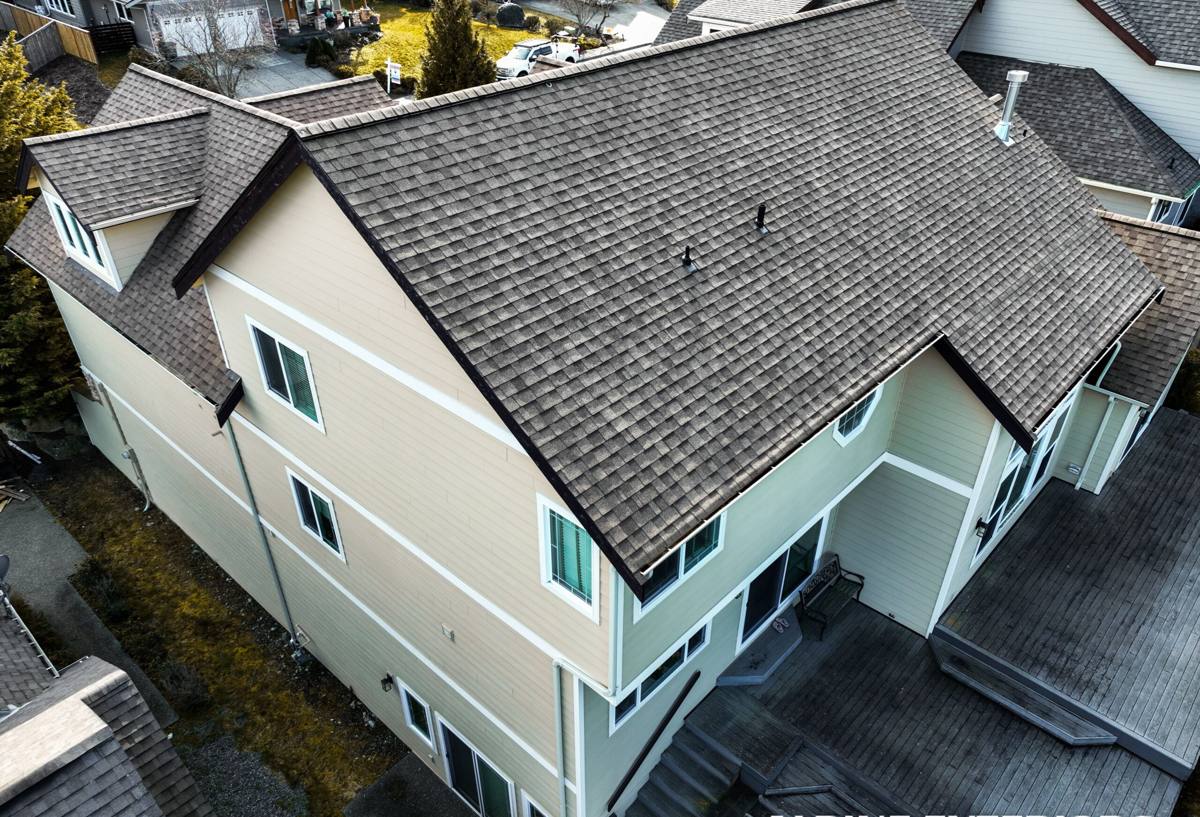
What a Correct Custom Window Installation Involves
"Custom" doesn't just mean a non-standard size or shape — it means the window and the installation are matched to the actual opening, the actual wall assembly, and the actual weather exposure of that specific side of the house. That matters more here than in drier climates, because there's less room for shortcuts before water finds a way in.
Flashing and Moisture Management
This is the part of the job that doesn't show once the trim goes back on, and it's the part that decides whether the window lasts. A proper install means a sloped sill pan so any water that gets past the glass drains back out instead of pooling, flashing tape integrated correctly with the house wrap so water sheds down and over rather than behind it, and head flashing above the window to break up water running down the siding. Skip any one of these steps and you're relying entirely on caulk to keep water out — and caulk is a maintenance item, not a permanent seal.
Glass and Energy Performance
For our climate, the glass package matters for two reasons: keeping heat in during the cold, wet months, and resisting condensation on the inside face of the glass when warm indoor air meets a cold pane. Low-E coatings and argon or krypton gas fill both help with the first. A well-sealed, properly sized unit helps with the second — condensation on the glass itself is usually a sign the window is working; condensation between the panes means the seal has already failed.
Fit, Shimming, and Sealing
A window that's shimmed level and square, insulated properly around the frame (not overpacked, which can bow the frame), and sealed with a sealant rated for our temperature and moisture swings will perform for decades. Rushed installs skip the shimming step or use whatever caulk is on the truck, and that's where drafts and early failures start.
Choosing a Window Material That Holds Up Here
There's no single "best" window material — the right choice depends on the exposure, the style of the home, and how much upkeep you want to take on. Here's how the common options actually perform in a Renton/King County setting:
| Material | Moisture Resistance | Maintenance | Typical Lifespan |
|---|---|---|---|
| Vinyl | Very good — won't rot, doesn't need painting | Low — occasional cleaning | 20-30 years |
| Fiberglass | Excellent — dimensionally stable in temperature swings | Low | 30-40+ years |
| Wood-clad | Good on the exterior clad side; interior wood needs protection from indoor humidity | Moderate — periodic sealant checks | 20-30 years with upkeep |
| Aluminum | Fair — prone to condensation without a thermal break | Low | 20-30 years |
For homes with heavy weather exposure — west- or south-facing walls that take the brunt of driving rain, or homes closer to the water where salt air is a bigger factor — we lean toward materials and finishes that don't depend on regular repainting or resealing to keep moisture out. For homes where the priority is matching a historic or traditional look, wood-clad can still be the right call, it just needs an honest conversation about the maintenance that comes with it.
Signs Your Renton Home's Windows Need Attention
Some of these show up gradually, so it helps to know what to look for before a small problem becomes a wall repair:
- Fogging or a permanent haze between the panes (the seal has failed and can't be fixed — the glass unit needs replacing)
- Visible moss, algae, or dark staining on the sill or lower frame
- Soft or spongy wood around the frame or sill when pressed
- Noticeable drafts near the window even when it's fully latched
- Windows that are hard to open, close, or lock, or that have started to sag
- Paint or finish peeling or bubbling on the interior sill or trim
- Condensation on the inside of the glass that lingers well after the room warms up
- A musty smell near the window that doesn't clear with ventilation
Any one of these on its own might just need a repair. Several at once, or any sign of soft wood, usually means it's time to talk about replacement before the damage spreads into the wall framing.
Our Process for a Renton Window Job
- On-site assessment of the existing windows, the wall assembly behind them, and any moisture or rot already present
- Precise measurement of each opening — custom sizing rather than forcing a stock size into an odd or older opening
- Careful removal of the old window and inspection of the sill, header, and framing for hidden water damage
- Repair of any rot or damaged framing found before the new window goes in — this step gets skipped by crews in a hurry, and it's the one that matters most
- Installation of sill pan flashing, window, and head flashing integrated with the existing house wrap or building paper
- Shimming, insulating, and sealing the unit properly on all sides
- Interior and exterior trim work finished to match the home
- Final walkthrough and operation check on every window before we consider the job done
Why Hiring a Crew That Already Works in Renton Matters
Window work here isn't the same as window work in a dry climate, and it isn't quite the same as window work in every corner of the Seattle area either. A crew that's done this work across King County knows the housing stock — the mix of older homes with original single-pane wood windows, mid-century construction, and newer builds — and knows which older homes are more likely to have hidden moisture issues behind the trim before the first window even comes out. That experience means fewer surprises mid-job and a better read on what a given opening actually needs.
It also matters for scheduling. Window replacement goes faster and cleaner in a dry stretch of weather, and a crew working this region regularly knows how to plan around our wet season instead of getting caught mid-install when the rain rolls back in.
Keeping Windows Performing Through Moss Season
Even a correctly installed window benefits from a little upkeep in this climate. A few habits go a long way:
- Clear moss and debris off sills and tracks before it holds moisture against the frame
- Keep weep holes (the small drainage openings on the exterior sill) clear so water can drain out instead of pooling
- Check exterior caulk lines once a year, typically before the wet season sets in, and re-seal any cracked or missing sections
- Keep gutters clear so overflow isn't running down the wall and over the windows
- Trim back vegetation that's shading a window and keeping it damp longer than the rest of the house
What Affects the Cost
Custom window pricing varies more than people expect, mostly because "custom" covers a wide range of situations. The main factors:
- Whether it's a straightforward replacement in a healthy opening, or a full-frame replacement with rot repair
- The material — vinyl and fiberglass are typically less expensive up front than wood-clad
- Glass package — double-pane versus triple-pane, and any upgraded coatings
- Size, shape, and whether the window is a standard operating style or something custom-shaped
- Number of windows done at once — bundling several openings into one job usually costs less per window than doing them one at a time
We won't know real numbers for your home until we've seen the openings in person, but we'll always walk you through what's driving the cost before any work starts.
If your Renton home's windows are fogging, drafty, or just past their prime, we're happy to take a look and give you a straight answer on what it needs. Fill out the form below for a free, no-pressure estimate — there's no obligation, just an honest assessment of your windows and what it would take to get them right.