 Seattle Exterior
 Capitol Hill Roofs Carry a Different Kind of Wear
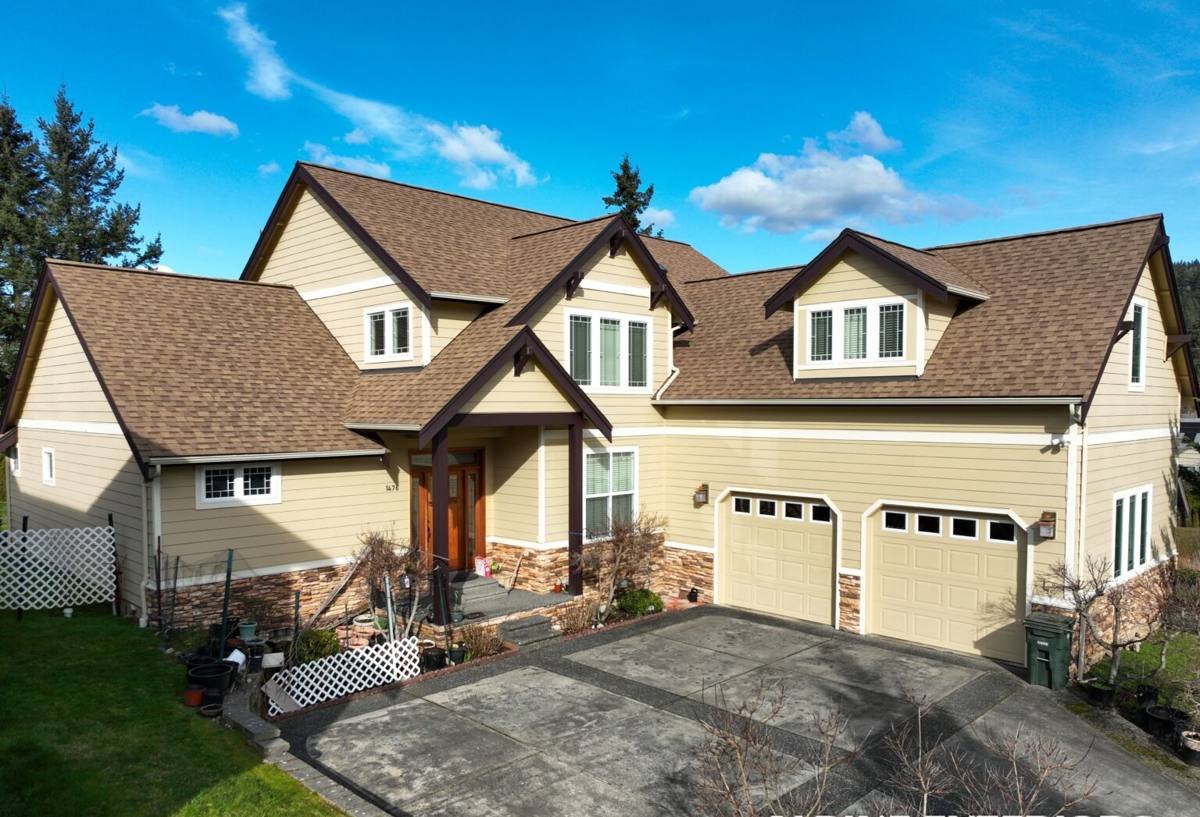
Capitol Hill is one of Seattle's older, denser neighborhoods, and that shows up in its rooflines. Craftsman bungalows, Victorian-era homes, and multi-unit buildings sit close together under mature street trees, many with steep pitches, dormers, and multiple roof planes that were common when these homes were built. That kind of roof geometry has more valleys, more flashing details, and more places for water and debris to collect than a simple gable roof. Add in King County's wet season, and small maintenance issues on a Capitol Hill roof tend to turn into leaks faster than they would on a newer, simpler roof elsewhere.
We repair roofs across Seattle, but Capitol Hill's mix of older construction, tree cover, and tight lot lines means the repairs here have a pattern to them. Knowing that pattern is what separates a patch that holds for a season from a repair that actually lasts.
What Salt Air, Driving Rain, and Moss Do to a Roof Here
Moss and Organic Growth
Capitol Hill's tree canopy is part of what makes the neighborhood pleasant to live in, but it's hard on a roof. Overhanging branches keep shaded sections of roofing damp long after the rest of the roof has dried, and that constant moisture is exactly what moss and algae need to take hold. Once moss establishes itself, it doesn't just sit on the surface — it works into the gaps between shingles or shakes, holding water against the roof deck and slowly lifting material as it grows. On older comp shingle roofs especially, a heavy moss mat can shorten the life of the roofing by years if it isn't addressed.
Wind-Driven Rain and Flashing
Seattle's rain is rarely a hard downpour, but it's frequent and often comes in sideways during winter storms off the Sound. That kind of driving rain finds weaknesses that a straight-down rain never would — it pushes up under shingle edges, through hairline gaps in step flashing along chimneys and dormers, and into any spot where sealant has dried out or pulled away. On the older, more complex roofs common in Capitol Hill, there are simply more flashing joints and transitions where this can happen, which is why leaks here often show up at valleys, chimneys, and dormer walls rather than in the open field of the roof.
Salt Air and Metal Components
Capitol Hill sits close enough to Puget Sound that salt-laden air is a factor, particularly on exposed metal — flashing, gutters, vent caps, and fasteners. Salt air accelerates corrosion on unprotected or lower-grade metal over time, which is why the condition of flashing and metal fasteners is one of the first things we check on any repair call in this part of the city.
Common Roof Repair Calls We See in Capitol Hill
- Moss-related shingle lifting and granule loss, especially on north-facing or tree-shaded slopes
- Leaks at chimney and dormer flashing on older, multi-plane roofs
- Clogged or overflowing gutters and downspouts from leaf and needle debris, backing water up under the roof edge
- Deteriorated pipe boot seals (the rubber collar around plumbing vents) letting water into the attic
- Cracked or dried-out sealant at valleys and roof-to-wall transitions
- Wind-lifted or missing shingles after winter storms, particularly on exposed upper stories
- Soft or stained roof decking discovered during an interior ceiling leak investigation
What a Correct Roof Repair Actually Involves
Not all "roof repair" means the same thing. A quick surface patch can stop a leak for a while, but if it doesn't address what let the water in — or what's underneath the visible damage — it's often a temporary fix. Here's the difference in approach:
| Quick Patch | Correct Repair |
|---|---|
| Seals the visible symptom (a crack, a gap) | Traces the leak path back to its actual entry point |
| Adds sealant or caulk over old flashing | Removes and replaces damaged or corroded flashing |
| Leaves the roof deck unchecked | Inspects decking underneath for soft spots or rot before closing it back up |
| Matches shingles loosely by eye | Matches shingle type, color, and exposure to blend with the existing roof |
| No follow-up on surrounding moss or debris | Addresses nearby moss growth and drainage so the same spot doesn't fail again |
The second column is what we consider a real repair. It costs a bit more time up front, but it's the difference between fixing a roof and postponing the problem.
Our Repair Process
- Inspection. We look at the reported problem area first, then check the whole roof — valleys, flashing, vents, and gutters — since one leak often points to a second issue nearby, especially on older, multi-plane roofs.
- Diagnosis and explanation. We walk you through exactly what's failing and why, in plain terms, before any work starts. If it's a small, isolated issue, we'll tell you that too — not every call needs a major repair.
- Repair. We remove and replace the actual damaged materials — shingles, flashing, boots, or decking — rather than layering sealant over a problem. Materials are matched to your existing roof as closely as possible.
- Moss and debris treatment. If moss or debris buildup contributed to the failure, we clear it from the repair area and, where useful, recommend a treatment approach to slow regrowth.
- Final check. We confirm the repair is watertight and take you through what we found and fixed before we consider the job done.
Repair or Replace? How We Help You Decide
Most calls we get are legitimately repairable. But on an older Capitol Hill roof nearing the end of its service life, an honest assessment sometimes points toward replacement instead. We'll never push a full replacement when a repair will genuinely hold — but we also won't recommend patching a roof that's failing broadly, since repeated repairs on a worn-out roof end up costing more over time than doing it right once.
| Factor | Leans Toward Repair | Leans Toward Replacement |
|---|---|---|
| Roof age | Well within expected lifespan for the material | At or past typical service life |
| Extent of damage | Isolated to one area | Spread across multiple slopes |
| Decking condition | Solid, no rot found | Soft or water-damaged in several spots |
| Moss history | Recently developed, treatable | Long-term, widespread, recurring |
| Prior repairs | First or second repair on this roof | Long history of patch after patch |
Signs You Need a Roof Repair Now
- Water stains or a wet spot spreading on a ceiling, especially after a storm
- Visible moss mats or thick green-black staining on shingles
- Shingles that are curling, cracked, or missing granules in patches
- Gutters overflowing during rain even when they were recently cleared
- Daylight visible through the roof deck from inside the attic
- Sagging or soft-feeling spots when walking the roof edge or attic floor
- Rust streaks or corrosion around metal flashing and vent caps
If you notice any of these, it's worth having someone look before the next round of driving rain finds the weak spot. Small leaks on Capitol Hill's older, more complex roofs rarely stay small once winter storms set in.
Why a Crew That Already Works Capitol Hill Matters
Capitol Hill's housing stock isn't uniform — a repair approach that works on a simple gable roof in a newer part of Seattle doesn't always translate to a century-old Craftsman with a steep, multi-plane roof and original flashing details. A crew that regularly works this neighborhood knows what to expect from its older roof framing, understands how tree cover and moss behave on shaded north-facing slopes, and is used to working carefully on tight lots where houses sit close to their neighbors. That familiarity shows up in fewer surprises once a repair is underway and a better match between the fix and the roof it's going onto.
Simple Maintenance That Extends a Capitol Hill Roof's Life
Between repairs, a few habits go a long way in this climate:
- Clear gutters and downspouts at least twice a year, more often under heavy tree cover
- Trim back branches that overhang or touch the roof to reduce shade and debris buildup
- Have moss growth addressed early, before it works into the shingle layers
- Walk the attic after major storms to check for new staining or damp insulation
- Get flashing and sealant checked every few years, since it wears out well before the shingles do
If you're seeing signs of a leak, dealing with moss buildup, or just want an honest look at where your roof stands, we're glad to come take a look. Use the form below to request a free, no-pressure estimate for roof repair in Capitol Hill.