 Seattle Exterior
 Why Fremont Roofs Wear Differently Than You'd Expect
Fremont is one of Seattle's older, denser neighborhoods, with a mix of early-1900s bungalows, mid-century additions, and newer infill homes tucked close together under a heavy tree canopy. That combination creates a specific set of problems for roofs. Mature trees drop needles and leaves that trap moisture against shingles. Lack of direct sun on shaded, north-facing slopes lets moss and algae get a foothold and never fully dry out. And because Seattle sits on Puget Sound, homes throughout King County deal with a steady dose of salt-tinged, moisture-laden air that accelerates corrosion on fasteners, flashing, and metal roofing components over time.
None of this means Fremont homes need exotic materials or unusual construction. It means the details that get skipped on a rushed job — proper ventilation, correct underlayment, flashing sized for driving rain rather than light drizzle — matter more here than they would in a drier climate. A roof replacement done right for this neighborhood is built around water management first, appearance second.
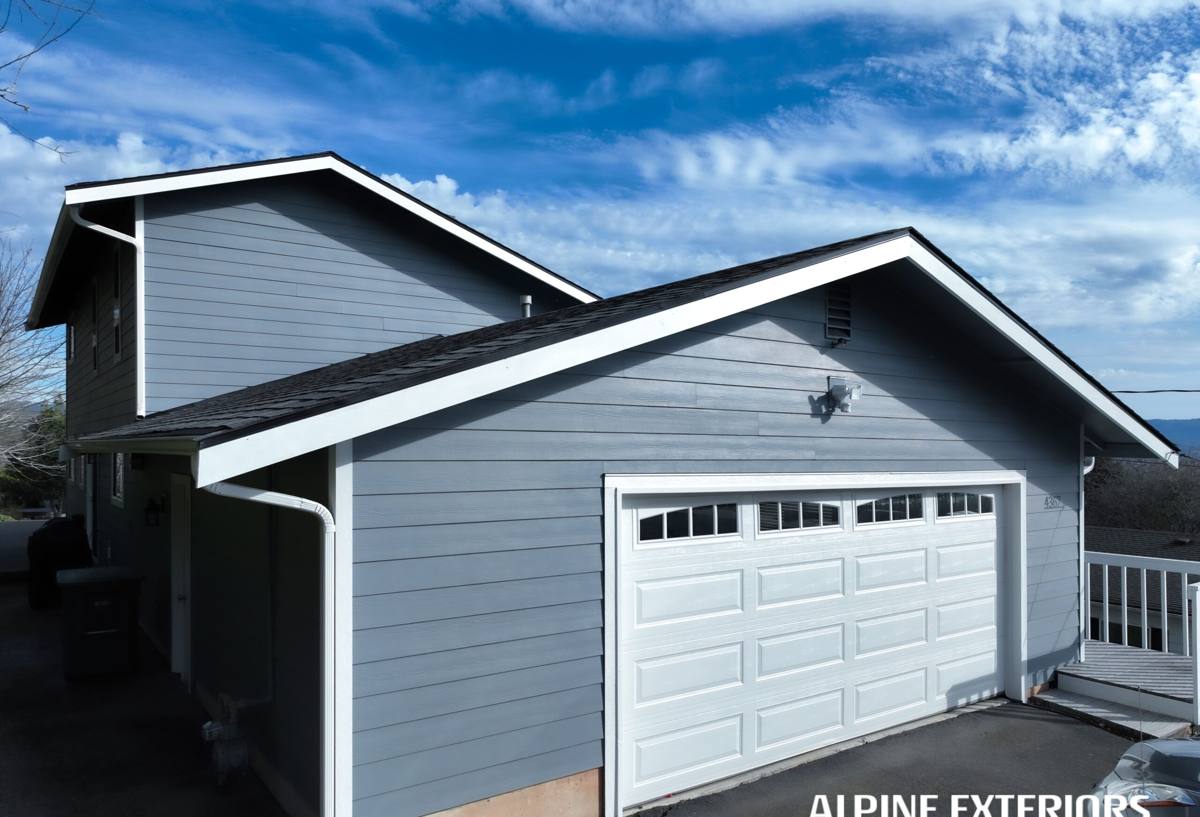
Signs a Fremont Roof Is Due for Replacement, Not Another Repair
Most roofs give warning signs well before they fail outright. The trouble is that in a wet climate, some of those signs look like ordinary weathering until they aren't. Here's what we look for when we're deciding whether a repair still makes sense or whether replacement is the honest recommendation.
- Shingles that are cupping, curling at the edges, or missing granules in patches, especially on shaded or moss-prone slopes
- Moss or algae growth that keeps coming back within a season or two of cleaning
- Soft or spongy decking felt underfoot in the attic, or daylight visible through the roof deck
- Water stains on interior ceilings or in the attic near valleys, chimneys, or skylights
- Flashing around chimneys, vents, or dormers that's rusted, lifted, or was never properly step-flashed
- A roof approaching or past 20-25 years old (for asphalt) with no record of major maintenance
- Rising energy bills that point to failing attic insulation or ventilation, not just the roof surface
If you're only seeing one or two of these and the roof deck underneath is still sound, a repair is often the right call and we'll say so. Replacement becomes the honest answer once the underlying deck, flashing, or ventilation system is compromised, because at that point patching the surface just delays a bigger problem.
Materials That Actually Hold Up in Seattle's Climate
Every roofing material sold in the Pacific Northwest is marketed as weather-resistant. In practice, how well it performs in Fremont's specific conditions — long wet seasons, filtered sun, salt-bearing air — depends on installation quality as much as the product itself. Here's how the common options compare for a King County home.
| Material | Moss & Moisture Resistance | Typical Lifespan Here | Trade-offs |
|---|---|---|---|
| Architectural asphalt shingles | Good with proper ventilation and algae-resistant granules | 20-30 years | Most affordable; needs periodic moss treatment on shaded slopes |
| Standing seam metal | Excellent shedding, but fasteners and cut edges need corrosion-rated hardware near the Sound | 40-50+ years | Higher upfront cost; installation sensitivity is high — seams and fastener choice matter |
| Composite/synthetic shake | Very good; doesn't absorb moisture like wood | 30-40 years | Mid-to-upper cost; appearance varies by manufacturer |
| Cedar shake | Requires the most upkeep in a wet, shaded climate | 20-30 years with regular maintenance | We're honest with clients that cedar's ongoing maintenance burden and moisture behavior under heavy tree cover make it a demanding choice here, not a failure of the product itself |
For most Fremont homes, we steer clients toward architectural asphalt or composite shake as the practical middle ground — strong moisture performance without the maintenance schedule that cedar or the fastener sensitivity that metal roofing demands. That's a recommendation based on trade-offs, not a claim that any option is defective.
Underlayment and Flashing Matter as Much as the Surface Material
Driving rain in this region doesn't just fall straight down — wind pushes it sideways and under shingle edges. That's why we install synthetic or self-adhering underlayment rated for wind-driven rain, not the minimum builder-grade felt, and why every valley, chimney, and vent penetration gets step or counter flashing sized for actual water volume rather than code minimums. A roof surface can look correct from the ground while the water management underneath it is inadequate; that gap is where most leaks in this area actually start.
What a Correct Roof Replacement Actually Involves
A full replacement is more than swapping old shingles for new ones. Done properly, it includes:
- Complete tear-off of the old roofing down to the deck, not an overlay — overlays trap moisture and hide deck damage
- Deck inspection and repair, replacing any plywood or sheathing that's soft, delaminated, or water-damaged
- Ice-and-water shield at eaves, valleys, and penetrations, where wind-driven rain and moss debris cause the most repeat failures
- Full synthetic underlayment across the deck for a secondary water barrier
- New flashing at every chimney, skylight, vent, and wall intersection — reused old flashing is a common source of "mystery leaks" after a cheap re-roof
- Balanced ventilation — intake at the eaves, exhaust at the ridge — sized correctly for the attic volume
- Material installation per manufacturer specification, which is what keeps material warranties valid
- Cleanup and gutter check, since a new roof performs poorly if it's draining into clogged or undersized gutters
Ventilation: The Step Most Often Skipped
Attic ventilation doesn't get much attention because it's invisible once the roof is finished, but it's one of the biggest factors in how long a roof lasts in this climate. Without balanced intake and exhaust airflow, moisture from daily living — showers, cooking, laundry — rises into the attic and condenses against the cold roof deck, especially during Seattle's long, cool, wet stretches. Over years, that trapped moisture rots decking from the inside, feeds mold growth, and shortens shingle life regardless of how good the shingles are. Correcting ventilation during a replacement is far cheaper than doing it as a standalone project later, since the deck and roofline are already open.
Our Roof Replacement Process
We keep the process straightforward and communicate at each stage, since a roof replacement is disruptive and homeowners deserve to know what's happening and when.
- On-site assessment: we inspect the existing roof, attic, and deck condition in person before quoting anything
- Written estimate: a clear scope of work and materials, not a vague lump-sum number
- Scheduling around weather: we plan tear-off days around dry windows where possible and use dry-in protection if conditions shift mid-project
- Tear-off and deck inspection: old materials removed, deck condition confirmed and photographed before covering it back up
- Installation: underlayment, flashing, ventilation, and finish material installed to manufacturer spec
- Final walkthrough: we review the completed work with you and cover warranty documentation
Daily cleanup, including magnetic sweeps for stray nails around driveways and walkways, is standard on every job, not an upsell.
Permits and Local Considerations in Fremont and Seattle
Roof replacements in Seattle typically require a permit through the city, and King County has its own requirements for unincorporated areas nearby. Fremont's mix of older homes and closely spaced lots also means access, staging, and neighbor coordination often need more planning than a suburban job would — narrow driveways, street parking, and mature trees overhanging the roofline all factor into how a crew stages material delivery and debris removal. A contractor who's worked in the neighborhood before knows to plan for this upfront rather than discovering it on tear-off day.
Why Hiring a Crew That Already Works in Fremont Matters
Roofing crews unfamiliar with this specific pocket of Seattle sometimes underestimate two things: how much shade certain streets get year-round, and how much that shade drives moss regrowth and slows drying time after storms. A crew that already works Fremont regularly has a working sense of which slopes need extra ventilation attention, which older homes are more likely to have undersized original ventilation, and how to sequence a job around the neighborhood's parking and access realities. That local experience shows up less in the sales pitch and more in the parts of the job nobody sees once the roof is closed up — the flashing details, the deck repairs, the ventilation balance.
Protecting Your Investment After Replacement
A new roof still needs basic upkeep to reach its full lifespan in this climate. We recommend a moss check and gutter clearing at least once a year, ideally after the fall leaf drop and before the heaviest winter rains set in. Trimming back tree limbs that overhang the roofline reduces both debris buildup and moss regrowth. Keep an eye on attic ventilation vents to make sure they stay clear of insulation or debris, since a blocked vent undoes the benefit of a properly ventilated system. None of this is intensive work, but skipping it is the most common reason a well-installed roof underperforms its expected lifespan.
If your roof in Fremont is showing its age, or you just want a straight answer about whether repair or replacement makes more sense for your home, we're happy to take a look. There's no pressure and no obligation — just a clear, honest assessment and a written estimate you can use to make the decision on your own timeline. The form below is the fastest way to get started.