 Seattle Exterior
 Windows Work Harder in University District's Climate Than Most Homeowners Realize
University District sits inside one of the wetter, greyer stretches of the year that defines life in Seattle and greater King County. Long stretches of driving rain, damp marine air moving in off Puget Sound, and a moss season that can run from early fall well into spring all put steady pressure on a home's windows — not just the glass, but the frames, the sills, and the seals around them. A window that would perform fine in a drier inland climate can start failing here years ahead of schedule if it wasn't built or installed with this weather in mind.
Energy efficiency in this context isn't just about a lower heating bill, though that matters. It's about whether a window can shed water instead of holding it, whether the seal around the glass stays intact through repeated wet-dry cycles, and whether moisture that does get in has anywhere to go. Get those things right and an energy-efficient window will also be a durable one. Get them wrong and you end up with fogged glass, soft wood, and drafts within a handful of years, energy-efficient rating or not.
The Housing Stock in University District Shapes the Work
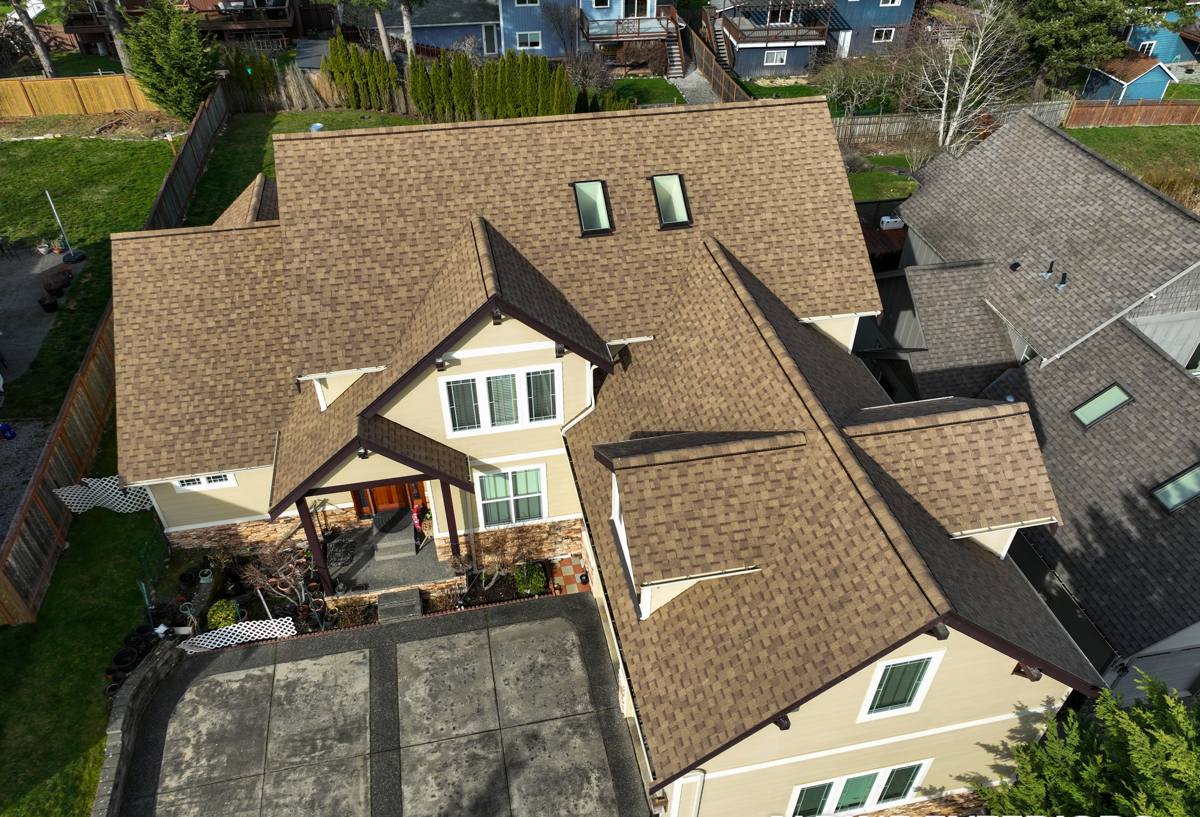
Like many close-in Seattle neighborhoods, University District has a lot of older housing — bungalows, Tudor-style homes, and early-to-mid-century construction mixed in among newer infill and multi-family buildings near the university. That mix matters for window work. Original wood-frame windows from that era were often well-built for their time, but single-pane glass and decades of paint, settling, and weather exposure mean they're rarely doing much for energy efficiency today, even when they still look presentable.
Older frames also mean older openings — rough openings that have shifted slightly, sills that may have some hidden rot, and trim details that a generic replacement window won't match without extra care. Homes near mature street trees, which are common throughout the neighborhood, tend to get more shade and slower drying on north- and east-facing walls, which is exactly where moss and mildew take hold first around window tracks and sills. Any energy-efficient window project here has to account for the specific opening it's going into, not just the product going in.
What This Means Practically
- Existing openings often need minor repair or resizing before a new window will seal properly
- Wood sills and trim in shaded, moss-prone areas deserve a close look before, not after, installation
- Matching sightlines and trim profiles matters more on older homes with visible original detailing
- Multi-family and rental properties near campus may have different priorities (durability, low maintenance) than owner-occupied single-family homes
What "Energy-Efficient" Actually Means for a Window
The term gets used loosely, so it helps to know what's actually being measured. Two numbers do most of the work:
- U-factor — how well the window resists heat loss. Lower is better. This is the number that matters most for our wet, mild-but-chilly winters.
- Solar Heat Gain Coefficient (SHGC) — how much solar heat passes through the glass. In a climate with as little direct winter sun as ours, this matters less than in sunnier regions, but it still affects comfort on the west and south sides of a house in summer.
Beyond the glass performance numbers, the frame material and the quality of the installation determine how well those numbers hold up over time. A window with excellent lab-tested ratings that's installed with a poor weather seal will still leak air and, eventually, water.
Frame Material Comparison for Pacific Northwest Conditions
| Frame Material | Moisture Resistance | Maintenance | Notes for This Climate |
|---|---|---|---|
| Vinyl | Good — won't rot | Low | Solid value option; quality varies a lot by manufacturer and welded-corner construction |
| Fiberglass | Very good | Low | Expands/contracts close to glass, which helps seal longevity through wet-dry cycles |
| Wood (unclad) | Requires upkeep | High | Attractive, matches historic character, but needs regular paint/finish maintenance to resist our rain and humidity |
| Wood-clad (vinyl or aluminum exterior) | Good | Moderate | Combines interior wood look with a weather-resistant exterior shell; a common middle-ground choice on older homes here |
| Aluminum | Poor (thermally) unless thermally broken | Low | Without a thermal break, aluminum conducts cold and invites condensation — we don't recommend it for this climate |
Signs Your Current Windows Are Losing the Battle
Most homeowners don't wake up and decide they need new windows — they notice small things that add up. In this climate, a few signs show up earlier and more clearly than others:
- Condensation forming between the panes (a sign the seal has failed and the gas fill is gone)
- Persistent fogging or a hazy film that won't clean off the inside of the glass
- Visible moss or dark staining building up in the tracks or on the sill, especially on shaded sides of the house
- Drafts you can feel near the frame on windy, rainy days
- Windows that stick, won't stay open, or are hard to lock tightly
- Soft or spongy wood at the sill or lower corners of the frame
Any one of these on its own might just need attention. Several together, especially on a home with original or aging windows, usually means it's time to talk about replacement rather than repair.
What a Correct Installation Actually Involves
In a drier climate, a sloppy window installation might go unnoticed for a decade. Here, it shows up fast — usually as a stain on the interior wall or a soft spot in the siding within a season or two of heavy rain. The installation details matter as much as the window itself.
The Details We Don't Skip
- A properly sloped sill pan so any water that gets past the exterior sheds outward, not into the wall cavity
- Correct flashing sequencing (behind the building paper or house wrap above, over it below) so water is directed out, not trapped in
- Backer rod and quality exterior sealant at the right joints — not sealant used as a substitute for proper flashing
- Shimming the unit level, plumb, and square so the sash operates correctly and the weatherstripping seals evenly all the way around
- Insulating the gap between the frame and the rough opening without overpacking it, which can bow the frame
- Matching interior and exterior trim so the finished look doesn't stand out from the rest of the house
Skipping any one of these doesn't necessarily fail on day one. It fails quietly, over a wet winter or two, in a way that's much more expensive to fix once it's hidden behind new siding or interior trim.
Our Process for a University District Window Project
We approach every window job the same methodical way, whether it's two windows on a rental property or a full replacement on an older single-family home.
- On-site assessment — we look at existing frames, sills, and any signs of water intrusion or wood damage before recommending anything
- Honest product recommendation — frame material and glass package based on your home's exposure, budget, and the look you want, not a one-size-fits-all pitch
- Accurate measurement — old openings are rarely perfectly square, and we account for that up front
- Installation with attention to the weatherproofing details above — this is where most of the long-term performance actually comes from
- Final check and cleanup — operation, seal, and sightlines checked before we consider the job done
Choosing the Right Window for Your Home's Character
University District's older homes often have specific window proportions and trim details that are part of what gives the house its character — tall, narrow sashes on a bungalow, divided lites on a Tudor-style home, and so on. A generic big-box replacement window can technically improve your energy efficiency while still looking out of place on the house. We try to match proportions, grille patterns, and exterior color so the upgrade reads as an improvement, not a mismatch.
It's also worth checking whether your property has any historic designation or is in an area with additional design review before ordering anything — that's a quick conversation up front that avoids problems later. Newer construction and multi-family buildings have more flexibility, but current Seattle energy code requirements still apply and are worth factoring into product selection either way.
What Affects the Cost of a Window Project
Every home is different, so we won't quote a number without seeing the job, but these are the main factors that move the price up or down:
| Factor | Why It Matters |
|---|---|
| Frame material chosen | Vinyl, fiberglass, and wood-clad options sit at different price points |
| Condition of existing openings | Rot repair or resizing adds labor beyond a straightforward swap |
| Number and size of windows | Larger jobs typically bring a lower per-window cost |
| Glass package (Low-E coatings, gas fill, number of panes) | Higher-performance glass costs more but pays back over time in comfort and energy use |
| Access and site conditions | Second-story windows, tight side yards, or dense landscaping can add time |
| Interior/exterior trim matching | Custom trim work on older homes takes more time than a standard cased opening |
Why It Helps to Hire a Crew That Already Knows This Neighborhood
A crew that's worked windows throughout Seattle and King County has already seen how this climate treats different products and installation shortcuts over time. That experience shows up in small decisions — flagging a sill that looks fine but is starting to soften, knowing which trim details are worth preserving on an older home, or simply not being surprised by an opening that isn't quite square. It also means showing up prepared for the weather itself: driving rain doesn't pause a project on a fixed schedule, and knowing how to sequence the work around it protects your home's interior during construction.
None of this requires exotic products or upsells. It just means the difference between a window that performs well for twenty-plus years in this climate and one that looks fine on install day but starts giving you trouble by the third wet winter.
If you're weighing whether it's time to replace aging windows or want a straight answer on what a project would actually involve for your home, we're happy to take a look and walk you through it. Reach out for a free, no-pressure estimate — there's a form right below this page to get started.