 Seattle Exterior
 Windows Built for Wallingford's Weather, Not Just Its Walls
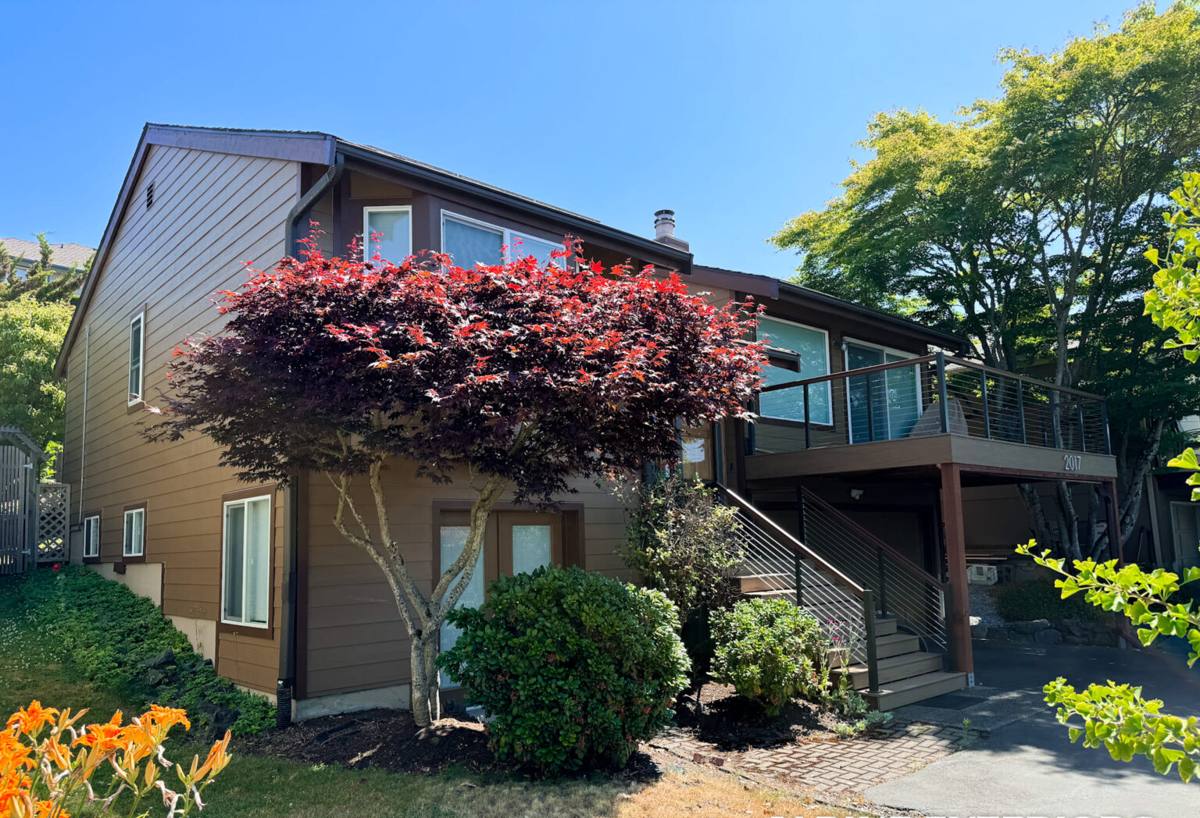
Wallingford's mix of older bungalows, Craftsman-era homes, and updated mid-century houses all share one problem: they were framed for a climate that's gotten wetter and windier over the decades they've stood. Seattle's marine air pushes moisture into every gap a window has, and King County's long wet season doesn't give wood, vinyl, or seals much of a break to dry out between storms. A custom window job here isn't about picking a style off a shelf — it's about matching the window, the frame, and the installation method to a house that's already been fighting damp air for fifty or a hundred years.
When we talk about "custom" windows for a neighborhood like Wallingford, we mean sized and detailed for that specific house — non-standard openings in older framing, matching original trim profiles, and choosing glass and frame materials that actually hold up to driving rain and salt-tinged air moving in off the Sound. Off-the-shelf replacement windows can work fine in newer construction with square, standard openings. Older Wallingford homes rarely have that luxury.
What Seattle's Climate Actually Does to a Window
Driving rain and wind-driven moisture
Seattle doesn't get the sheet-downpours some regions do, but it gets something arguably harder on windows: long stretches of steady, wind-driven rain that comes in at an angle. That kind of weather finds every weak point in a window's seal and flashing detail. A window that's rated fine on paper can still leak if the flashing behind the trim wasn't done correctly, and in older Wallingford houses, decades-old flashing (or none at all) is common.
Moss and organic growth season
King County's mild, wet winters mean moss and algae don't just grow on roofs — they take hold on window sills, exterior trim, and anywhere water sits instead of shedding. Once organic growth gets a foothold on wood trim or sill material, it holds moisture against the surface and accelerates rot. Good window work factors this in with sill design and material choices that shed water instead of trapping it.
Salt air and coastal proximity
Being near Puget Sound means a measure of salt content in the air, especially on windier days. That's harder on exposed metal hardware, fasteners, and certain finishes than homeowners further inland typically deal with. It's a small factor next to rain and moss, but it adds up over the life of a window and is worth accounting for in hardware and finish selection.
Signs a Wallingford Home Needs Window Attention
- Visible gaps, soft spots, or peeling paint around window trim or sills
- Moss, black streaking, or green growth building up on sills or exterior casing
- Drafts you can feel near the window frame on windy days
- Condensation forming between panes (a sign the seal has failed on double- or triple-pane units)
- Windows that are difficult to open, close, or lock — often a sign the frame has shifted or swelled
- Noticeably higher heating bills without another clear cause
- Wood trim that feels spongy or discolored when pressed
What a Correct Custom Window Job Involves
Accurate measurement and opening assessment
Before anything is ordered, the opening itself needs to be checked — not just measured for width and height, but assessed for square, level, and the condition of the framing behind the existing window. Many older Wallingford homes have settled slightly over the decades, which means openings are rarely perfectly square. Custom sizing accounts for that instead of forcing a standard unit into a non-standard space.
Frame and glass selection suited to the exposure
Not every window on a house faces the same conditions. A window on the weather side of a home — typically west or southwest-facing in this region — takes more direct wind-driven rain than one tucked under an eave or facing an interior courtyard. We factor in which elevation a window sits on when recommending frame material, glass package, and weatherstripping.
Flashing and moisture management
This is where most window failures actually originate — not in the window unit itself, but in how it's tied into the wall's moisture barrier. Correct flashing directs water down and out and away from the framing, not behind the trim where it can sit against wood. This step matters more in a climate like Seattle's than almost anywhere else in the country, and it's the step that's easiest to shortcut if a crew isn't used to doing it right.
Sealing, insulation, and interior finish
Once the window is set and flashed, the gap between the frame and the rough opening needs to be insulated and air-sealed properly — not just stuffed with material — and the interior and exterior trim finished to match the home's existing look, which matters a lot on a Craftsman or older bungalow where original trim profiles are part of the home's character.
Comparing Common Frame Materials for This Climate
| Material | Moisture Performance Here | Maintenance | Best Fit |
|---|---|---|---|
| Fiberglass | Excellent — stable in wet/dry cycles, resists swelling | Low | Most Wallingford homes, especially weather-exposed sides |
| Vinyl | Good, but can expand/contract with temperature swings | Low | Budget-conscious replacements on less-exposed elevations |
| Wood (clad exterior) | Good if exterior cladding is intact; interior wood look preserved | Moderate | Historic-character homes wanting original wood interior |
| Aluminum | Prone to condensation and heat transfer in our damp climate | Moderate to high | Rarely our first recommendation for this region |
None of these is universally "best" — the right call depends on the specific elevation, the home's age, and how much the homeowner wants to match existing trim versus prioritize low upkeep. We walk through these trade-offs honestly rather than pushing one material for every job.
Why Local Experience in Wallingford Specifically Matters
A crew that regularly works in Wallingford already has a working knowledge of the housing stock here — the common window openings on older bungalows, the trim styles worth matching, and the parts of King County's building requirements that apply to window replacement in older structures. That means fewer surprises once a wall is opened up, and fewer return trips because a detail specific to this kind of house was missed the first time.
It also means we're not guessing about which elevations take the worst weather. Wind and rain patterns off the Sound behave differently street to street depending on tree cover, elevation, and orientation, and a crew that's done this work across the neighborhood has a feel for that.
Our Process, Start to Finish
1. On-site assessment
We look at the actual openings, framing condition, and current window performance — not just take measurements over the phone.
2. Honest recommendation
We'll tell you which windows need full replacement now, which can wait, and which issues are cosmetic versus structural. We're not going to recommend replacing every window on the house if only a few are actually failing.
3. Custom ordering
Non-standard openings get windows built to fit, rather than forcing a standard size into a space that isn't standard.
4. Correct installation
Proper flashing, air-sealing, and insulation — the parts that determine whether the window performs for the next twenty years or leaks in three.
5. Finish work
Interior and exterior trim matched to the home's existing look, cleaned up, and left ready to paint or finish as needed.
What Affects Cost
Every home is different, but a few factors consistently move the price on custom window jobs in this area:
| Factor | Why It Matters |
|---|---|
| Opening size and shape | Non-standard or out-of-square openings require custom-built units, which cost more than stock sizes |
| Number of windows | Per-window cost typically drops when multiple units are done in one project |
| Frame material | Fiberglass and clad-wood units generally cost more upfront than vinyl but hold up longer in wet climates |
| Condition behind the existing window | Rot or water damage discovered during removal adds repair work beyond the window itself |
| Trim complexity | Matching original Craftsman or historic trim profiles takes more labor than standard trim |
Rather than quote a number that doesn't reflect your actual house, we'd rather walk the property first and give you a real range based on what we see.
Get a Straight Answer on Your Windows
If you're dealing with drafts, visible moss or staining on your sills, or windows that just don't seem to keep the weather out the way they used to, it's worth having someone look before winter rain sets in again. We'll give you a straightforward, no-pressure estimate on what your Wallingford home actually needs — use the form below to get started.