 Seattle Exterior
 Why West Seattle Roofs Wear Differently
West Seattle sits out on its own peninsula, wrapped by Puget Sound on one side and Elliott Bay on the other. That location is part of what makes the neighborhood so livable, but it also means roofs here take on a specific combination of stress that inland Seattle homes don't deal with in quite the same way. Salt-laden air moves in off the water, wind-driven rain comes in sideways instead of straight down during winter storms, and the mature tree canopy that shades so many West Seattle streets keeps roof surfaces damp long after a storm has passed. None of these things by themselves are unusual for King County. Together, on a roof that's a few years past its last inspection, they add up faster than most homeowners expect.
A roof repair here isn't just about patching whatever is visibly wrong. It's about understanding why that spot failed first, and whether the surrounding material is on the same path. That's the difference between a repair that holds and one you're redoing again in two years.
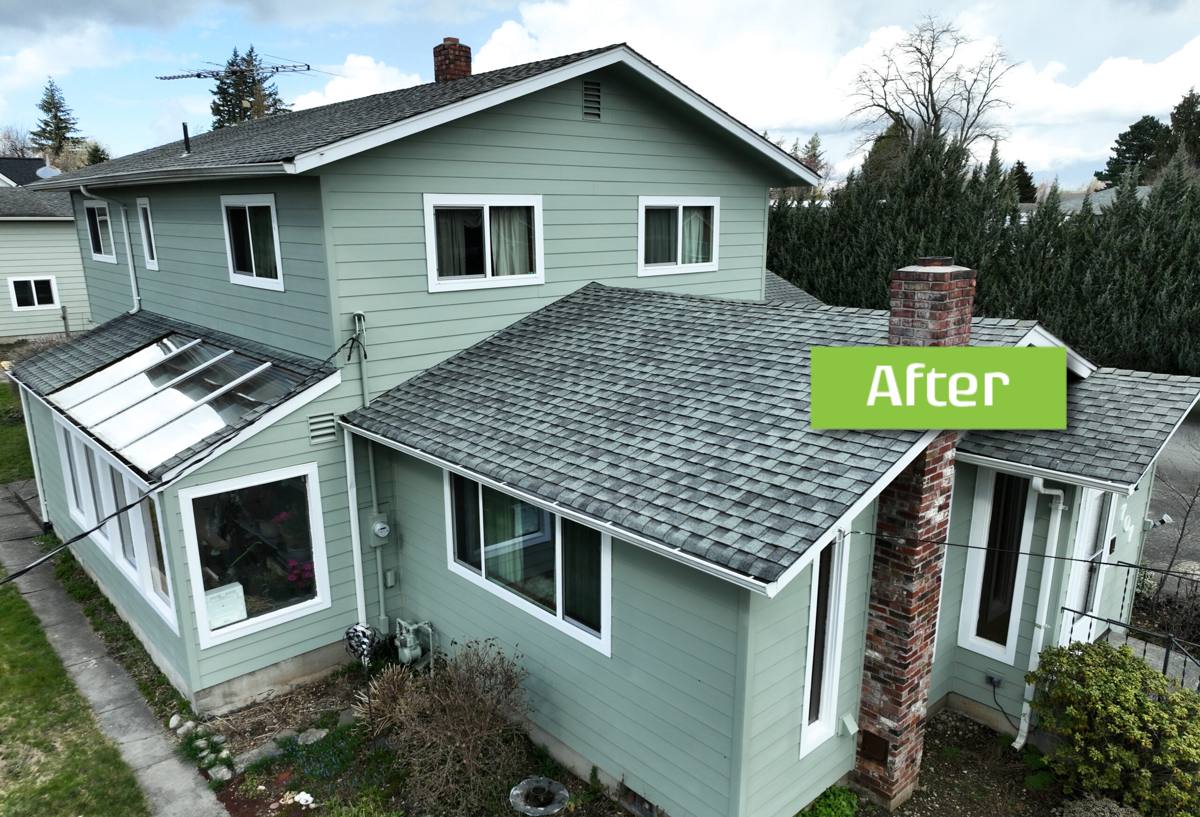
Signs a Repair Is Overdue
Roof problems in this climate rarely announce themselves with a dramatic leak on day one. They tend to show up as small, easy-to-ignore signals for a season or two before water actually gets inside. Homeowners who catch a repair at this stage almost always spend less than those who wait for a ceiling stain to force the issue.
- Granules collecting in gutters or at the base of downspouts, which means asphalt shingles are wearing thin
- Shingle edges curling or lifting, especially on south- and west-facing slopes
- Thick moss mats sitting on the roof rather than just a light green tint
- Rust-colored streaking below metal flashing or valleys
- Soft or spongy spots near valleys, chimneys, or roof penetrations
- Missing or displaced shingles after a windstorm off the Sound
- Water stains on interior ceilings or in the attic, even faint ones
Any one of these on its own might just mean a small, inexpensive fix. Two or three together usually mean the underlayment or decking underneath has already started absorbing water, which changes the scope of the repair.
What a Correct Roof Repair Actually Involves
A repair done right is more than swapping out a damaged shingle or smearing sealant over a gap. It starts with figuring out how water is actually getting in, because the entry point and the visible damage aren't always in the same place — water travels along decking and underlayment before it shows up as a stain.
Tear-Back and Decking Check
Any competent repair pulls back more roofing than the damaged area alone, so the decking underneath can actually be inspected. If plywood or sheathing has gone soft or delaminated from sitting wet, patching over it just buries the problem. That section gets replaced before anything new goes back down.
Flashing and Underlayment
Most leaks that look like a "shingle problem" are actually a flashing problem — around chimneys, skylights, roof-to-wall transitions, and valleys. Flashing gets reset or replaced, and underlayment in the repaired area is brought up to the same standard as the rest of the roof, not just patched with tar.
Matching Existing Material
On an older West Seattle home, matching the existing shingle type, color, and exposure matters for both looks and function — a mismatched patch can actually shed water differently than the surrounding field and create a new weak point. When an exact match isn't available, we talk through the closest reasonable option with the homeowner before starting, not after.
Moss, Algae, and West Seattle's Long Wet Season
Why Moss Takes Hold Here
Between the tree cover in many West Seattle neighborhoods and the stretch of overcast, damp months typical of the Puget Sound region, roof surfaces can stay wet for days at a time even without active rainfall. That's exactly the environment moss needs to establish. Once it takes hold, it doesn't just sit on top of the shingle — it holds moisture directly against the roofing material and, over time, works its way under shingle tabs and lifts them.
Treating It Without Damaging the Roof
Moss removal has to be done carefully. Scraping or pressure-washing it off can strip granules and shorten the life of the shingles more than the moss itself would have. Our approach during a repair is to clear moss by hand where it's affecting the repaired area, treat it appropriately, and flag any zinc or copper strip options for the homeowner to consider as ongoing prevention — not force it into every job as an upsell.
Salt Air, Wind, and Metal Components
Corrosion Near the Water
Homes closer to the water in West Seattle deal with airborne salt that accelerates corrosion on exposed metal — flashing, fasteners, gutter hardware, and vent caps. It's a slower process than storm damage, but it's steady, and it's often the reason a flashing detail fails years before the shingles around it show any wear. When we're repairing a roof in this kind of exposure, we default to corrosion-resistant fasteners and flashing rather than whatever happens to match the original, since the original may already be the reason for the failure.
Wind Exposure on Hilltop Lots
West Seattle's hills and open water views mean some homes sit in more exposed wind positions than a typical inland Seattle lot. That matters for repair work because shingles and flashing on an exposed slope need a slightly more conservative fastening pattern and sealant approach than the same materials would need on a sheltered roof. We adjust for that on-site rather than treating every repair the same regardless of exposure.
What Affects the Cost of a Roof Repair
Every repair is priced based on the actual scope once we've inspected it, but the factors below are what typically move a repair from a smaller job to a larger one. We'll walk through which of these apply to your roof before any work starts.
| Factor | Why It Matters |
|---|---|
| Extent of decking damage | Soft or rotted sheathing has to be replaced, not just covered — this is the single biggest cost driver |
| Roof pitch and height | Steeper or taller roofs take longer and require more safety setup |
| Material match availability | Older or discontinued shingle lines may need a closest-match solution instead of an exact one |
| Flashing complexity | Chimneys, skylights, and multiple valleys each add labor beyond a flat, open field of shingles |
| Moss or debris buildup | Heavy buildup adds cleanup time before the actual repair can even begin |
| Access and site conditions | Steep lots, limited driveway access, or mature landscaping can affect setup time |
As a rough sense of scale, straightforward repairs — a section of damaged shingles, a single flashing fix — often land in the low hundreds of dollars. More involved repairs, especially anything involving decking replacement or multiple flashing details, can run well into the low thousands. We won't know which category your roof falls into until we've actually looked at it.
Our Repair Process
- Inspection. We walk the roof (or use a ladder and camera where walking isn't safe or advisable) and check the attic from inside where accessible, to see both the surface and what's happening underneath it.
- Written estimate. You get a clear breakdown of what we found, what needs to happen, and what it costs — before any work starts, not as a surprise afterward.
- Scheduling around weather. Roof repairs need a reasonably dry window to be done correctly. We schedule with the region's weather patterns in mind rather than forcing a repair into a bad-weather day.
- The repair itself. Tear-back, decking replacement if needed, flashing and underlayment work, and matched material installation.
- Cleanup and walkthrough. Debris and old material removed, gutters checked for granules or moss debris from the work, and a final walkthrough so you can see what was done.
Why a Crew That Already Works West Seattle Matters
A roofer who works West Seattle regularly already has a working sense of how homes in the area are built and what tends to fail first — the difference between an older bungalow's original roof deck and a newer re-roof, which flashing details tend to have been done poorly the first time around, and how exposed a given block tends to be to wind off the water. That familiarity shortens the inspection, reduces guesswork, and means fewer surprises mid-job.
It also matters for something more basic: response time. A leak found during a King County storm doesn't wait for a convenient afternoon. A crew based in the area and already familiar with getting around West Seattle can get eyes on a problem faster than one dispatching from across the city.
Simple Maintenance That Extends the Life of a Repair
A repair holds up longer when it's not fighting the same conditions unassisted for years afterward. A little regular attention goes a long way in this climate.
- Clear gutters and downspouts at least twice a year, more often under heavy tree cover
- Have moss addressed while it's still light, rather than waiting for full mats to form
- Check attic insulation and ventilation — poor airflow traps moisture that works against the roof from underneath
- After major windstorms, do a visual check (or have one done) for lifted or missing shingles
- Keep overhanging branches trimmed back to reduce shade, debris, and physical abrasion on the roof surface
- Address small leaks immediately — a stain the size of a coin today is a decking replacement in a year
If you're seeing any of the warning signs above, or just want an honest read on where your roof actually stands, we're glad to come take a look. Use the form below to request a free, no-pressure estimate — we'll tell you what we find, what it would take to fix, and let you decide from there.