 Seattle Exterior
 Building Decks for Beacon Hill's Terrain
Beacon Hill is one of the hillier residential areas in Seattle, and that terrain changes how a deck should be designed before a single post goes in the ground. Lots here often slope away from the house, sometimes steeply, which means a deck isn't just a flat platform bolted to a wall — it's a structure that has to manage grade change, drainage, and access all at once. A deck plan that works fine on a flat lot in another part of King County can be the wrong plan entirely on a Beacon Hill hillside.
Add in mature tree cover, which is common on older residential blocks throughout this part of Seattle, and you get yards that stay shaded and damp longer than more open sites. That combination — slope plus shade — is the real design problem we're solving on most Beacon Hill deck jobs, more than style or size.
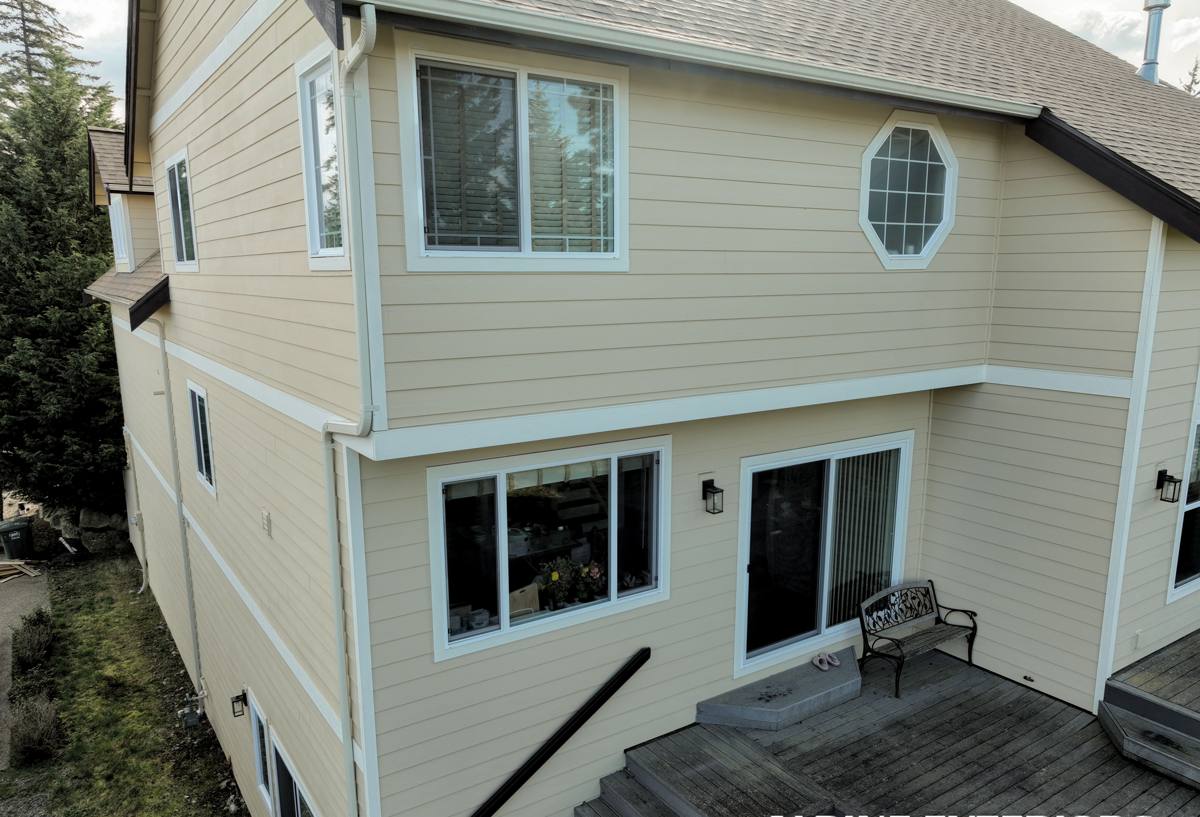
What Seattle's Climate Does to a Deck Over Time
Seattle's marine climate is mild, but it's relentless. Long stretches of driving rain, a moss season that can run from fall through spring, and damp, low-sun winters mean a deck spends a large part of the year wet or shaded, not both dry and sunny. Wood doesn't rot because it gets wet once — it rots because it stays wet, and shaded Beacon Hill yards are exactly the kind of environment where moisture lingers on deck boards, in joist bays, and around ledger connections.
Moss is the visible symptom, not the real issue. Where moss grows steadily, moisture is sitting on the surface longer than it should, which means the same conditions are working on fasteners, flashing, and framing underneath — just out of sight. A deck built without that in mind will look fine for a season or two and then start showing problems in the structure before it shows them on the surface.
Why This Matters More on Sloped, Shaded Lots
On a flat, sunny lot, a deck dries out between rain events. On a sloped Beacon Hill lot shaded by neighboring trees or the house itself, air movement under and around the deck is often reduced, so wet wood stays wet longer. That's a reason to think differently about material choice, ventilation under the deck, and how the structure is framed — not just how it looks on top.
Designing for a Sloped Lot
Sloped-lot decks in this part of Seattle typically need taller support posts on the downhill side, which changes the engineering compared to a low, flat deck. Taller posts mean more attention to bracing, footing size, and guardrail height requirements, since a deck that sits several feet off grade falls under different code triggers than one a foot off the ground.
Access is the other piece people underestimate. On a hillside lot, the natural path from the house to the yard or a lower patio isn't always a straight line. Good deck design on a sloped Beacon Hill property often includes stairs, landings, or a multi-level layout that works with the grade instead of fighting it — rather than one tall deck with a single long staircase that nobody enjoys using.
Footings on Sloped Ground
Footing depth and placement on a slope require more judgment than on flat ground. Footings need to reach undisturbed, stable soil at the correct depth regardless of how the grade rolls, and on a hillside that can mean uneven footing depths across the same deck. This is not a place to guess — it's engineering, and it's also inspected.
Choosing Decking Material for Shade and Moisture
Material choice matters more in a shaded, damp yard than in a sunny one. Every material handles Pacific Northwest moisture differently, and the right choice depends on how much sun and airflow the specific spot actually gets — not just personal preference.
| Material | How It Handles PNW Moisture | Maintenance Burden | Typical Lifespan |
|---|---|---|---|
| Pressure-treated lumber | Resists rot with proper sealing; can cup or check if neglected | Needs re-sealing every 1-2 years, more often in full shade | 15-20 years with upkeep |
| Cedar | Naturally moisture- and insect-resistant, but still needs finish maintenance | Re-stain/seal every 1-3 years | 15-25 years with upkeep |
| Composite decking | Doesn't rot or absorb water like wood; can still grow surface moss/algae in deep shade | Periodic cleaning, no staining or sealing | 25+ years, varies by product warranty |
We don't push one material on every job. A composite deck in full shade still needs to be cleaned occasionally, because moss and algae will grow on any surface that stays damp — composite just won't rot or splinter while that's happening. Wood decks in shaded Beacon Hill yards need a realistic maintenance commitment from the homeowner, or the material choice should shift toward something lower-maintenance instead.
Framing Underneath Matters As Much As the Surface
Whatever decking goes on top, the framing underneath is what actually determines how long the deck lasts. In a wet climate, that means using fasteners and hardware rated for treated lumber and ground contact where applicable, flashing the ledger board where the deck meets the house so water can't work its way into the wall framing, and leaving enough gap and airflow between boards so water sheds instead of pooling.
Our Process for a Beacon Hill Deck Build
- Site visit: We walk the actual slope, existing structure, and yard conditions in person — grade, drainage, tree cover, and sun exposure all factor into the design.
- Design and material discussion: We talk through layout, level changes, and material trade-offs honestly, including what each option will actually require from you in upkeep.
- Permitting: We handle the permit application and inspections required for the project, so the deck is built to code, not just to look right.
- Framing and footings: Footings are set to the correct depth for the actual soil and slope conditions on your lot, not a generic assumption.
- Decking, railing, and finish work: Surface material goes on last, with attention to fastener placement, board spacing, and railing that meets current guardrail requirements.
- Final walkthrough: We go over the finished deck with you, including what maintenance it will need and roughly how often.
Permits and Code Considerations in Seattle
Most new decks and deck replacements in Seattle require a permit, and the specifics — setback distances, guardrail height, footing requirements — depend on your lot and the size and height of the structure. Sloped lots often trigger additional review because of the height a deck reaches above grade on the downhill side. We handle this as part of the job rather than leaving it for the homeowner to sort out with King County or city permitting offices.
Skipping permits on a deck is a real risk, not just paperwork avoidance — it can create problems at resale, with insurance, or if there's ever a structural issue that needs to be traced back to how the deck was built.
Cost Factors Specific to Sloped, Shaded Lots
| Factor | Why It Affects Cost |
|---|---|
| Height above grade | Taller posts, more bracing, and stricter guardrail code requirements |
| Footing count and depth | Sloped ground often needs more footings at varying depths to reach stable soil |
| Access and staging | Hillside lots can limit equipment and material access, affecting labor time |
| Material choice | Composite costs more upfront but less in ongoing maintenance than wood |
| Drainage work | Grading or drainage improvements near the deck add to the scope but reduce moisture problems later |
Maintaining a Deck in a Moss-Prone Yard
A well-built deck in this climate still needs regular attention — the difference between a deck that lasts and one that doesn't often comes down to what happens after installation, not just how it was built.
- Sweep leaves and debris off the deck surface regularly, especially in fall — trapped organic matter holds moisture and feeds moss growth
- Clean moss and algae off the surface at least once a year, more often in deep shade, using a method appropriate to your decking material
- Check that gaps between boards haven't filled with debris, which blocks drainage and airflow
- Inspect the ledger board area where the deck meets the house for any signs of water staining or soft wood
- Re-seal or re-stain wood decking on the schedule appropriate to the product — shaded areas typically need it more often than sunny ones
- Trim back overhanging branches where possible to improve sun and airflow to the deck surface
Why a Crew That Already Works This Neighborhood Matters
Beacon Hill's sloped lots aren't unusual for us — they're a regular part of what we build in Seattle. That matters because a contractor who mostly builds on flat suburban lots may not have a good instinct for footing placement on a grade, or for how much extra bracing a tall downhill post actually needs. We've worked through those decisions on real hillside jobs in this part of King County, and that experience shows up in fewer surprises during construction and a deck that's actually engineered for the ground it sits on.
It also means we're realistic with homeowners about what a shaded, damp yard will ask of a deck over time, instead of overselling a low-maintenance promise that doesn't hold up to a real Pacific Northwest winter. Honest expectations up front save frustration later.
If you're planning a new deck or replacing one on a Beacon Hill property, we're glad to come take a look at your specific lot and talk through options — there's no cost and no pressure to move forward. Use the form below to request a free estimate.