 Seattle Exterior
 Beacon Hill's Roofs Take a Specific Kind of Beating
Beacon Hill sits up on a ridge above the rest of Seattle, which means it catches wind and driving rain that lower, more sheltered neighborhoods don't get quite as hard. Add in the marine air that rolls through the whole Puget Sound region, a mature tree canopy in many of the older residential pockets, and a wet season that stretches for months, and you've got a roof that's working overtime almost year-round. None of that is unique to one storm event — it's the cumulative effect of King County's weather pattern on a roof that's already carrying moss, trapped moisture, and small deferred issues from the last storm.
When we talk about "storm damage" on Beacon Hill, we're rarely talking about one dramatic wind event that ripped a roof open. More often it's wind-driven rain finding a weak spot that moss and moisture had already been working on for a year or two. Understanding that combination is the difference between a repair that actually holds and one that fails again in the next storm.
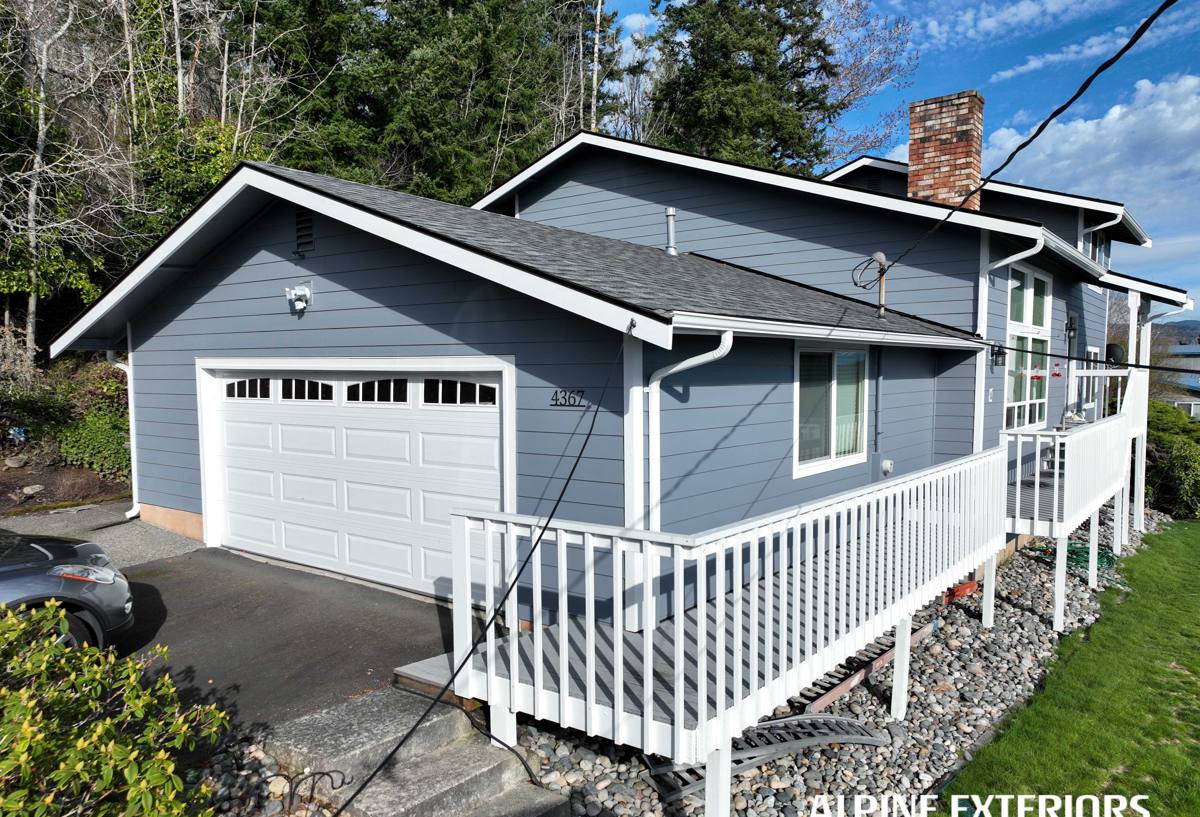
What Storm Damage Actually Looks Like Here
Storm damage on a Beacon Hill roof rarely announces itself as a hole. It usually shows up as one or more of the following, often in combination:
- Shingles or shakes lifted, cracked, or torn loose at ridges and edges where wind uplift is strongest
- Flashing around chimneys, vents, and roof-to-wall joints bent, separated, or pulled away from fasteners weakened by corrosion
- Gutters and downspouts overwhelmed or torn loose, sending water back up under the roof edge instead of away from the house
- Moss mats that trapped wind-driven rain long enough for it to work under shingles rather than run off
- Soft or discolored decking visible from the attic side, where water has been getting in gradually rather than all at once
That last point matters most. A storm is often just the event that finally pushes water through a spot that moss and moisture had already compromised. Repairing the visible damage without addressing what let the water in is why some "fixed" roofs leak again the next time it rains hard.
Why Moss Season Changes the Calculus
Seattle's long stretch of wet, mild weather is exactly what moss needs to establish itself, and Beacon Hill's tree cover in many areas gives it plenty of shade to work with. Moss holds moisture against the roofing material far longer than open sun and wind would allow, softening shingles and slowly lifting edges. A roof with active moss growth is more vulnerable to storm damage than a clean one, because the wind and rain are hitting material that's already saturated and weakened rather than dry and intact.
Why Waiting Costs More on This Kind of Roof
A small storm-related gap in flashing or a lifted shingle doesn't look urgent from the ground. But with King County's rainfall totals spread across many months rather than a few hard storms, a small entry point gets repeated exposure, not a single soaking. Left alone, that turns into:
- Wet insulation that loses R-value and stops protecting the living space
- Soft decking that has to be replaced instead of simply covered over
- Interior stains, and eventually drywall or framing repair, that cost far more than the roof work would have
- Mold and mildew in the attic space, which is a separate and more expensive problem to remediate
We'd rather look at a roof within a few weeks of a storm than get called out six months later when a ceiling stain finally shows up inside the house.
What a Correct Storm Damage Repair Involves
A repair that actually holds up through the next Beacon Hill winter involves more than swapping out the shingles or shakes that are obviously torn. Our approach covers:
- Full roof inspection, not just the damaged section — wind and rain rarely damage only one spot, and a thorough look at the whole roof catches secondary damage before it becomes its own problem
- Decking assessment — checking for soft spots, delamination, or rot underneath the roofing material itself, since covering damaged decking with new shingles just hides the problem
- Flashing repair or replacement — flashing failure is one of the most common sources of ongoing leaks after a storm, and it's often overlooked in a quick patch job
- Matching materials correctly — matching the existing roofing material's type, profile, and weathering as closely as possible so the repair doesn't stand out or create a mismatched wear pattern down the road
- Moss and debris removal — clearing the area being repaired (and often the surrounding roof plane) so we're not sealing moisture in under new material
Our Process for Beacon Hill Storm Repairs
1. On-Site Inspection
We walk the roof and the attic space where accessible, documenting damage with photos — both the storm-related damage and any pre-existing moss or moisture issues that contributed to it.
2. Honest Assessment and Written Estimate
We explain what happened, what needs to be repaired versus what's cosmetic, and give you a written estimate that separates storm-related repair from any pre-existing maintenance items, since insurance typically only covers the former.
3. Insurance Documentation (When Applicable)
If you're filing a claim, we provide the documentation your adjuster will need — clear photos, a description of the damage mechanism, and a scope of repair that matches what actually happened rather than an inflated or padded estimate.
4. The Repair Itself
We replace or repair only what needs it, using materials that match your existing roof, and we check flashing, fasteners, and decking as part of the job rather than treating it as a separate add-on.
5. Cleanup and Final Walkthrough
We clear debris, walk the roof and the ground with you, and explain what we found and what we did — including anything worth keeping an eye on going forward.
Repair or Replace? How We Help You Decide
Not every storm-damaged roof needs full replacement, and not every roof that looks fine after a storm is actually fine. Here's how we generally think through it:
| Factor | Leans Toward Repair | Leans Toward Replacement |
|---|---|---|
| Age of roof | Under 10-15 years, within normal lifespan | Near or past expected material lifespan |
| Extent of damage | Localized to one section or slope | Spread across multiple slopes or the whole roof |
| Decking condition | Solid, no soft spots found | Soft, delaminated, or rotted in multiple areas |
| Moss/moisture history | Minimal or well-maintained | Long-term moss buildup with repeated water intrusion |
| Prior repairs | First significant repair needed | Multiple past patch jobs already in place |
We'll tell you honestly which side of that table your roof falls on. There's no benefit to us selling a full replacement when a targeted repair will genuinely hold — and no benefit to patching a roof that's going to need replacing within a year or two anyway.
Materials and Why We Choose Them
Because of the salt-tinged marine air common across the Seattle area and the amount of moisture Beacon Hill roofs deal with, we pay close attention to two things in any repair: fastener and flashing material, and moss resistance.
- Fasteners and flashing: we use corrosion-resistant hardware appropriate to coastal-influenced air, since standard fasteners can degrade faster here than they would inland, leading to loosened flashing and repeat leaks
- Moss-resistant options: where it fits the home and budget, we discuss shingle or treatment options with better moss resistance, since reducing moss buildup directly reduces future storm vulnerability
- Matching existing material: our default is matching what's already on your roof unless there's a clear, honest reason to recommend something different — we'll explain the trade-offs (maintenance, moisture behavior, cost) rather than push an upsell
Working With Your Insurance Company
Storm damage claims move faster and more smoothly when the documentation is clear and the scope of repair is accurate. We provide photo documentation and a written scope that reflects the actual storm-related damage. What we won't do is inflate a claim or list unrelated maintenance items as storm damage — that approach tends to cause more delays and disputes than it saves.
Signs You Should Have Your Roof Checked After a Storm
- Visible missing, cracked, or curled shingles from the ground
- Granules collecting in gutters or at the base of downspouts
- New or worsening water stains on interior ceilings or walls
- Daylight visible through the roof deck from inside the attic
- Gutters pulling away from the fascia or sagging after heavy rain
- A noticeable increase in moss coverage since last season
If you notice any of these, it's worth having a roof looked at before the next system rolls through — small issues are far easier and cheaper to address than the water damage they eventually cause.
Why Local Experience in Beacon Hill Matters
Beacon Hill's hillside lots, mix of older and newer homes, and tree-shaded streets each affect how a roof ages and how a repair crew needs to approach access and staging. A crew that regularly works this neighborhood already understands the grade challenges, the housing stock's common roof types and ages, and the moss and moisture patterns specific to this part of Seattle — rather than treating your roof like a generic job. That familiarity shows up in faster, more accurate diagnosis and repairs that are built for the conditions your roof actually faces, not a one-size-fits-all approach.
If your Beacon Hill roof took a hit in a recent storm, or you've just noticed some moss buildup and want a second look before the next wet season sets in, we're happy to come take a look. The estimate is free, there's no pressure to move forward, and you'll get a straight answer about what your roof actually needs.