 Seattle Exterior
 Deck Repair Built for Capitol Hill's Older Homes and Wet Winters
Capitol Hill's housing stock skews older, its lots run tight, and its tree canopy is thick — all three of those things work against a deck. Add in the driving rain that rolls off Puget Sound most of the fall and winter, plus the long moss season that follows, and you've got a neighborhood where decks age faster than the rest of the house around them. We repair decks across Seattle, but the problems we see on Capitol Hill calls tend to follow a pattern specific to this part of King County, and that pattern is what shapes how we diagnose and fix them.
This page is about deck repair only — not full rebuilds, not new construction. If your deck is fundamentally sound but showing its age or has a specific problem area, this is the service that gets it back to solid and safe without paying for a full replacement it doesn't need.
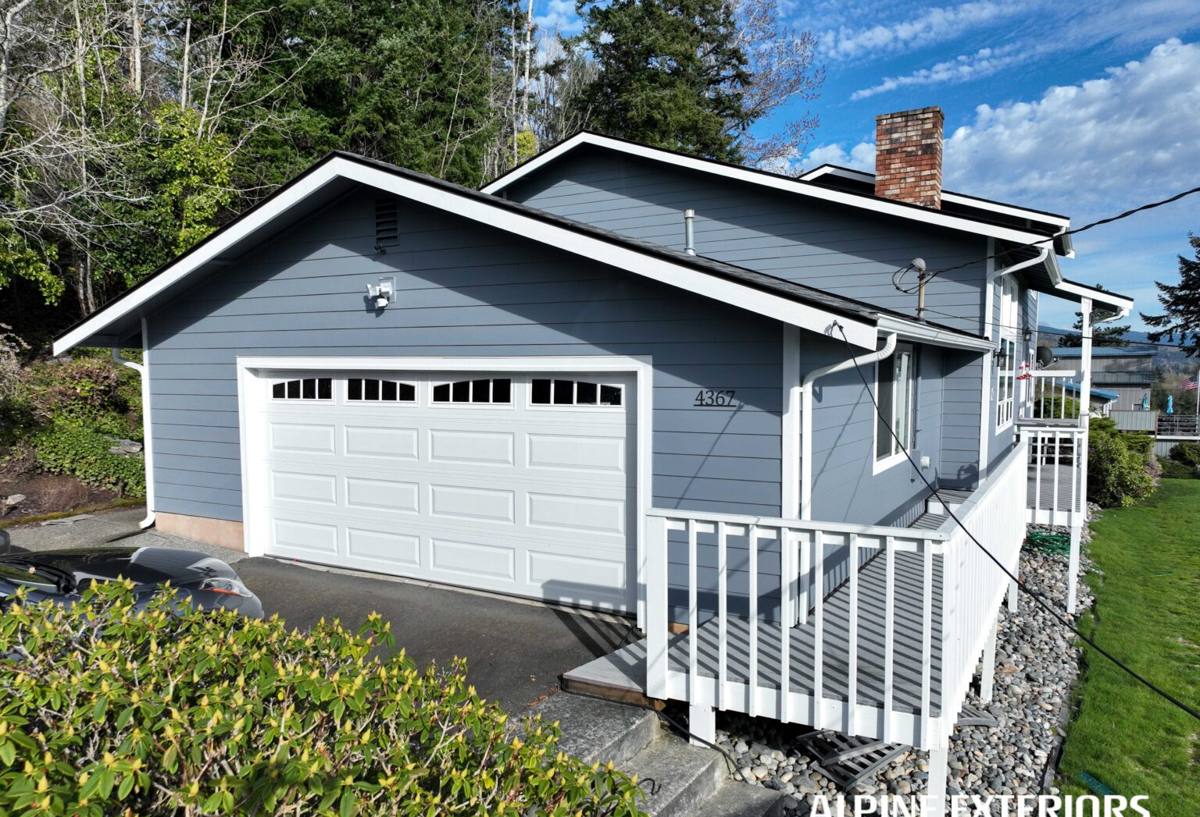
Why Capitol Hill Decks Wear the Way They Do
A few local realities show up over and over in our inspections:
- Mature trees overhead. Capitol Hill's older street trees and yard canopy drop leaves and needles onto deck surfaces year-round, and that organic material holds moisture against the wood far longer than open sun and wind would.
- Moss and algae season runs long here. Seattle's mild, wet winters give moss months to establish on shaded boards, stair treads, and the north or east sides of a deck — and moss holds water directly against the wood fibers, which accelerates rot underneath a surface that can still look okay from a few feet away.
- Older construction methods. A good share of Capitol Hill homes were built or had decks added before current flashing and fastener standards were common. Ledger boards attached directly to rim joists without proper flashing, and old fasteners that weren't rated for treated lumber, are both things we find regularly.
- Tight lots and multi-level decks. Steep grades and small lots on the Hill mean a lot of decks are elevated, multi-tiered, or built over basement entries — which raises the stakes on structural repairs versus a simple ground-level deck.
None of this means a Capitol Hill deck is doomed — it means the repair has to account for these conditions, not just patch the visible symptom.
What a Correct Deck Repair Actually Involves
Structural components first
Before we touch a single board on the surface, we check the parts that hold the deck up: the ledger board connection to the house, the posts and their footings, the joists, and the hardware tying it all together. A deck can have brand-new decking on top and still be unsafe underneath if the ledger flashing has failed or a post base has rotted out. Surface repairs on a structurally compromised deck are a waste of money — we'll always flag that distinction plainly rather than sell cosmetic work over a real problem.
Then the wear surfaces
Decking boards, stair treads, and railings take the direct hit from rain, foot traffic, and sun-to-shade cycling. Repair here usually means replacing individual damaged boards rather than the whole surface, matching fastener patterns so the new boards sit and drain the same way the old ones did.
Then the details that actually prevent the next failure
Flashing at the ledger, proper gaps between boards for drainage, fastener corrosion resistance, and any post-to-footing hardware are what determine whether a repair lasts five years or fifteen. We treat these as part of the repair, not upsells.
Signs Your Deck Needs a Repair Call Now
- Soft, spongy, or bouncy spots when you walk across the deck
- Visible gaps, rust streaks, or staining around the ledger board where the deck meets the house
- Railings or stair rails that flex or wiggle when you lean on them
- Persistent green or black growth on boards that doesn't come back clean after a wash
- Fasteners that are backing out, rusted, or have left dark stains in the wood around them
- Standing water or slow drainage on the deck surface after rain
- Cracked, splintering, or checking boards, especially near stair edges or high-traffic paths
- Gaps opening up between decking boards and the framing below
Any one of these on its own might be minor. Two or three together, especially near the ledger or stairs, is worth a look before the next wet season.
Common Deck Problem Areas We See on Capitol Hill
| Component | Typical Issue Locally | What the Repair Involves |
|---|---|---|
| Ledger board / house connection | Missing or failed flashing, water intrusion into the rim joist | Remove affected decking, correct flashing, replace rotted framing, reseal the connection |
| Decking boards | Moss holding moisture, soft or splintering wood, cupping | Replace individual boards, restore proper drainage gaps between boards |
| Railings and guardrails | Loose posts, weakened attachment points, wobble under load | Reinforce or replace post connections, verify height and spacing meet code |
| Stairs and treads | Heaviest wear point, first place rot shows up | Replace treads and stringers as needed, confirm rise/run stays consistent |
| Posts and footings | Ground contact rot, especially on steep or shaded lots | Replace post base, check footing condition, correct any grading issue directing water at the post |
| Fasteners and hardware | Corrosion, staining, backed-out screws from older non-rated hardware | Replace with corrosion-resistant fasteners rated for the decking material |
Our Repair Process
- On-site inspection. We walk the full deck, check underneath where accessible, and test the ledger, posts, and railings by hand — not just a visual pass from the top.
- Honest scope. We tell you what's actually failing versus what's cosmetic, and whether repair makes sense or whether you're better off putting that money toward a rebuild. We don't pad a repair scope to make the job bigger than it needs to be.
- Matching materials. When we replace boards, rail balusters, or trim, we match species, dimension, and finish as closely as possible so the repair doesn't stand out as an obvious patch.
- Correcting the cause, not just the symptom. If moss or standing water caused the damage, we address drainage and airflow as part of the repair, not just swap the rotted board and leave the same conditions in place.
- Cleanup and a straight explanation. You get a clear rundown of what was replaced, what we found underneath, and anything worth watching going forward.
Repair or Replace — How We Help You Decide
Not every deck problem calls for a full rebuild, and not every deck is worth repairing indefinitely either. A few factors that actually matter in that decision:
- Where the damage is. Isolated rot at a few boards or one post is a repair. Widespread soft framing across most of the joists usually isn't.
- Age of the original build. A deck built to older standards without proper ledger flashing may keep failing in the same spot no matter how many times you patch it.
- How much of the structure is still sound. If the framing is solid and it's really the surface and railings showing age, repair is the right call and the more economical one.
- Your timeline. A repair can often be scheduled and completed faster than a full rebuild, which matters if you're trying to get through a wet season safely.
We'll give you a straight answer on which category your deck falls into during the estimate — we're not trying to upsell a rebuild when a repair will hold up fine.
Materials and Fasteners We Rely On
For repairs, we prioritize matching what's there when it's still a sound choice, and upgrading fasteners and flashing details regardless of decking material, since those are the parts most likely to have caused the original failure. Stainless or coated corrosion-resistant fasteners are standard on our repairs — the cost difference over standard hardware is small, and in a climate with this much annual rainfall, it's not worth cutting on. Where flashing is involved, we use materials designed to shed water away from the structure rather than trap it against the ledger, which is the single most common structural failure point we find on older Capitol Hill decks.
Why a Crew That Already Works Capitol Hill Matters
Capitol Hill's dense blocks, limited parking, and mix of single-family homes, duplexes, and small multiplexes make access and logistics part of the job, not an afterthought. A crew that's worked the neighborhood knows how to plan a repair day around tight street parking and shared driveways, and is used to coordinating with neighbors when a job runs next to a shared fence or property line. That familiarity doesn't change the repair itself, but it does mean less friction getting the work done cleanly and on schedule.
Local experience also means we've seen how Seattle's rain patterns and this neighborhood's tree cover actually play out on a deck over years, not just in a one-time inspection. That's the difference between a repair that addresses today's symptom and one that accounts for what next winter's rain and moss will do to it.
Keeping Your Deck in Shape After the Repair
Once a repair is done, a little seasonal upkeep goes a long way in this climate:
- Clear leaves, needles, and debris off the deck surface regularly, especially in fall
- Sweep or rinse off moss growth before it establishes rather than after
- Keep gutters and downspouts near the deck clear so water isn't dumping onto it
- Check railings and stair treads once a year for early looseness
- Reseal or refinish exposed wood on the schedule appropriate to that material
These small habits are what keep a good repair from turning into a repeat call two winters later.
If your deck has a soft spot, a wobbly rail, or just isn't draining the way it used to, we're happy to take a look. We offer a free, no-pressure estimate for Capitol Hill homeowners — use the form below to get one scheduled.