 Seattle Exterior
 New-Construction Windows for Capitol Hill Builds
Capitol Hill is one of Seattle's densest and most actively redeveloped neighborhoods, with a steady mix of infill townhomes, additions, ADUs, and ground-up new builds squeezed onto narrow, tightly-set lots. Getting windows into a new structure is a different job than swapping windows into an existing wall. There's no old opening to work around, no existing flashing to inspect and repair — you're setting the window into fresh framing and building the water management system around it from scratch. Done right, that's an advantage: you get a properly flashed, code-compliant opening with no shortcuts inherited from a prior owner or builder. Done wrong, the mistakes get buried behind siding and drywall and don't show up until there's a leak years later.
We install new-construction windows for builders, general contractors, and homeowners managing their own project throughout Capitol Hill and the rest of Seattle. This page covers what the job actually involves, what Seattle's climate asks of the window and the installation, and how we coordinate with a build schedule so windows go in at the right moment and don't hold up the rest of the crew.
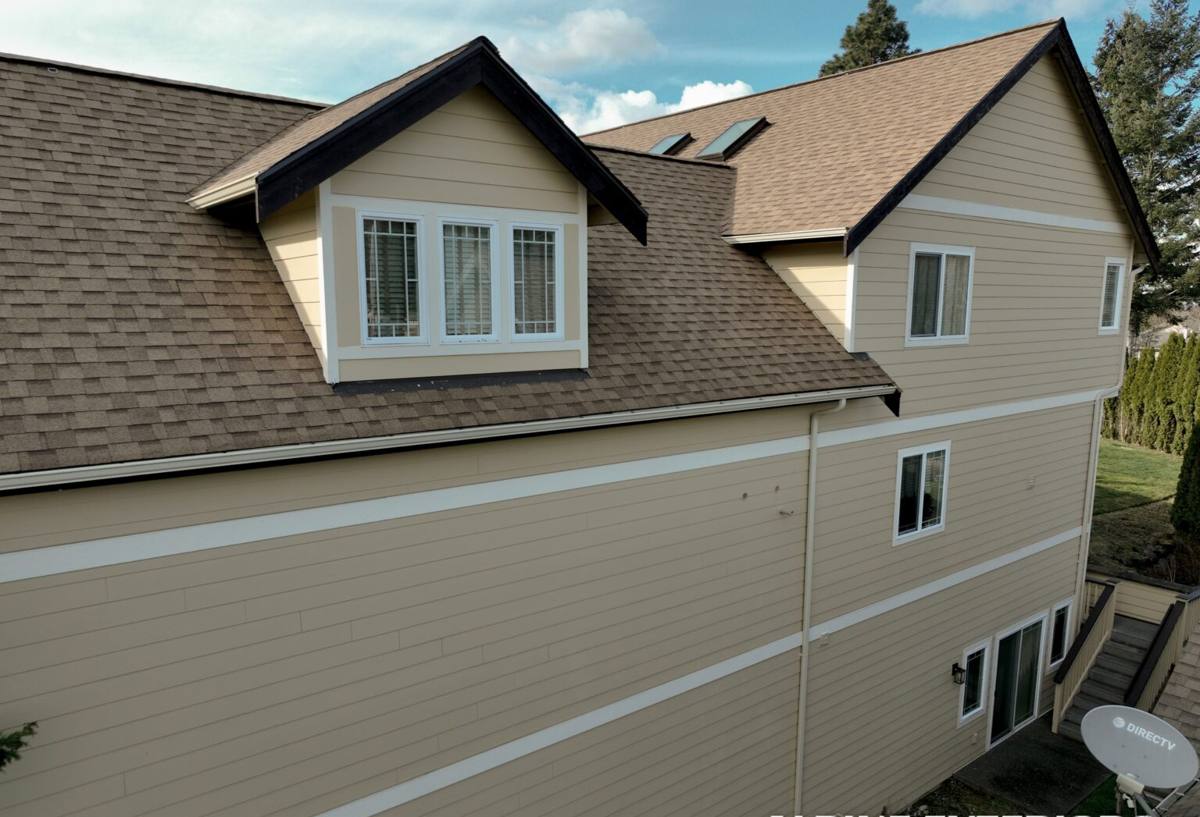
What Capitol Hill's Climate Demands From a New Window Opening
King County's marine climate means driving, wind-blown rain for a good part of the year, not just vertical rainfall. On an elevated, exposed neighborhood like Capitol Hill, wind-driven rain can push water sideways against a wall assembly with real force, and salt-laden air moving in off Puget Sound and Elliott Bay accelerates corrosion on fasteners, hardware, and unprotected metal flashing over time. Add a long stretch of damp, low-light moss season each fall through spring, and any window opening with a weak point in its water management will stay wet longer than it would in a drier climate, giving rot and mold more time to take hold.
For new construction, that means the window itself and the way it's integrated into the wall both matter:
- A sill pan flashing under every window opening, not just building paper, to catch and direct out any water that gets past the window
- Full integration with the water-resistive barrier (WRB) — proper shingle-lap sequencing so water is always directed outward and down, never trapped behind the cladding
- Corrosion-resistant fasteners and flashing metal suited to a marine, salt-influenced environment
- Window units rated for the wind and water exposure Seattle's Building Code and Washington State Energy Code require for this climate zone
- Glazing and framing that hold up to sustained damp conditions without trapping moisture in the frame cavity
The Correct New-Construction Installation Process
Sequencing With the Building Envelope
New-construction windows use a nailing fin (flange) that gets integrated directly into the wall's water-resistive barrier during the rough framing and weatherproofing stage — not caulked into a finished opening after the fact. That means the window install has to happen at a specific point in the build sequence: after rough opening framing and WRB installation, before siding or exterior trim goes on. Get that sequencing wrong and you either delay the whole exterior schedule or end up with a rushed installation that skips steps.
Sill Pan and Flashing Details
Every opening gets a sloped sill pan flashing before the window ever goes in, so any water that reaches the sill is directed back outside rather than sitting against the framing. The WRB is then lapped over the flanges in the correct order — sides first, head last — so water sheds down and over each layer like shingles on a roof. Head flashing above the window directs runoff away from the top of the frame instead of letting it wick sideways into the wall assembly.
Sealing and Fastening
We use sealants and fasteners rated for exterior, marine-influenced exposure, and we fasten through the nailing fin per the manufacturer's schedule — not just at the corners. Under-fastening is one of the most common causes of window failure in wind-exposed installations, and Capitol Hill's elevation and open exposure on many blocks make wind load a real factor.
Interior Air Sealing and Insulation
On the interior side, the gap between the window frame and the rough opening gets properly insulated and air-sealed — not just stuffed with fiberglass. A gap that's air-sealed correctly keeps out drafts and moisture-laden air, which matters for both energy performance and long-term condensation control inside the wall cavity.
Choosing the Right Window for a New Capitol Hill Build
New construction gives you a real choice of window frame material, since you're not constrained by an existing opening. Here's how the common options compare for a Seattle-area climate:
| Frame Material | Moisture Performance | Maintenance | Typical Use Case |
|---|---|---|---|
| Vinyl | Good — won't rot, handles damp climate well | Low; no painting or sealing needed | Cost-conscious new builds, ADUs, rental units |
| Fiberglass | Excellent — very stable in wet/dry cycling, minimal expansion | Low | New builds where long-term stability and a smaller frame profile matter |
| Wood-clad (exterior clad, wood interior) | Good on the exterior if the cladding and flashing are correct; interior wood needs a dry, sealed environment | Moderate — interior finish upkeep | Historic-style or high-end new builds wanting a wood look inside |
We don't push one material as universally "best." The right call depends on the home's design, budget, and how exposed the specific elevation is to wind-driven rain. What we do insist on, regardless of material, is that the unit carries a performance rating appropriate to this climate and that it's installed to the manufacturer's flashing instructions — that's where most long-term problems actually originate, not the frame material itself.
Energy Code and Performance Considerations
Washington State Energy Code sets minimum U-factor (insulating performance) requirements for new residential windows, and Seattle enforces these through permit review and inspection. On a new build, window performance also factors into the whole-house energy compliance path your builder or designer is using, so window selection isn't just a comfort question — it can affect what's required elsewhere in the building envelope. We can work from your builder's or architect's window schedule, or help you select units that meet code without over-spending on performance the design doesn't call for.
Building on Capitol Hill's Narrow, Dense Lots
A lot of Capitol Hill's new construction — infill townhomes, additions, and lot-line builds — sits on lots tighter than a typical suburban site, often with limited side-yard clearance, alley access, or shared property lines. That affects window installation in practical ways: scaffolding and staging space is limited, material deliveries need to be planned around narrow access, and work near a property line may need extra care to avoid disturbing a neighboring structure. We plan logistics around these constraints before the crew shows up, rather than improvising on site.
Seattle's permitting and inspection process (through SDCI) also applies to new-construction window openings — rough-in inspections typically occur before the wall is closed up, which is the point where flashing and WRB integration get verified. We build our install schedule around passing that inspection cleanly the first time, since a failed inspection on a closed-up wall means tearing back into finished work.
How Our New-Construction Process Works
- We review the builder's or architect's window schedule and rough opening sizes before ordering, catching sizing or spec issues early
- We confirm delivery timing against your framing schedule so windows arrive when the openings are ready, not before or after
- We install sill pan flashing and integrate the WRB in the correct shingle-lap sequence at every opening
- We set and fasten each window to the manufacturer's schedule, then seal per code and manufacturer specification
- We coordinate directly with your GC or site superintendent on inspection timing so rough-in inspection happens without delaying the rest of the exterior work
- We do a final walk-through of every opening before siding or exterior finish work covers it up
If you're a homeowner managing your own project rather than going through a GC, we handle that coordination directly with your framer and inspector.
Mistakes We See on New-Construction Jobs
Most window-related callbacks on new construction trace back to a handful of preventable issues:
- Skipping the sill pan flashing and relying on building paper alone
- Lapping the WRB in the wrong order, so water gets directed into the wall instead of away from it
- Under-fastening the nailing fin, especially on wind-exposed elevations
- Installing before the rough opening is truly square and properly sized, forcing the window frame out of true
- Rushing interior air sealing, leaving gaps that show up later as drafts or condensation
- Ordering windows that don't meet the U-factor the project's energy compliance path requires
None of these are complicated to avoid — they just require doing the sequence correctly and not skipping steps to save time on a tight build schedule.
Why Local New-Construction Experience Matters Here
A crew that mainly does window replacement in existing homes and only occasionally handles new construction is learning the sequencing on your job. New-construction window installation is a coordination problem as much as a hands-on install — it depends on timing with framing, WRB installation, inspection, and siding crews, all while accounting for Seattle's rain exposure and King County's damp, moss-prone stretches of the year. We work new-construction jobs on Capitol Hill and across Seattle regularly enough to know how to slot into a build schedule without becoming the bottleneck, and how to detail flashing so the openings hold up through the area's long wet season, not just through the next dry summer.
If you're planning a new build, addition, or ADU on Capitol Hill and want windows installed correctly the first time, we're happy to take a look at your plans and provide a free, no-pressure estimate — just fill out the form below.