 Seattle Exterior
 Metal Roofing in University District: What Local Homes Actually Need
University District sits in one of the wettest, greyest stretches of the calendar in King County, and that shapes what a roof has to survive. Homes here deal with long stretches of low-intensity rain, sudden driving downpours off the Sound, and shaded lots under mature trees that never really dry out between November and April. A roof that works in Arizona or even Eastern Washington isn't necessarily the right roof here. Metal roofing has become a popular answer for University District homeowners specifically because it handles this climate differently than shingles do — but only when it's specified and installed correctly for our conditions, not just installed.
This page is about metal roofing as it applies to this one neighborhood and this one job: what the climate does to a roof here, what a correctly installed metal roof looks like, and what our process is when we do the work.
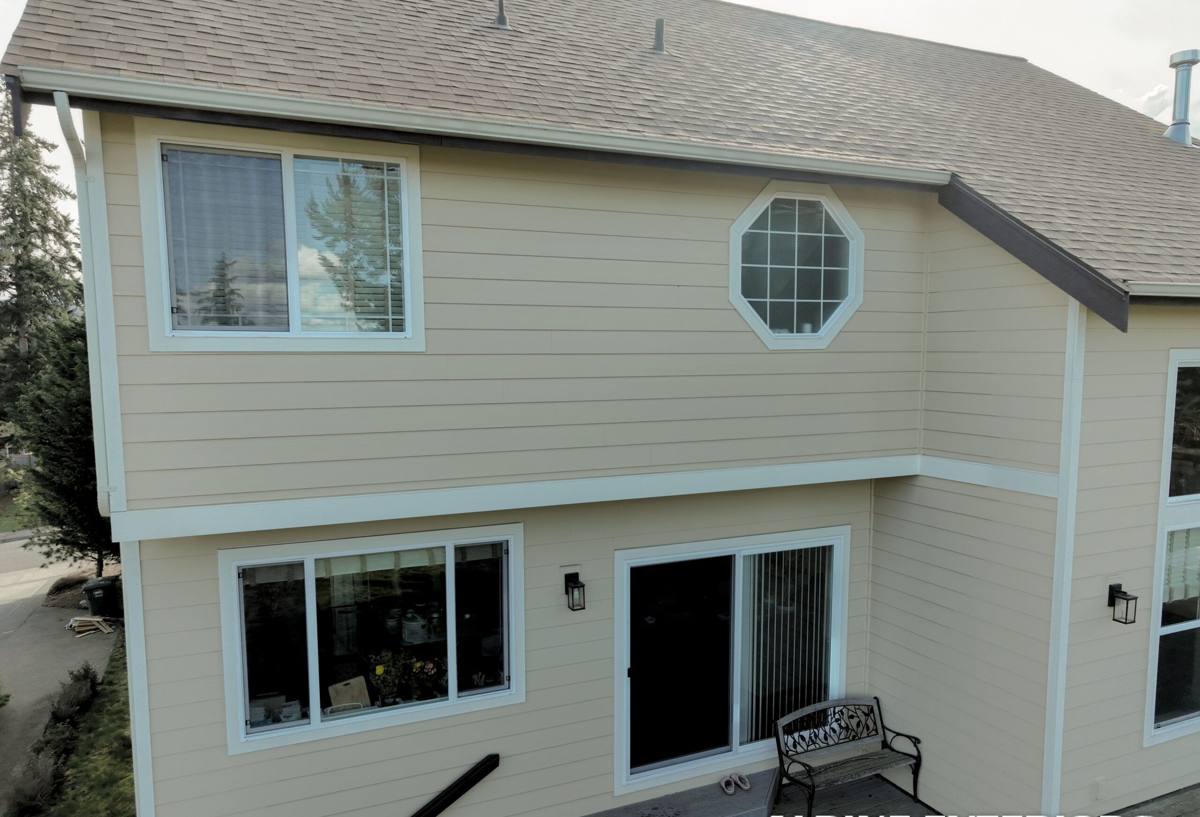
What Seattle's Rain and Moss Season Do to a Roof
Three things drive most of the roofing problems we see on University District homes, and they're all connected to the regional climate rather than anything unique to one house:
- Driving rain: Wind off the water pushes rain sideways during storms, forcing water up under laps, around penetrations, and into any flashing detail that was cut a corner too tight. Sideways rain finds the weak point in a roof system that vertical rain never would.
- Long moss season: King County's mild, wet stretch from fall through spring is exactly what moss needs to establish. On shaded, north-facing, or tree-covered lots — common in this neighborhood — moss can take hold within a season or two on a rough-surfaced roof and hold moisture against the material underneath it.
- Marine air moisture: Being close to the Sound and the lake systems around Seattle means persistent ambient humidity, even on days without active rain. That moisture works into fastener penetrations, cut edges, and any place a roof's protective coating has worn thin.
None of this is unique to metal roofing — it's what every roof in this part of Washington deals with. What's different is how metal responds to it compared to a shingle roof, which is the real reason homeowners here look at metal in the first place.
Why Moss Behaves Differently on Metal
Moss needs a rough, porous surface and standing moisture to get established. Asphalt shingles give it both. A correctly installed metal roof has a smooth, hard, consistently sloped surface that sheds water fast and gives moss spores very little to grip. It's not moss-proof — organic debris (needles, leaf litter, seed pods) can still build up in valleys or against chimneys and give moss a foothold — but on the open field of the roof, metal is far less hospitable to it than a shingle surface. That matters a lot on the shaded, tree-lined lots common around here.
What a Correct Metal Roof Installation Actually Involves
Metal roofing has a reputation for being low-maintenance, and it earns that reputation only when the installation underneath the panels is done right. The visible metal is the last five percent of the job. The parts that determine whether it performs for decades in this climate are mostly things you'll never see once the panels are down:
- Underlayment: A high-temperature, self-adhering synthetic underlayment (not felt) rated for the panel type, run continuously with proper laps, especially at eaves and valleys where wind-driven rain is most likely to intrude.
- Fastening pattern: Panels fastened per the manufacturer's wind-load spec for this region, not a generic pattern. Under-fastening shows up years later as panel movement, oil-canning, or loosened seams during a windstorm.
- Flashing details: Every penetration — plumbing vents, chimneys, skylights, wall-to-roof transitions — needs metal-specific flashing designed to move with thermal expansion. This is where most leaks in poorly installed metal roofs actually originate, not the field panels themselves.
- Ventilation: Metal roofs need proper intake and exhaust ventilation to manage condensation on the underside of the panels, particularly in a humid marine climate. Get this wrong and you can trade a moss problem for a hidden condensation problem in the attic.
- Ice and water shield at vulnerable areas: Even without heavy snow, this membrane at eaves, valleys, and low-slope transitions adds a second line of defense against wind-driven rain intrusion.
A metal roof that skips or shortcuts any of these isn't really a metal roof advantage — it's a shingle roof's problems wearing a metal roof's price tag.
Panel Types: Standing Seam vs. Exposed Fastener
Not all metal roofing is the same product, and the difference matters more in a wet climate than people expect.
| Feature | Standing Seam | Exposed Fastener (Corrugated/Ribbed) |
|---|---|---|
| Fasteners | Hidden under raised seams, no exposed penetrations in the field | Screws penetrate the panel face directly |
| Long-term weather seal | Seams mechanically locked, no reliance on sealant | Relies on rubber washers under screws, which harden and shrink over time |
| Typical maintenance | Minimal — periodic inspection of flashing and seams | Periodic re-torquing or replacing washered fasteners as they age |
| Upfront cost | Higher | Lower |
| Best fit | Homeowners wanting the longest maintenance-free service life | Outbuildings, budget-driven projects, lower-visibility roof areas |
Our standard recommendation for a primary University District home is standing seam, specifically because exposed-fastener panels put small penetration points all over the roof field, and each one is a place where our driving rain and years of freeze-thaw cycling can eventually work a washer loose. It's not that exposed-fastener panels are a bad product — it's that they carry a maintenance obligation that not every homeowner wants to keep up with, and we'd rather be honest about that trade-off upfront.
Tear-Off vs. Overlay: Why We Don't Cut This Corner
Some contractors will install metal panels directly over old asphalt shingles to save time and cost. We don't recommend this for University District homes, and here's the honest reasoning: shingles that have been absorbing our regional moisture for years are often holding water and organic growth against the deck underneath. Covering that up with metal traps the problem instead of solving it, and it also means you never get a real look at the decking itself — which is exactly where hidden rot from years of moss and moisture shows up first. A full tear-off costs more upfront, but it's the only way to actually inspect and, if needed, repair the deck before it's covered for another 40-plus years.
Our Process
- On-site assessment: We walk the roof, check the attic for existing moisture or ventilation issues, and look at how the current roof has aged under this specific property's tree cover and sun exposure.
- Tear-off and deck inspection: Old roofing removed, decking inspected board by board, and any soft or water-damaged sections replaced before anything new goes down.
- Underlayment and flashing installation: Synthetic high-temp underlayment and all flashing details installed to the standard the panel manufacturer requires for warranty coverage.
- Panel installation: Panels installed to the wind-load fastening spec, with attention to consistent alignment and clean valley, ridge, and edge details.
- Ventilation check: Intake and exhaust ventilation confirmed adequate for the home's attic volume, adjusted if not.
- Final walkthrough: We review the finished roof with the homeowner, point out anything worth knowing for future maintenance, and clean the property before we leave.
Cost Factors Homeowners Should Actually Weigh
Metal roofing costs more upfront than an asphalt reroof, and any contractor who tells you otherwise isn't being straight with you. What varies is how much more, and why:
| Factor | Why It Affects Cost |
|---|---|
| Panel type | Standing seam costs more than exposed-fastener panels due to material and labor complexity |
| Roof complexity | More valleys, dormers, and penetrations mean more flashing work and labor time |
| Tear-off vs. overlay | Full tear-off adds cost but is necessary to properly assess and prep the deck |
| Deck repair needs | Moisture or moss damage found during tear-off may require deck sections to be replaced |
| Ventilation upgrades | Older homes often need added intake or exhaust venting to meet manufacturer requirements |
The upfront gap versus asphalt is real, but it's typically offset over time by a much longer service life and far less recurring maintenance — particularly relevant in a climate where moss removal and shingle repair are recurring costs for a lot of homeowners in this area.
Maintenance: What a Metal Roof in University District Still Needs
Low-maintenance doesn't mean zero-maintenance. A short annual routine keeps a correctly installed metal roof performing for the long haul:
- Clear needles, leaves, and debris from valleys and around penetrations, especially after fall leaf drop
- Check gutters and downspouts are flowing freely before the heavy fall and winter rains arrive
- Look for any organic buildup starting in valleys or against chimneys and clear it before it holds moisture
- Visually check exposed-fastener panels (if installed) for loosened or aging washers every few years
- Confirm attic ventilation isn't blocked by insulation or debris
- Have flashing and seams checked after any unusually severe windstorm
Why a Crew That Already Works This Neighborhood Matters
University District has its own mix of roof pitches, lot shading, and tree cover that differs block to block, and a crew that regularly works this part of Seattle has already seen how those conditions play out over time — which roofs hold moss, which orientations catch the worst of the driving rain, which older homes tend to need ventilation upgrades before a new roof goes on. That familiarity shows up in fewer surprises during tear-off and a roof spec that's actually matched to the property instead of a one-size-fits-all install. It also means straightforward accountability — a local crew is easy to reach if a question comes up after the work is done, not a name on an invoice from a company that worked the area once and moved on.
If you're weighing metal roofing for a University District home, we're glad to come take a look, walk the current roof and attic with you, and put together a straightforward, no-pressure estimate based on what your property actually needs. There's no obligation — just a clear picture of your options before you decide anything.