 Seattle Exterior
 Columbia City's Older Homes Ask More of Their Windows
Columbia City is one of Seattle's older neighborhoods, and it shows in the housing stock: a lot of Craftsman bungalows, early 20th-century foursquares, and post-war infill sitting on lots that were platted long before modern window sizing was standardized. That matters when it's time to replace windows, because "custom" isn't a marketing word here — it's often the only way a new window actually fits an opening that's shifted, settled, or was never a standard size to begin with.
Add in King County's marine climate — steady rain, long stretches of gray, wind that drives moisture sideways instead of straight down — and you've got a neighborhood where windows are doing real structural and thermal work, not just letting light in. A window that's slightly out of square or poorly flashed doesn't just look off. It leaks, it fogs, and over a few wet seasons it can rot the framing around it.
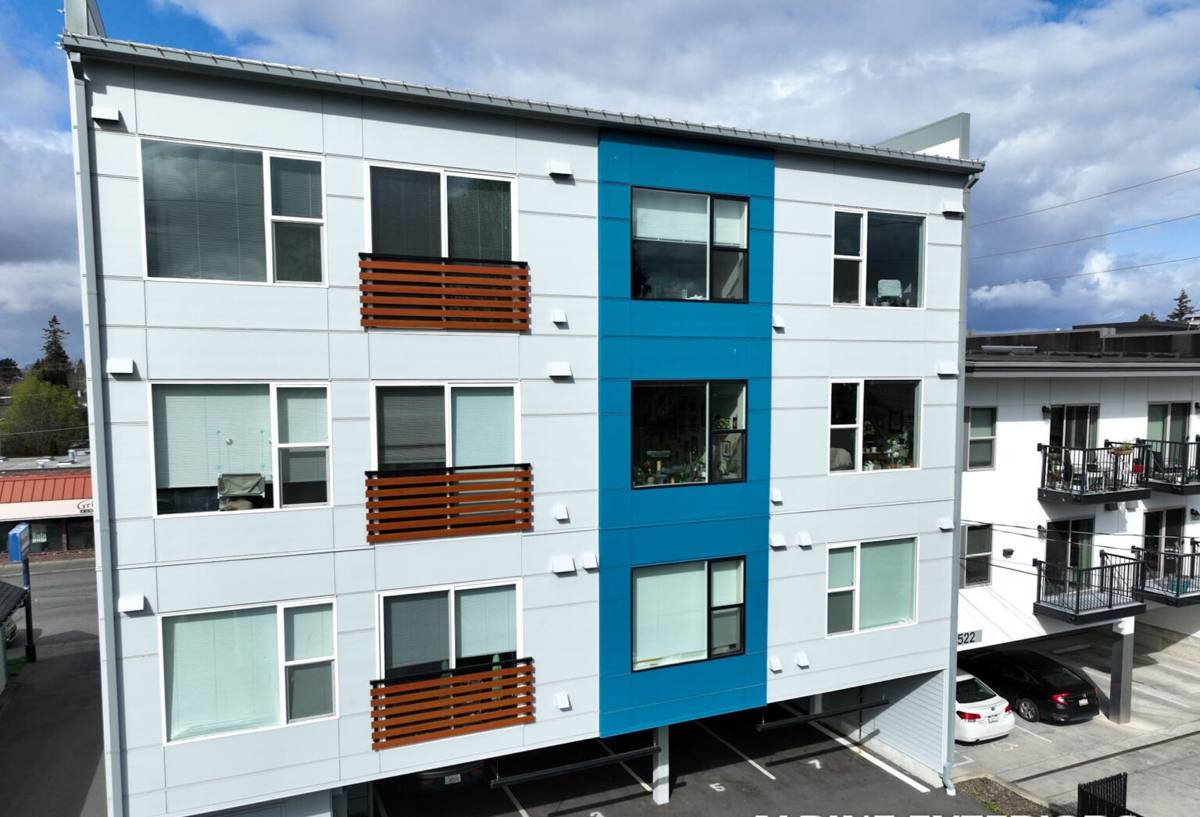
What Seattle's Climate Does to Windows Over Time
We don't get hurricanes or hailstorms here, but the Pacific Northwest wears windows down in its own patient way. A few things we see repeatedly on Columbia City homes:
- Driving rain against west and south exposures pushes water into any gap in the flashing or sealant, often for months at a time before it's noticeable indoors.
- Moss and organic buildup collect in window sills, tracks, and anywhere water sits instead of draining, breaking down wood and caulk faster than dry-climate products are rated for.
- Condensation on interior glass is common in older single-pane or early dual-pane windows, especially in homes with tighter modern insulation and less airflow than they had when originally built.
- Salt-tinged marine air off Puget Sound reaches even inland neighborhoods on windy days, which accelerates corrosion on lower-grade hardware and metal frames over the years.
None of this means Columbia City homes need exotic solutions — it means the basics have to be done right, every time, because there's no dry season long enough here to forgive a shortcut.
Choosing the Right Window Material for This Neighborhood
There's no single "best" window material — the right choice depends on your home's age, your siding type, your budget, and how much upkeep you want to do. Here's how the common options actually compare for a wet, temperate climate like ours.
| Material | Moisture Performance | Maintenance | Best Fit For |
|---|---|---|---|
| Vinyl | Good — won't rot, but seals can degrade over decades | Low | Budget-conscious replacements, rental properties |
| Fiberglass | Excellent — dimensionally stable in wet/dry cycles | Low | Homeowners wanting long-term durability |
| Wood (with proper finish) | Requires diligence — refinishing keeps it sound | High | Historic-style Craftsman and bungalow homes |
| Wood-clad (wood interior, metal/vinyl exterior) | Very good — cladding shields the wood from weather | Moderate | Homeowners wanting a wood look with less upkeep |
| Aluminum | Fair — prone to condensation without thermal breaks | Low | Modern or industrial-style additions |
For Columbia City's older bungalows specifically, wood and wood-clad windows tend to keep the original character of the home intact, especially on street-facing elevations. For side and rear elevations, or for additions and rentals where appearance matters less, fiberglass or vinyl often make more practical sense.
Glass and Performance Matter as Much as Frame Material
Frame material gets the attention, but the glass package does most of the actual performance work. In our climate, we generally steer homeowners toward a lower U-factor (better heat retention) over an aggressive solar heat gain rating, since Seattle doesn't get the intense summer sun that a low-SHGC glass is really designed for. Argon or krypton gas fills between panes, and warm-edge spacers, both help reduce the interior condensation that's so common on older single-pane windows in this climate.
What a Correct Custom Window Installation Actually Involves
"Custom" starts before the window is even ordered. On an older Columbia City home, we treat every opening as its own project rather than assuming it matches the one next to it.
- Precise field measurement of every opening, including width and height at multiple points — older framing is rarely perfectly square, and a window built to the wrong dimensions will never seal correctly no matter how well it's installed.
- Inspection of the existing sill, jambs, and framing for water damage or soft wood before the new window ever goes in. Installing a new window over rotten framing just hides a problem that will resurface.
- Sill pan flashing to direct any water that does get past the window back outside, rather than letting it collect in the wall cavity.
- Proper integration with the existing siding and trim — flashing tape, house wrap tie-in, and sealant sequencing all matter more here than in a dry climate, since a shortcut that would be cosmetic in Arizona becomes a leak path in Seattle.
- Manufacturer-spec installation using the fasteners, shims, and sealants the window maker actually requires — this is also what keeps the manufacturer's warranty valid if something goes wrong down the road.
- Interior and exterior trim finishing that matches the home's existing profile, particularly important on Craftsman-style trim details that don't match modern stock trim.
Historic Character and Neighborhood Considerations
Parts of Columbia City fall within areas that have historic designation or neighborhood design guidelines, which can affect what's allowed on street-facing window replacements — things like sightlines, muntin patterns, or frame material on the front elevation. Requirements vary by exact location and by how visible the change is from the street, so we always recommend confirming your specific property's status before ordering custom windows rather than assuming either way. A crew that's worked in the neighborhood before knows to ask this question up front instead of discovering it mid-project.
Our Process, Start to Finish
We keep this straightforward on purpose:
- In-home assessment — we look at each opening, check for existing moisture or framing issues, and talk through material and glass options based on your home and budget.
- Measurement and ordering — every window is measured to the actual opening, not assumed from a floor plan or a neighbor's house.
- Prep and removal — old windows come out carefully, and we inspect the opening before anything new goes in.
- Installation — flashing, shimming, and sealing done to manufacturer spec, not just "close enough."
- Trim and finish work — interior and exterior trim completed to match your home's existing look.
- Walkthrough — we go over the finished work with you before calling the job done, and explain any care or maintenance specific to the materials installed.
What Drives the Cost of a Custom Window Project
Every home is different, so we won't put a number on a project without seeing it — but these are the factors that actually move the price up or down:
| Factor | Why It Matters |
|---|---|
| Non-standard opening sizes | Custom-built units cost more than off-the-shelf standard sizes |
| Frame material | Wood and wood-clad generally cost more than vinyl or fiberglass |
| Number of windows in one project | Bundling multiple windows typically lowers the per-window cost |
| Existing framing condition | Rot repair adds labor and materials before the new window can go in |
| Trim complexity | Matching detailed Craftsman-style trim takes more time than plain modern trim |
| Glass package | Upgraded glass (gas fill, low-E coatings) adds cost but improves comfort and lowers condensation |
Signs It's Time to Replace, Not Just Repair
- Windows feel drafty even when fully latched, or you can feel air movement near the frame on a windy day
- Condensation or fogging forms between the panes, meaning the seal has failed
- Wood sills or jambs feel soft, spongy, or show visible rot
- Windows are difficult to open, close, or lock, especially after damp weather
- Visible daylight or gaps around the frame from outside
- Paint or finish is failing repeatedly in the same spot despite touch-ups
Why a Local Crew Makes a Real Difference
Window installation looks similar on paper anywhere in the country, but the details that actually keep a Columbia City home dry are specific to this climate and this housing stock: how to flash for driving rain instead of occasional showers, how to spot rot before it's obvious, how to match trim on a hundred-year-old bungalow, and when a permit or design review question is worth asking before, not after, the order is placed. A crew that works this neighborhood regularly has already seen the framing quirks, the moss patterns, and the common trouble spots specific to King County's older homes — which means fewer surprises and a job done right the first time.
If you're thinking about custom windows for your Columbia City home, we're happy to take a look and give you an honest, no-pressure estimate — no obligation, just a clear picture of what your home actually needs.