 Seattle Exterior
 Why Columbia City Roofs Wear Out Differently Than You'd Expect
Columbia City is one of Seattle's older neighborhoods, and a lot of its housing stock reflects that — Craftsman bungalows and early-1900s homes sitting under mature tree canopy, mixed in with newer infill construction. That combination matters more than most homeowners realize when it comes to roofing. An older roof deck, a shade-heavy lot, and King County's marine climate don't fail the same way a roof does in a drier, sunnier part of the country.
Seattle sits in the Puget Sound region, and that means damp, mild winters, long stretches of low-intensity rain, and air that carries more moisture — and a touch of salt off the Sound — than most inland cities ever deal with. None of that is dramatic on any given day. It's the cumulative effect that causes problems: shingles that never fully dry out between storms, moss that gets a permanent foothold in shaded areas, and fasteners and flashing that corrode faster than manufacturer literature assumes.
A roof replacement done right in Columbia City accounts for all of that. A roof replacement done generically — using a one-size-fits-all approach that works fine in a dry climate — tends to show its weaknesses within a few wet seasons.
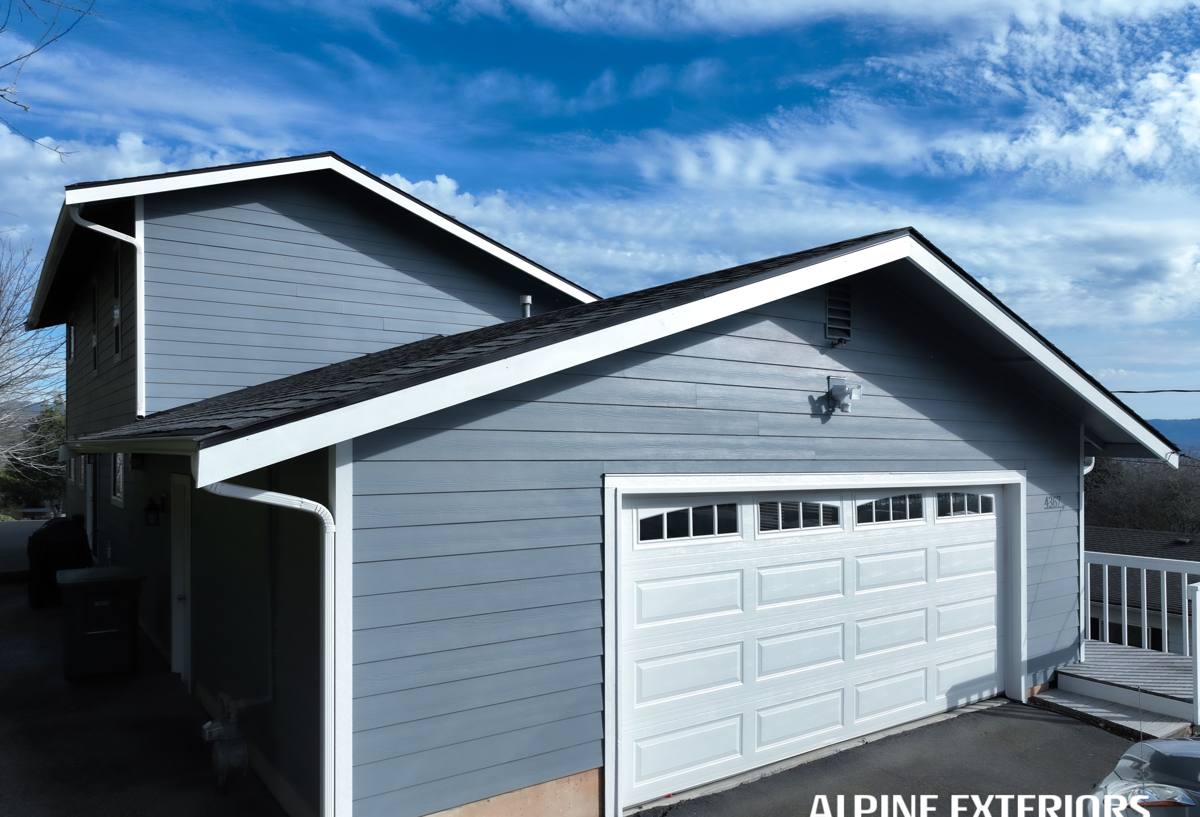
Signs a Columbia City Roof Is Due for Replacement, Not Another Repair
Repairs make sense when the damage is localized and the roof underneath is still sound. Replacement makes sense when the problems are systemic. Here's how to tell which situation you're in:
- Granule loss heavy enough that you're finding grit in gutters and downspouts every season, not just after a storm
- Moss or algae that keeps coming back within months of cleaning, especially on north-facing or heavily shaded slopes
- Soft spots, sagging, or visible unevenness when viewed from the ground or a ladder
- Daylight visible through the roof deck from inside the attic
- Interior water stains that appear or worsen during sustained rain rather than one-off leaks
- A roof that's already had two or more rounds of patch repairs in the last several years
- Shingles curling, cracking, or lifting at the edges — common once asphalt roofing passes the 18-20 year mark in this climate
If you're seeing two or more of these at once, it's usually cheaper in the long run to replace than to keep chasing individual repairs.
What a Correct Roof Replacement Actually Involves
It's Not Just New Shingles on Old Decking
The single most common shortcut in this trade is re-roofing over a deck that should have been inspected and, where needed, replaced. In a climate like ours, plywood or plank decking that's absorbed moisture over decades doesn't just lose structural integrity — it can telegraph rot right back up through a brand-new roof surface within a few years. A correct replacement includes full tear-off to the deck, not an overlay.
The Layers That Actually Do the Work
Shingles get all the attention, but the components underneath are what keep a Columbia City home dry through a wet Pacific Northwest winter:
- Deck inspection and repair — replacing any sheathing that's soft, delaminated, or water-stained before anything new goes down
- Ice and water shield at eaves, valleys, and penetrations, where standing water and wind-driven rain concentrate
- Synthetic underlayment across the full deck as the roof's real backup waterproofing layer
- Properly integrated flashing at chimneys, skylights, sidewalls, and any roof-to-wall transitions
- Balanced intake and exhaust ventilation, so moist air actually leaves the attic instead of condensing under the deck
Skip any one of these and the finished roof can look fine from the street while quietly failing underneath — exactly the kind of problem that surfaces as a leak two or three winters later, long after the crew that installed it has moved on.
Choosing a Roofing Material for This Climate
There's no single "best" roofing material — there's a best fit for your home's roof pitch, your budget, and how much long-term maintenance you're willing to take on. Here's how the common options actually compare under sustained Puget Sound moisture and moss pressure:
| Material | Moisture & Moss Resistance | Typical Lifespan Here | Maintenance Burden |
|---|---|---|---|
| Architectural asphalt shingle | Good with proper ventilation and periodic cleaning | 25-30 years | Low to moderate |
| Standing seam metal | Excellent — sheds moss and moisture, minimal absorption | 40-50+ years | Low |
| Cedar shake | Requires diligent upkeep; absorbs moisture, prone to moss without treatment | 20-25 years with maintenance | High |
| Composite/synthetic shake or slate | Good — engineered to resist moisture uptake | 30-40 years | Low to moderate |
We generally steer clients away from untreated cedar shake as a first choice in shaded, moss-prone lots — not because it's a bad product on its own, but because the maintenance schedule it requires to perform well here is more than most homeowners realistically keep up with. That's a trade-off worth being honest about upfront rather than after moss has taken hold. Composite shake products give a similar look with far less moisture sensitivity, which is why we bring them up as an alternative when the aesthetic matters to a homeowner.
Our Roof Replacement Process
- On-site inspection. We walk the roof and the attic, not just the ground — checking deck condition, ventilation, flashing, and the drainage path water actually takes off your specific roof.
- Written scope and estimate. You get a clear breakdown of materials, tear-off, deck repair allowances, and labor — no vague "we'll figure it out once we're up there" pricing.
- Permitting. Roof replacements in Seattle typically require a permit through the city; we handle that filing so it isn't left on you.
- Tear-off and deck assessment. Old roofing comes off down to the sheathing, and any compromised decking gets identified and replaced before anything new is installed.
- Underlayment, flashing, and ventilation installed correctly — the layers described above, done to manufacturer spec, not shortcut to save a day of labor.
- New roofing material installed per the manufacturer's application instructions, which is also what keeps your material warranty valid.
- Final walkthrough and cleanup — including a magnetic sweep for stray fasteners around the property.
Ventilation and Moss: The Two Issues Most Roofs Here Fight Long-Term
Columbia City's mature street trees and shaded lots are part of what gives the neighborhood its character, but they're also why moss shows up faster here than in more exposed parts of King County. Moss holds moisture against the roof surface, and over time that moisture works its way under shingle edges and into fastener penetrations. Regular gutter and roof-surface cleaning helps, but the real long-term fix starts at installation: correct ventilation keeps the underside of the deck dry, and materials chosen with moss resistance in mind reduce how much of a foothold it can get in the first place.
Ventilation problems are sneakier because they're invisible from the street. An attic that can't exhaust warm, moist air properly will sweat from the inside, and that moisture attacks the roof deck regardless of how good the shingles on top are. This is one of the most common issues we find on older Columbia City homes that were re-roofed at some point without anyone opening up the attic to check airflow.
What Affects the Cost of a Roof Replacement
Every roof is different, so we won't quote a number without seeing yours — but these are the factors that actually move the price, in order of typical impact:
| Factor | Why It Matters |
|---|---|
| Roof size and number of facets | More square footage and more valleys/hips mean more material and labor time |
| Deck condition | Rotted or delaminated sheathing found during tear-off adds repair cost that can't always be predicted beforehand |
| Material choice | Asphalt, metal, and composite materials carry different material and installation costs per square |
| Roof pitch and access | Steep roofs or homes with limited equipment access take longer and require more safety setup |
| Layers of existing roofing | Removing multiple old layers takes more labor than a single tear-off |
| Ventilation and flashing upgrades | Bringing an older system up to correct ventilation standards is an investment that pays off in roof lifespan |
Broadly, a full asphalt shingle replacement on a typical Columbia City home tends to land in the mid-to-upper five figures, with metal or composite roofing running higher due to material cost. Any contractor who gives you a firm number before inspecting your deck and attic is guessing — and that guess usually turns into a change order later.
Why a Crew That Already Works in Columbia City Makes a Difference
Roofing code, permitting, and inspection expectations in Seattle are consistent citywide, but the practical challenges of working a given neighborhood aren't. Columbia City's mix of older homes, mature landscaping, and street parking realities all affect how a job gets staged and executed. A crew that's already worked in the neighborhood knows how to plan material staging and dumpster placement without turning your street into an obstacle course, understands what King County permitting reviewers tend to flag on older homes, and has a realistic sense of how tree cover on a given lot will affect drying time and moss pressure going forward.
That familiarity also shows up in smaller ways — recognizing original roof framing quirks common to early-1900s Seattle construction, or knowing which ventilation retrofits actually work on a bungalow roofline versus a newer build. None of that replaces a proper on-site inspection, but it does mean fewer surprises once the tear-off starts.
Questions Worth Asking Before You Hire Anyone
- Are you licensed and insured to work in Washington State, and can you provide proof?
- Will you pull the required Seattle permit yourself, or is that left to me?
- Does your estimate include full tear-off to the deck, or is overlay an option you're proposing?
- What underlayment and ventilation approach are you using, specifically?
- What's covered under workmanship warranty versus manufacturer material warranty, and for how long?
- Can you walk me through how you handle unexpected deck repair costs found during tear-off?
A contractor who answers these clearly and specifically, without hedging, is generally one worth trusting with the job.
Getting Started
If your Columbia City roof is showing its age — persistent moss, granule loss, or a leak that keeps coming back — it's worth getting an honest, no-pressure look before winter rains put more stress on it. We'll walk the roof, check the attic, and give you a straight assessment of what it actually needs. Use the form below to request a free estimate.