 Seattle Exterior
 Why Beacon Hill's Weather Is Hard on Windows
Beacon Hill sits up on a ridge above the Duwamish valley, which means homes here catch more direct wind and rain than houses tucked into lower, more sheltered parts of Seattle. That elevation is great for views and lousy for window frames. Wind-driven rain finds every gap in a poorly sealed frame, and the moisture-laden air coming off Puget Sound carries enough salt to slowly eat away at cheap hardware, hinges, and unprotected finishes over the years.
Then there's moss. In King County, moss season isn't really a season — it's most of the year. Anywhere moisture sits and doesn't dry out quickly, moss and mildew take hold, and window sills, tracks, and the wood trim around older frames are exactly the kind of damp, shaded surface moss likes best. None of this means windows here are doomed. It means they need to be installed correctly for this climate, not just installed.
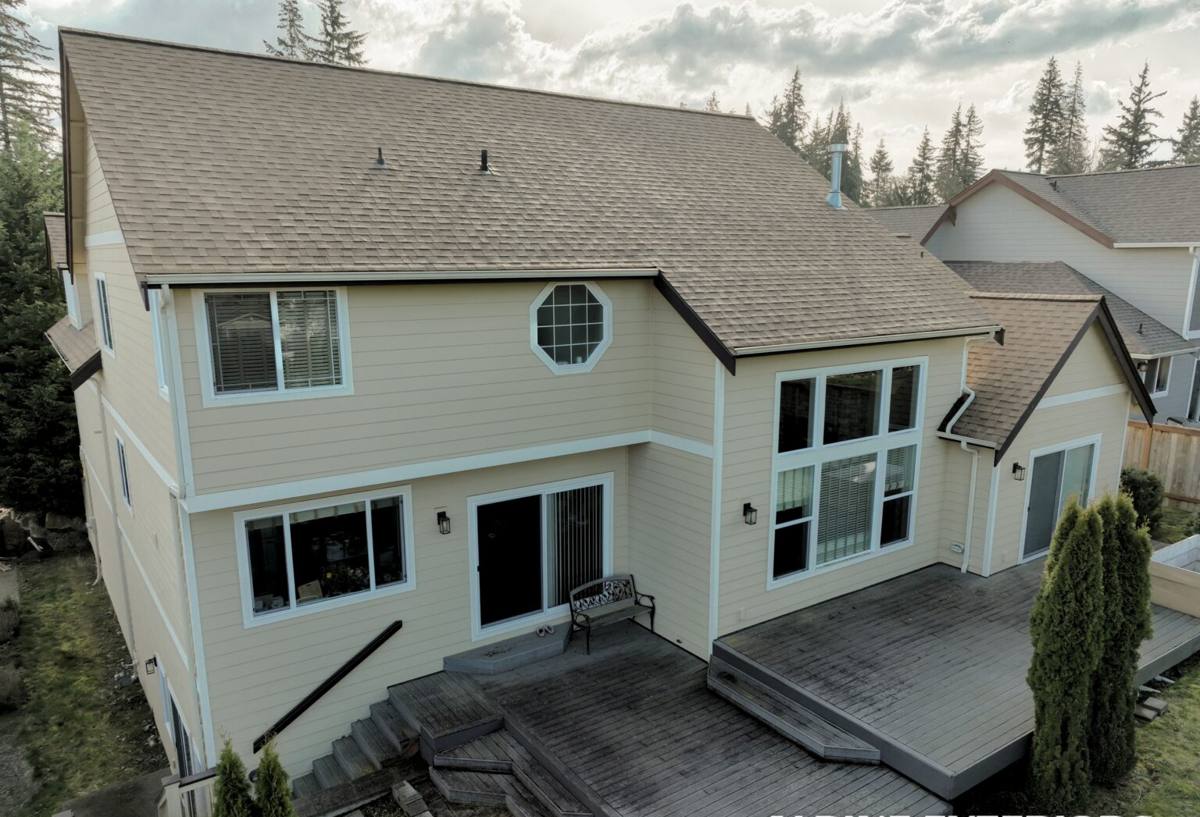
What "Custom" Actually Means for a Window Replacement
"Custom" doesn't just mean picking a color or grid pattern. It means the window is built and installed to match the actual rough opening, framing condition, and cladding of your specific house — which matters a lot on Beacon Hill, where you'll find everything from early-1900s bungalows to mid-century homes to newer infill construction, often on the same block. A correct installation accounts for:
- The true size and squareness of the opening, not just a stock window size forced to fit
- How water is meant to shed off the wall and around the window, given your siding type
- What condition the existing framing and sheathing are in once the old window is out
- How the new window will be sealed, flashed, and insulated — not just caulked and trimmed
Skipping any of these steps is how you end up with a window that looks fine for a year or two and then starts leaking, fogging, or letting cold air through every winter.
Common Corners That Get Cut
We see the same shortcuts on older Seattle homes over and over: foam sealant used as the only line of defense against water, no sill pan under the window to catch and direct moisture that gets past the seal, and old, sometimes rotted framing left in place because pulling it out and repairing it takes more time. Each of these saves a contractor an hour or two on install day and costs the homeowner a much bigger repair bill down the road.
Signs Your Windows Are Telling You Something
Most window failures don't happen overnight. They show up as small, easy-to-ignore signs first. Worth checking for, especially heading into the wetter months:
- Fogging or a hazy film between the panes of a double-pane window (means the seal has failed)
- Drafts you can feel with your hand along the frame edge on a windy day
- Soft or discolored wood at the sill or bottom corners of the frame
- Windows that stick, won't stay open, or are hard to lock
- Condensation on the inside of the glass that doesn't go away once the room warms up
- Paint peeling or bubbling on the trim immediately around the window
- Visible moss, algae, or dark staining on the sill or lower frame
Any one of these on its own isn't an emergency. Several together, or one that's gotten worse over a couple of seasons, usually means moisture has already gotten past the seal.
Choosing Materials That Hold Up Here
There's no single "best" window material — it depends on your home's style, your budget, and how much upkeep you want to take on. Here's how the common options actually compare for a wet, coastal-influenced climate like ours:
| Material | Moisture Resistance | Maintenance | Typical Fit |
|---|---|---|---|
| Vinyl | Very good — won't rot or corrode | Low — occasional cleaning | Budget-conscious replacements, most home styles |
| Fiberglass | Excellent — stable in wet/dry cycling | Low | Higher-end replacements, longer-term ownership |
| Wood-clad | Good if maintained; vulnerable if seals fail | Higher — finish upkeep, sealant checks | Historic or period-style homes where wood interior look matters |
| Aluminum | Fair — prone to condensation without thermal break | Low | Modern/contemporary styles, view-focused openings |
We don't push one material on every job. On an older Beacon Hill bungalow where the owner wants a wood interior look, a wood-clad window with a well-detailed exterior can be the right call. On a house where nobody wants to think about window maintenance again, fiberglass or vinyl is usually the more honest recommendation. What we won't do is install a wood window in a rain-exposed wall without proper flashing and expect it to hold up — that's a maintenance and warranty headache we'd rather steer a homeowner away from up front.
Our Installation Process
The process is the same whether it's one window or a whole house, just scaled up:
- On-site assessment. We look at the existing windows, framing condition, and how water currently moves around your walls before recommending anything.
- Custom measurement. Every opening gets measured individually — older homes rarely have perfectly square, uniform openings.
- Material and glass selection. Based on the wall's exposure to wind and rain, your budget, and how the window needs to look from the street.
- Careful removal. Old windows come out without tearing up more of the wall than necessary, and we check the framing and sheathing underneath while it's exposed.
- Flashing and sill pan installation. This is the step that actually keeps water out over the long run — sealant alone isn't a substitute for correct flashing.
- Insulation and air sealing. Gaps around the frame get properly insulated, not just stuffed with foam.
- Interior and exterior finish work. Trim, caulking, and paint or stain matched to the rest of the house.
- Final walkthrough. We check operation, seals, and finish with you before calling the job done.
Why Local Experience on Beacon Hill Matters
A window contractor who mostly works in drier, more sheltered parts of the country — or even other, less exposed parts of Seattle — can miss things that matter here. Beacon Hill's elevated, wind-exposed lots need more attention to flashing and sealing than a sheltered lot a few miles inland. Older homes in the neighborhood often have non-standard rough openings, balloon framing, or layers of past renovation work that a crew needs to recognize and work around rather than force a stock window into. And Seattle and King County permitting requirements around window replacement — particularly on older housing stock — are worth knowing before the job starts, not figuring out mid-project.
None of this is exotic knowledge, but it's the kind of thing you only really learn by doing this work on this kind of house, in this kind of weather, repeatedly.
What Drives the Cost
We won't quote a price without seeing the job, but these are the main factors that move the number up or down:
| Factor | Why It Matters |
|---|---|
| Number of windows | Per-window cost typically drops as the project scales up |
| Material choice | Vinyl is generally the most affordable; wood-clad and larger fiberglass units cost more |
| Size and configuration | Oversized, custom-shaped, or multi-panel windows take more time and material |
| Framing condition | Rot or damage found once the old window is out adds repair work |
| Access and site conditions | Upper-story or hard-to-reach windows take longer to install safely |
| Energy code requirements | Current Washington energy code sets minimum performance ratings that affect glass and frame options |
Keeping Windows Working Through Our Wet Season
Even a well-installed window benefits from a little seasonal attention in this climate:
- Clear debris and standing moisture from tracks and sills before the fall rains settle in
- Check exterior caulking annually for cracking or gaps, especially on sun-exposed and wind-exposed walls
- Wipe down and treat any moss or algae on sills promptly rather than letting it sit against the frame
- Make sure nearby gutters and downspouts are clear so splash-back isn't hitting window walls
- Operate each window a few times through the winter so hardware doesn't seize up from disuse
None of this takes much time, and it goes a long way toward getting the full lifespan out of a window investment in a climate that doesn't let up.
If your Beacon Hill home has windows showing any of the signs above, or you're just ready to stop dealing with drafts and fogged glass, we're happy to take a look. The estimate is free, there's no pressure, and you'll get a straight answer about what your windows actually need — the form below is the easiest way to get started.