 Seattle Exterior
 Why Wallingford Decks Take a Beating
Wallingford's mix of early-20th-century bungalows and craftsman homes means a lot of the decks we look at were built, rebuilt, or added onto at different points over the years, often without much thought given to how Seattle's climate would treat them over time. Between the salt air drifting in off Puget Sound, driving rain much of the year, and a moss season that can stretch from fall through spring, wood and even composite decking in this part of King County ages differently than it would in a drier climate.
Moss, Moisture, and the Long Gray Season
Moss doesn't just look bad on a deck surface — it holds moisture against the wood or decking material far longer than open air ever would, and that constant dampness is what actually causes rot, not the rain itself. On shaded sections of a deck, especially under mature trees common in older Seattle neighborhoods, moss can establish itself within a season or two if a deck isn't cleaned and sealed on a reasonable schedule.
Sun, Shade, and Mixed Microclimates
It's common for one section of a Wallingford deck to bake in afternoon sun while another stays shaded most of the day. That uneven exposure means uneven wear — the sunny boards cup and check from UV and dry-out cycles, while the shaded boards stay damp and soften. A repair plan that treats the whole deck the same way, instead of accounting for these differences, usually doesn't hold up as well.
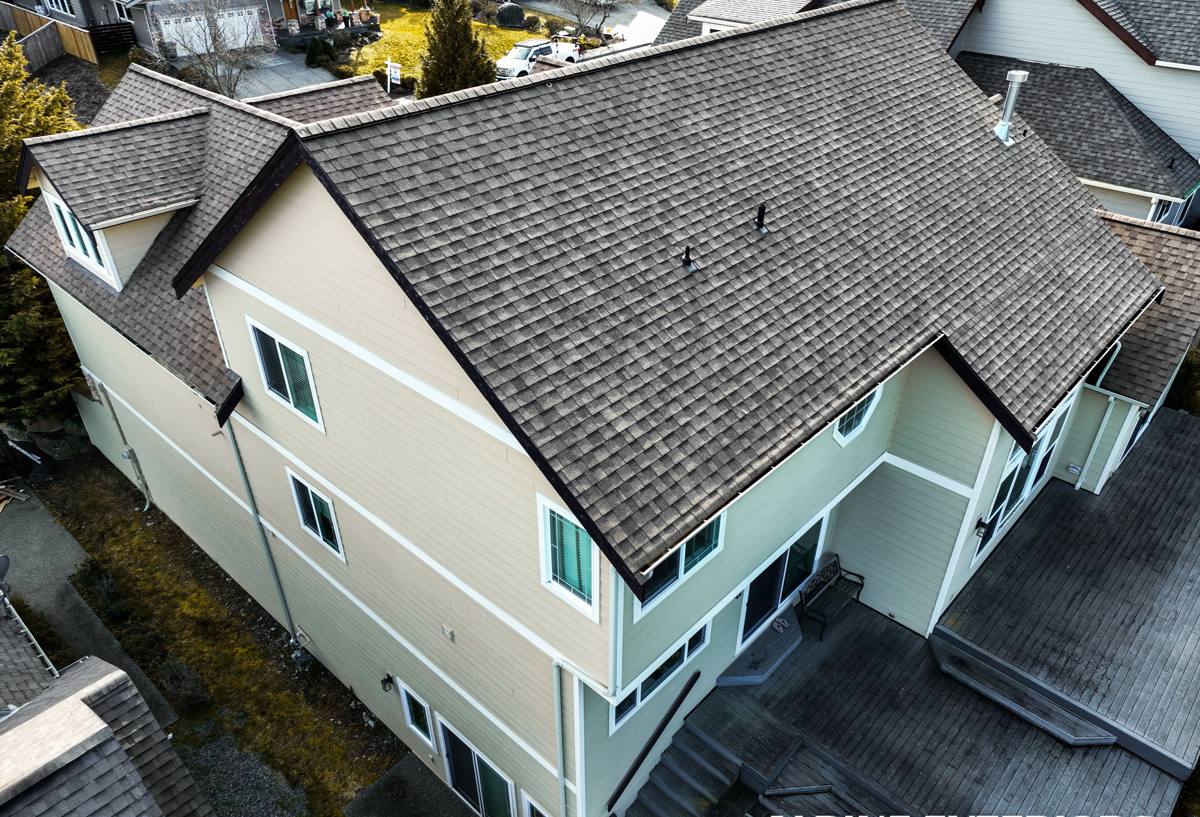
Signs Your Deck Needs Repair, Not Replacement
Most decks give warning signs well before they become unsafe. Catching these early is usually the difference between a repair job and a full rebuild.
- Soft, spongy, or springy spots when you walk across the decking
- Visible gaps, cupping, or splintering in individual boards
- Rust streaks around fasteners or hardware
- A ledger board (where the deck attaches to the house) that looks damp, discolored, or separated from the siding
- Wobbly railings or posts that move when pushed
- Persistent moss or algae buildup that returns quickly after cleaning
- Stair stringers that flex or creak under normal use
- Visible daylight or gaps where support posts meet footings
If you're only seeing one or two of these, in one area, that's usually a repair. If several of these show up across the whole structure, it's worth having someone look at whether repair is still the right call.
What a Correct Deck Repair Actually Involves
A repair that only replaces the boards you can see from the top is a cosmetic fix, not a structural one. Doing it right means starting underneath.
Structural Inspection First
Before we replace a single board, we check the framing — joists, beams, posts, and footings — for soft spots, rot, or movement. Decking is the easy, visible part. The framing underneath is what actually holds the deck up, and it's usually where the real problems are hiding, especially on older decks that have seen years of moisture exposure.
Ledger Board and Flashing
The ledger board, where the deck bolts into the house, is one of the most common failure points we find on older Seattle decks. If it wasn't flashed correctly when the deck was built — or if the flashing has failed over time — water gets behind it and rots both the ledger and the framing it connects to. This is a life-safety issue, not just a cosmetic one, and it's one of the first things we check on any repair.
Fasteners and Hardware
Old nails, undersized screws, or the wrong grade of hardware are a frequent source of failure. In our climate, hardware needs to be rated to resist corrosion from constant moisture exposure — using the wrong fasteners is a common shortcut that shows up as rust streaks and loosening connections a few years down the road.
Repair vs. Replacement: How We Decide
Not every deck with problems needs to come down. Here's the general framework we use when walking a Wallingford property.
| Factor | Repair Usually Makes Sense | Replacement Usually Makes Sense |
|---|---|---|
| Framing condition | Joists and beams are solid, isolated soft spots | Widespread rot in joists, beams, or posts |
| Ledger board | Intact, properly flashed, minor repair needed | Rotted, unflashed, or pulling away from the house |
| Age of structure | Under 15-20 years, built to a reasonable standard | Older structure with outdated or undersized framing |
| Decking surface | Isolated board damage, otherwise sound | Widespread cupping, splintering, or soft boards |
| Footings | Stable, no heaving or settling | Cracked, undersized, or shifting footings |
Most of the time, the honest answer is somewhere in between — repair the framing issues now, replace the decking surface at the same time, and get another decade or more out of the structure without paying for a full rebuild.
Common Issues in Wallingford's Older Housing Stock
Decks Added to Older Homes
A lot of decks in this part of Seattle were added years after the original home was built, sometimes by different builders using different standards. That means the connection between deck and house — the ledger, the flashing, the structural tie-in — is often the weakest link, even when the visible decking looks fine. We pay close attention to this any time we're working on a deck attached to an older home.
Cedar and Composite Decking Considerations
Cedar has been a popular choice in the Pacific Northwest for decades because it resists rot reasonably well and looks the part, but it still needs regular cleaning and sealing to hold up against our wet season — skip that maintenance for a few years and moss and gray weathering take hold fast. Composite decking cuts down on that maintenance burden and resists moisture damage better over the long run, but it comes with its own trade-offs: it costs more up front, it can be less forgiving if the underlying framing isn't dead level, and warranty coverage varies quite a bit between products. We'll walk you through what makes sense for your specific deck rather than pushing one material as a default answer.
Our Deck Repair Process
- On-site inspection — we check framing, ledger, fasteners, footings, and the decking surface, and walk you through what we find in plain terms.
- Written scope and estimate — a clear breakdown of what needs repair, what's optional, and what it costs, with no vague allowances.
- Permit check — if the scope of work requires it under Seattle or King County rules, we handle that step so you don't have to.
- Structural repair first — framing, ledger flashing, and hardware get addressed before any cosmetic work begins.
- Decking and railing repair or replacement — matched or replaced as needed, with fasteners rated for our climate.
- Final walkthrough — we go over the completed work with you before calling the job done.
Materials and Hardware We Use
We use pressure-treated lumber rated for ground contact where it's structurally appropriate, corrosion-resistant fasteners and structural hardware suited to a wet marine climate, and flashing detailed to actually shed water away from the house rather than trap it. When a homeowner wants composite decking for the surface, we still build the framing underneath to the same structural standard — the visible material is only as good as what's holding it up.
Maintenance Tips to Extend a Repair's Life
A repair done right will still need some upkeep to get its full lifespan out of it, especially given how long our wet season runs.
- Clean moss and debris off decking at least once before winter and once in spring
- Keep gutters and downspouts clear so runoff isn't draining onto the deck surface
- Reseal or re-stain wood decking on the schedule the product calls for, not just when it looks faded
- Check the ledger board area and any visible fasteners once a year for early signs of rust or moisture
- Trim back vegetation that's shading or holding moisture against the deck
Why Hire a Crew That Already Works in Wallingford
Deck repair in this neighborhood isn't the same job as deck repair somewhere dry and sunny. A crew that already works throughout Seattle and King County knows what our rain and moss season actually does to framing and hardware over time, understands the local permit process, and has seen the specific problems that show up on the kind of older housing stock common in Wallingford. That familiarity means fewer surprises once we open things up, and a repair that's built for the conditions your deck will actually face, not a generic fix.
If you've got a soft spot, a wobbly railing, or just want an honest opinion on whether your deck needs repair or replacement, we're happy to take a look. Use the form below to request a free, no-pressure estimate.