 Seattle Exterior
 Why Queen Anne Decks Wear Out Differently
Queen Anne sits high above the rest of Seattle, and that elevation is a blessing and a curse. The views are part of why people love the neighborhood, but the same exposure that gives you a good sightline to Puget Sound and downtown also means your deck takes a beating that a deck tucked into a low, sheltered lot in another part of King County simply doesn't face. Wind off the water, near-constant damp air, and long stretches without direct sun all add up over the years.
We've replaced enough decks on this hill to see the pattern repeat: a deck that looked fine from the yard has a ledger board rotting where it meets the house, joists gone soft under a coat of moss and leaf litter, and post bases sitting in standing water because the original grading never sent runoff anywhere useful. None of that shows up until you're already dealing with a soft board or a railing that flexes when you lean on it.
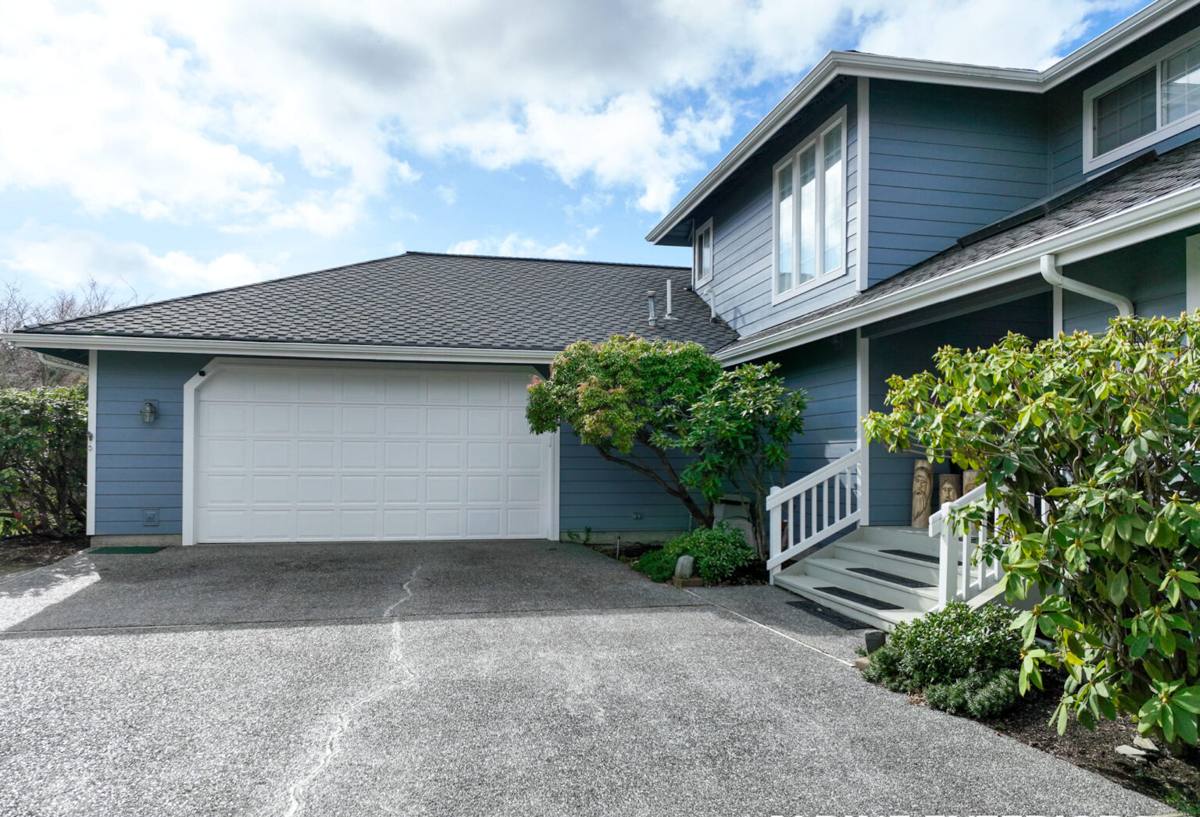
What Seattle's Climate Actually Does to a Deck
Rain That Doesn't Let Up
Seattle's rain isn't usually the dramatic kind — it's the slow, driving, day-after-day kind that finds every gap in flashing, every unsealed fastener hole, and every spot where two boards butt together without a drainage path. Wood that's constantly damp, even if it's never technically "wet," is wood that's decaying. Moisture wicks into end grain, into old screw holes, and into any joint where the original builder didn't leave a gap for water to escape.
A Moss Season That Runs Most of the Year
Between the shade from mature trees common on Queen Anne lots and the long wet stretch from fall through spring, moss and algae get a real foothold on deck boards, especially on the north or east side of a house where sun rarely reaches. Moss holds moisture against the wood surface far longer than open air would, and it turns a walking surface slick and dangerous long before it looks like a serious problem.
Salt Air Off the Water
Homes with any exposure toward the Sound pick up a fine, steady dose of salt-laden air. It's not the same intensity you'd get on an oceanfront property, but over years it accelerates corrosion on fasteners, hardware, and any exposed metal connectors. A deck built with standard interior-grade screws or connectors will show rust and weakening well before one built with fasteners rated for exterior, corrosive-exposure use.
Signs Your Deck Has Crossed from "Repair" to "Replace"
- Soft, spongy spots when you walk the deck, especially near the house or around post locations
- A ledger board that's separating from the house or showing water staining on the siding above it
- Rust streaks running down from screw heads, joist hangers, or railing hardware
- Persistent moss or algae that returns within weeks of cleaning
- Railings or stairs that flex, wobble, or feel less solid than they used to
- Visible daylight or gaps where framing members meet, suggesting movement or rot underneath
- A deck older than 20-25 years that has never had major structural work
Any one of these on its own might mean a targeted repair. Two or three together, especially involving the ledger or main support posts, usually means the structure has aged out and patching it is a short-term fix on a long-term problem.
What a Correct Deck Replacement Involves
Starting With the Ledger and the Attachment to Your House
The ledger board — where the deck ties into the house framing — is the single most important connection on the whole structure, and it's also the piece most likely to have failed quietly for years before anyone notices. A proper replacement means removing the old ledger entirely, inspecting the rim joist and sheathing behind it for hidden rot, and installing new flashing that actually sheds water away from the house instead of trapping it against the wall. This is the step that gets skipped or done poorly on cheap jobs, and it's the one that causes the most expensive damage down the line.
Framing for Queen Anne's Hills
A lot of homes up here sit on sloped lots, which often means decks with taller posts, deeper footings, and more engineering behind the scenes than a flat-yard deck would need. Post height and footing depth both affect how much a deck moves with wind and settling, and undersized footings on a slope are a common weak point we find on older decks. Replacing a deck on a hillside lot is a different job than replacing one on level ground, and it should be framed and engineered accordingly, not built off the same generic plan.
Fasteners and Hardware That Match the Exposure
Given the salt air and year-round dampness, we use fasteners and structural connectors rated for exterior, corrosion-prone environments as standard practice, not an upsell. Mixing incompatible metals — for example, certain hardware with certain treated-lumber chemicals — can actually accelerate corrosion, so matching the connector type to the lumber treatment matters more than most homeowners realize.
Drainage Built In, Not Bolted On
Board spacing, joist slope, and ledger flashing all need to work together to move water off the deck and away from the house foundation. On a lot with any grade to it, we also pay attention to where that water goes once it leaves the deck — sending it toward a foundation wall just relocates the moisture problem instead of solving it.
Comparing Decking Materials for This Climate
| Material | Moisture Behavior | Moss/Algae Resistance | Maintenance | Typical Lifespan Here |
|---|---|---|---|---|
| Pressure-treated lumber | Absorbs and releases moisture; needs sealing | Moderate — moss grows without upkeep | Annual cleaning, periodic sealing | 15-20 years |
| Cedar | Naturally moisture-resistant but still needs finish | Moderate; slower to trap water than PT lumber | Regular finish reapplication | 15-20 years |
| Composite decking | Does not absorb moisture into the board core | Better, though surface film can still grow on shaded boards | Occasional washing, no sealing | 25-30 years |
| PVC decking | Fully moisture-resistant board material | Best of the group with regular washing | Lowest maintenance | 25-30+ years |
We don't push any one product as the automatic right answer. A cedar deck maintained on schedule can look better than any composite ever will, but that only holds true if the maintenance actually happens every year. Composite and PVC cost more upfront and trade that classic wood look for a much lower long-term maintenance burden — which one makes sense depends on your budget, how much upkeep you're realistically going to do, and how long you plan to stay in the house.
How Our Replacement Process Works
- On-site assessment — we walk the existing deck, check the ledger, posts, and footings, and identify anything hidden that a surface inspection would miss.
- Honest scope discussion — we tell you plainly whether you're looking at a full replacement, a partial rebuild, or a repair, and why.
- Design and material selection — sizing, layout, railing style, and decking material chosen based on your home, your budget, and how the deck will be used.
- Permitting — Seattle requires permits for most deck replacements, especially anything involving structural changes, height above grade, or footprint changes; we handle that process rather than leaving it to you.
- Demolition and disposal — full removal of the old structure, checking the framing and siding behind it for damage before anything new goes up.
- Framing and structural work — ledger, posts, footings, and joists built to current code, sized for the site's slope and exposure.
- Decking, railing, and finish work — installed with attention to spacing, drainage, and fastener choice.
- Final walkthrough — we go over the finished deck with you and explain what maintenance, if any, it needs going forward.
What to Ask Before Hiring Anyone for This Job
- Will you pull a permit for this job, and who is responsible for scheduling inspections?
- Will the ledger and flashing be fully replaced, or just tied into the existing attachment?
- What fastener and hardware grade will you use, and is it rated for coastal/corrosive exposure?
- Are footings sized and engineered for this specific lot's slope, or built to a standard plan?
- Do you carry liability insurance and workers' comp coverage, and can you show proof?
- Have you worked on Queen Anne or comparable hillside lots in Seattle before?
- What does the written estimate include, and what would trigger a change order?
A contractor who answers these clearly and specifically, without hedging, is telling you something. One who brushes past them is telling you something too.
Caring for a New Deck in This Climate
Whatever material you choose, a few habits go a long way in King County's wet climate. Keep gutters and downspouts clear so overflow isn't dumping extra water onto the deck surface. Sweep off leaves and debris before they have a chance to trap moisture against the boards, especially heading into fall. If you have a wood deck, don't let sealing lapse — once the finish fails, moisture gets into the wood fast and the clock on rot starts running. And take a look under the deck once or twice a year; problems at the ledger, posts, or footings almost always show themselves there long before they're visible from on top.
Why a Crew That Already Works Queen Anne Matters
Building or replacing a deck on a hillside lot in Seattle isn't the same job as doing it on flat ground somewhere inland. Access can be tight, slopes affect how footings and posts get engineered, and the exposure to wind, rain, and salt air off the water is more aggressive than in a sheltered neighborhood. A crew that's done this work up here already knows what King County's permitting process expects, has a feel for how these lots drain, and isn't learning those lessons on your project. That experience shows up in the details — the flashing that actually works, the footing depth that accounts for the slope, the hardware that won't be rusting out in five years.
If your deck is showing its age or you're just not sure whether it's a repair or a replacement, we're glad to take a look. Use the form below to request a free, no-pressure estimate — we'll give you a straight assessment and let you decide from there.