 Seattle Exterior
 Why Columbia City Homes Need Windows Built for This Climate
Columbia City sits in Southeast Seattle, close enough to Puget Sound and Lake Washington that homes here deal with a steady diet of marine moisture year-round. Add King County's long, gray wet season and the salt-tinged air that drifts in off the water, and you've got a climate that's genuinely hard on windows. It's not dramatic weather — no hailstorms, no hurricanes — but it's relentless, and relentless is what wears out a window system over time.
A lot of the housing stock in and around Columbia City dates back to the early-to-mid 1900s, with plenty of bungalow and craftsman-style homes still carrying original or early-replacement windows. Those windows were built for a different era of materials and a different set of expectations around energy efficiency. When we're called out to a home in this neighborhood, the story is usually the same: single-pane or early dual-pane glass, wood sashes that have taken on moisture for decades, and hardware that's stiff, swollen, or simply worn out.
Energy-efficient windows done right aren't just about a lower heating bill, though that matters. In this climate, the bigger issue is keeping water and moisture out of the wall assembly in the first place. A window that leaks air is uncomfortable. A window that leaks water is a rot and mold problem waiting to happen.
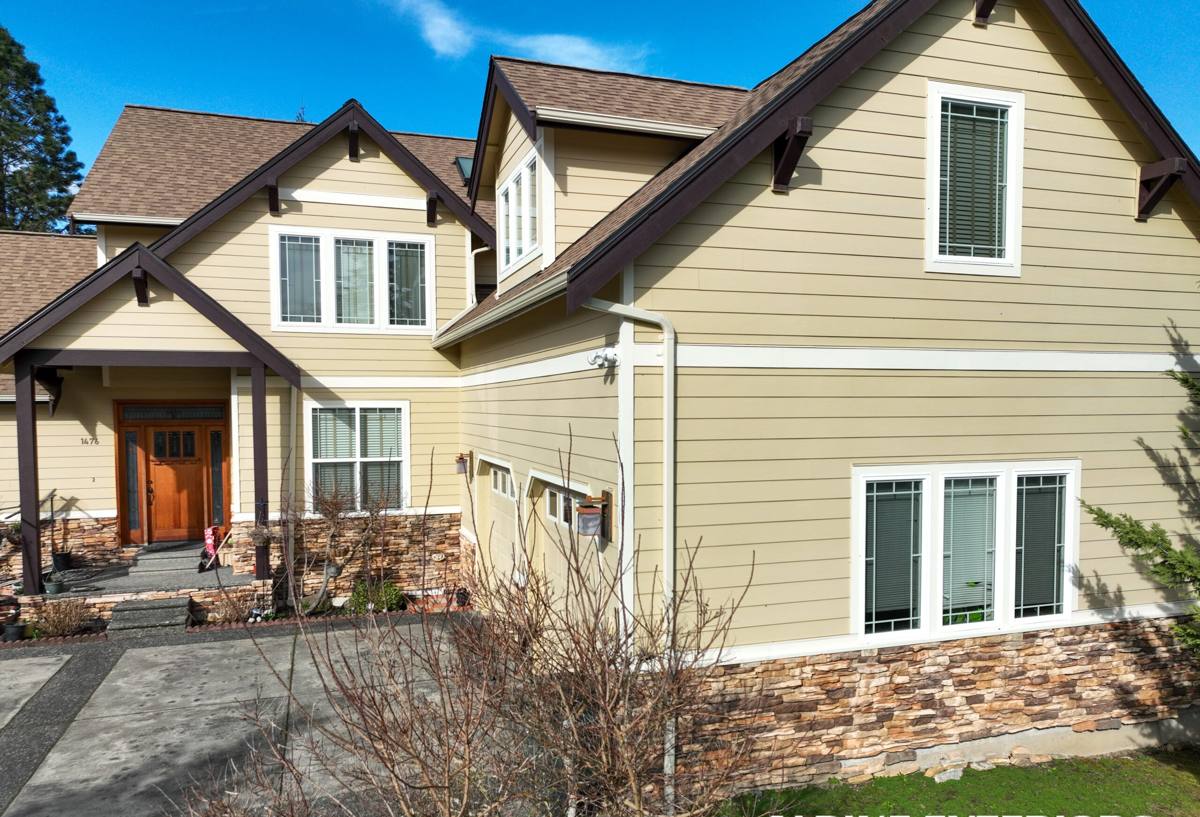
The Real Climate Challenges Facing Columbia City Windows
Salt Air and Metal Fatigue
Homes closer to Puget Sound and Lake Washington deal with airborne salt and mineral content that settles on exterior surfaces, including window frames and hardware. Over years, this accelerates corrosion on lower-grade metal components — hinges, balance systems, screen frames, and cheaper aluminum cladding. It doesn't happen overnight, but it's a slow tax on anything not built with corrosion resistance in mind.
Driving Rain and Water Intrusion
Seattle rain isn't usually heavy, but it's frequently wind-driven, which means it hits window assemblies at an angle rather than falling straight down. That's a very different load than a window flashing detail designed for vertical rain only. Wind-driven rain finds gaps in flashing, worn weatherstripping, and failed sealant joints that would never leak in a calmer climate. This is one of the most common reasons we find water staining or soft wood around window openings on older Columbia City homes — not a single big storm, but years of rain finding the same weak point over and over.
The Long Moss Season
King County's moss season stretches across most of the fall, winter, and spring. Moss and algae thrive anywhere shaded and consistently damp — north-facing walls, areas under eaves, and window sills that don't get much sun or airflow. Moss holds moisture directly against wood trim and sills far longer than open air would, which speeds up rot in exactly the spots where a window depends on solid wood to hold its seal.
What a Correct Energy-Efficient Window Installation Actually Involves
"Energy-efficient" gets used loosely in this industry. A window can carry a good efficiency rating on paper and still perform poorly if it's installed wrong. In our experience, the installation detail matters as much as the window itself — sometimes more.
Frame Material Matters for This Climate
Wood frames look great and perform well when maintained, but they demand upkeep — repainting, caulking, and periodic inspection — that a lot of homeowners don't have time for. Vinyl and fiberglass frames handle Seattle's moisture cycle with far less maintenance, and quality fiberglass in particular resists the expansion and contraction that leads to sealant failure over time. We steer homeowners toward the option that matches how much upkeep they actually want to do, not just the lowest sticker price.
Glazing and Gas Fill
Dual-pane, low-E glass with an argon or krypton gas fill is the baseline we recommend for this region. Low-E coatings reduce heat loss in winter and cut down on solar heat gain in the rare stretches of strong summer sun, while the gas fill slows heat transfer between panes. For homes with more exposure to wind or noise from nearby streets, a heavier glass package or triple-pane option is worth discussing, though it's not necessary for every home.
Flashing and Sealing — the Part Most Installers Rush
This is where a rushed job and a correct job diverge. Proper installation means integrating window flashing with the home's existing weather-resistive barrier, using a sloped sill pan so any water that does get past the glass drains outward instead of pooling, and sealing the interior and exterior perimeters with the right materials in the right order. Skip any one of these steps and you can end up with a brand-new, high-efficiency window that still lets water into the wall cavity. We've replaced plenty of "good" windows that failed early simply because the flashing behind them was never done correctly.
Comparing Common Window Frame Options
| Frame Material | Moisture Resistance | Maintenance Needs | Best Fit |
|---|---|---|---|
| Vinyl | Good | Low | Budget-conscious replacements, rental properties |
| Fiberglass | Excellent | Low | Long-term owners wanting minimal upkeep |
| Wood | Fair (needs upkeep) | High | Historic-character homes where original look matters |
| Wood-clad (wood interior, aluminum or vinyl exterior) | Good to excellent | Moderate | Homeowners wanting a wood interior with less exterior maintenance |
There's no single "correct" answer here — it depends on how much maintenance you want to take on, whether you're trying to preserve a historic look, and your budget. We'll walk through the honest trade-offs for your specific home rather than pushing one product line.
How Our Process Works
- On-site assessment. We look at your current windows, the condition of the surrounding trim and sheathing, and how exposure and shading affect each elevation of the house.
- Honest recommendation. We'll tell you which windows need replacement now, which can wait, and which frame and glazing package fits your home and budget — no upselling to a package you don't need.
- Careful removal. Old windows come out without damaging surrounding siding or trim any more than necessary, and we check the wall opening for hidden rot or moisture before anything new goes in.
- Correct flashing and sill pan installation. This is the step that determines whether the window performs for twenty years or five.
- Precision fit and insulation. The new window is set level, plumb, and square, then insulated around the perimeter without over-packing, which can bow the frame.
- Sealing, trim, and cleanup. Interior and exterior sealing is finished, trim is reinstalled or replaced as needed, and the site is cleaned up before we walk you through the finished work.
Signs Your Current Windows Are Costing You Money
- Visible condensation or fogging between panes (a sign the seal has failed)
- Drafts you can feel near the frame even with the window closed
- Soft, discolored, or spongy wood on the sill or surrounding trim
- Windows that are difficult to open, close, or lock properly
- Visible moss, algae, or persistent green staining on sills or trim
- Noticeably higher heating bills compared to similarly sized nearby homes
- Paint peeling or bubbling on interior trim near the glass
Any one of these on its own isn't necessarily urgent. Several at once, especially on a home with original windows, usually means it's time for a real evaluation rather than another round of caulk and paint.
What Affects the Cost of a Window Project
| Factor | Why It Matters |
|---|---|
| Number and size of windows | Larger openings and full-house replacements naturally cost more than a handful of units |
| Frame material | Vinyl tends to run less expensive upfront than fiberglass or wood |
| Condition of the wall opening | Hidden rot or water damage found during removal adds repair work before the new window can go in |
| Glazing package | Standard dual-pane low-E costs less than upgraded triple-pane or specialty acoustic glass |
| Access and site conditions | Second-story windows, tight side yards, or landscaping obstacles can affect labor time |
| Trim and finish work | Matching existing exterior trim profiles or interior stain-grade wood adds time and cost |
Costs for a project like this vary widely from home to home, and we'd rather give you real numbers from an in-person look than a rough estimate that doesn't hold up once we see the actual condition of your windows and openings.
Why It Matters to Hire a Crew That Already Works in Columbia City
A window installer who mostly works drier inland areas doesn't always account for wind-driven rain, salt exposure, and a moss season that lasts most of the year. Those aren't abstract concerns — they change how flashing is detailed, which sealants hold up, and how much attention the sill and trim need before a window ever goes into the opening.
Working regularly in Seattle neighborhoods like Columbia City also means we're familiar with the kind of housing stock common here — older wood-frame homes, a mix of original and previously replaced windows, and the trim details that come with that era of construction. That familiarity shows up in fewer surprises during removal and a better match between the new windows and the character of the house.
Keeping New Windows Performing for Decades
Even the best window installation benefits from a little upkeep in this climate. Rinsing sills and tracks periodically helps prevent moss and algae from taking hold during the wet months. Checking exterior caulking once a year, especially after the first winter, catches small gaps before they become water intrusion points. If you chose wood or wood-clad frames, keeping paint or finish intact on exposed wood surfaces is the single biggest thing you can do to protect your investment. None of this is complicated, but it's the difference between windows that perform well for thirty years and ones that start showing problems in ten.
If your windows are drafty, foggy, hard to operate, or just old enough that you're wondering whether it's time, we're happy to take a look. We'll give you a straightforward read on what's actually going on and what your options are — no pressure, no hard sell. Use the form below to request a free estimate.