 Seattle Exterior
 Fremont's Climate Puts Real Demands on Windows
Fremont sits inside Seattle's marine climate zone, which means windows here deal with a lot more than the average sunny-day home improvement magazine assumes. Driving rain off Puget Sound, long stretches of damp overcast weather, and a moss season that can run for months put steady pressure on anything with a seal, a seam, or a wood component. Add in salt-laden air that reaches many Seattle neighborhoods off the Sound, and you have a climate that is genuinely harder on exterior building materials than most of the country.
Windows are one of the first places that pressure shows up. A window that was installed correctly ten or twenty years ago can still be doing its job quietly. A window that was installed with shortcuts — missing flashing, gaps in the weather barrier, caulk used in place of proper flashing tape — tends to announce itself eventually, usually as a soft spot in the wall, a musty smell, or a window that won't close right anymore.
Fremont also has a lot of mature tree cover, which is part of the neighborhood's character but also means more shade, more standing moisture on siding and trim, and more organic debris collecting around window sills and tracks. None of this is a reason to panic about your windows. It's just the reality of what "correct installation" needs to account for in this specific climate, as opposed to a generic install done the same way in a dry climate.
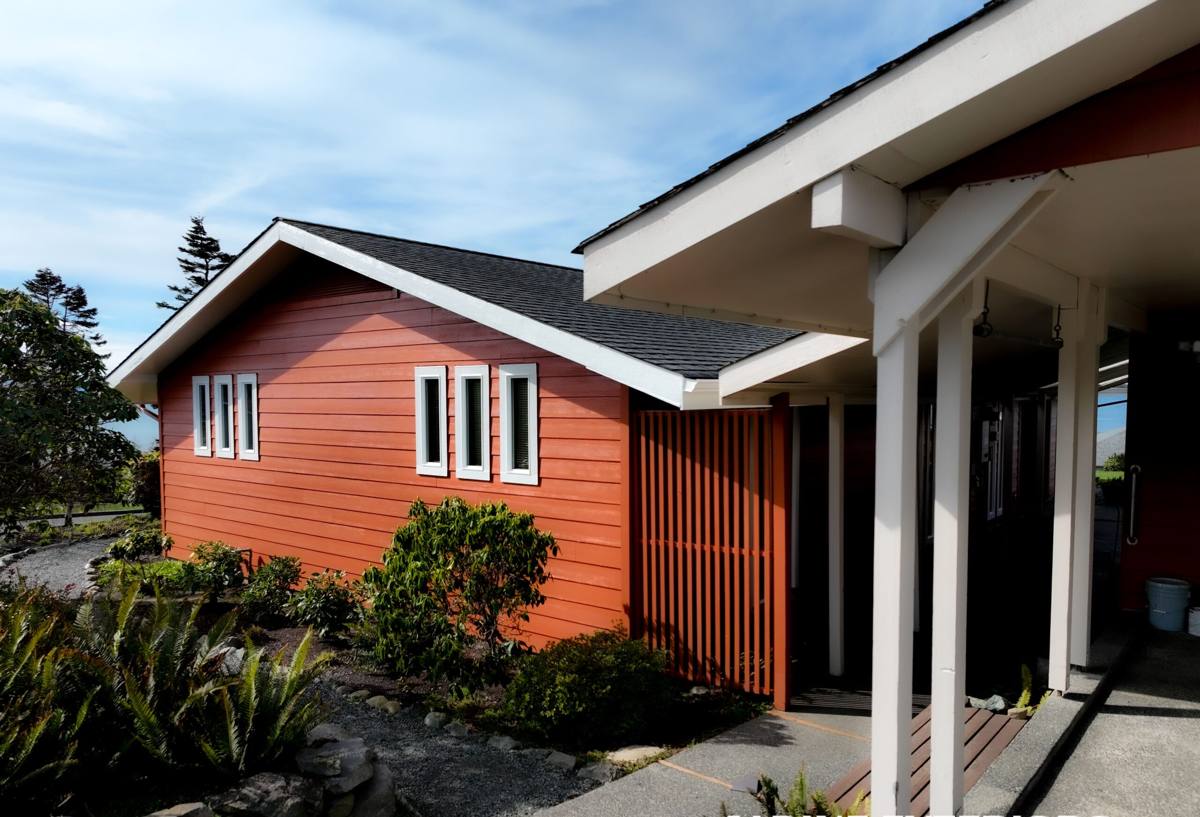
Signs a Fremont Home Needs New Windows
Most homeowners don't think about window replacement until something forces the issue. Here are the signs worth paying attention to before a small problem becomes an expensive one:
- Visible condensation or fogging between panes of double-glazed glass — a sign the seal has failed
- Drafts you can feel near the frame, even with the window fully closed and latched
- Wood trim or sills that feel soft, spongy, or show dark staining
- Windows that are difficult to open, close, or lock, or that have started to sag in the frame
- Visible gaps between the window frame and the siding or trim
- A noticeable rise in heating bills without any other explanation
- Moss or persistent green growth on the sill or lower frame that keeps coming back after cleaning
- Peeling paint or bubbling on interior trim around the window, which often points to moisture getting in from outside
Any one of these on its own might be minor. Several of them together, especially on windows that are original to an older home, usually mean it's worth having someone look at the whole opening — not just the glass, but the flashing and framing behind it.
What Correct Window Installation Actually Involves
Window installation looks simple from the outside: take the old unit out, put the new one in, caulk around the edges. Done wrong, that's exactly how leaks and rot start. Done right, it's a sequence that protects the wall assembly for decades, not just the glass itself.
Flashing and Moisture Barriers
The single most important part of a window installation is what you never see once the trim goes back on: the flashing. Properly lapped flashing tape and sill pans direct any water that gets past the window itself back out and away from the wall framing, rather than letting it sit and soak into wood sheathing. In a climate with as much driving rain as Seattle gets, this step matters more than the brand of window you choose. A high-end window installed without correct flashing will still leak eventually. A modest window installed with correct flashing will hold up for its full expected life.
Air and Water Sealing
Sealing isn't just a bead of caulk around the outside trim. It includes backer rod and sealant at the right joints, proper integration with the house wrap or weather-resistive barrier, and insulation in the gap between the window frame and the rough opening — not stuffed in so tight it bows the frame, and not left loose enough to let air move through.
Fit, Level, and Fastening
A window that's out of square or not shimmed correctly will bind, won't lock properly, and puts uneven stress on the seals over time. Getting the unit plumb, level, and square before it's fastened is what makes the window operate smoothly for years instead of months.
This is also where an older Fremont home can require extra judgment. Many houses in the neighborhood were built decades ago, and rough openings are rarely perfectly square by today's standards. A correct installation adjusts for that reality rather than forcing a modern window into an opening it wasn't built for.
Choosing the Right Window for a Fremont Home
There's no single "best" window material — there's a best fit for your home's age, exposure, and budget. Here's how the common options compare for a Seattle-area home:
| Material | Moisture Performance | Maintenance | Typical Cost Position |
|---|---|---|---|
| Vinyl | Good — won't rot, handles moisture well | Low — occasional cleaning | Most affordable |
| Fiberglass | Very good — dimensionally stable, resists warping in wet-dry cycles | Low | Mid to upper-mid |
| Wood-clad | Good if maintained; the exterior clad protects the wood interior look | Higher — exposed wood surfaces need periodic attention | Higher |
| Aluminum | Prone to condensation without thermal breaks; less common for residential retrofits here | Low | Varies |
For a marine climate with this much rain and humidity, we generally steer homeowners toward vinyl or fiberglass for most applications — both handle moisture cycling well and don't ask for ongoing upkeep. Wood-clad windows can be a good fit for homes where matching original architectural character matters, as long as the homeowner understands the maintenance commitment that comes with any exposed wood on the exterior. We'll walk through the honest trade-offs for your specific house rather than pushing one product line.
What Affects the Cost of a Window Project
Every home is different, so we won't quote a number without seeing the job, but the main cost drivers are consistent across most projects:
- Number and size of openings — more windows and larger units both add material and labor time
- Replacement type — a straightforward insert replacement into an existing, sound frame costs less than a full-frame replacement that requires removing trim and rebuilding the opening
- Condition behind the existing window — if there's rot or water damage once the old unit comes out, that repair is additional work, and we'll always show you what we find before proceeding
- Window material and glass package — vinyl vs. fiberglass vs. wood-clad, and standard double-pane vs. upgraded glass for noise or efficiency
- Access and site conditions — second-story windows, tight side yards, or landscaping that limits access can add time
- Trim and finish work — matching existing exterior trim profiles, especially on older craftsman-style homes, takes more care than a standard trim wrap
As a general rule, full-frame replacements on homes with older, non-standard openings cost more than insert replacements on homes with sound, standard-sized frames. We'll tell you plainly which situation your home falls into before any work starts.
Our Installation Process
- On-site assessment. We look at each opening, not just the glass — checking the condition of the framing, sill, and existing flashing or weather barrier.
- Honest scope and estimate. You get a clear breakdown of what's needed, including any repair work if we find hidden moisture damage, before we start.
- Careful removal. Old units are removed without unnecessary damage to surrounding siding or trim, and we check what's behind the opening as soon as it's exposed.
- Flashing and sealing done to sequence. Sill pan, flashing tape, and weather barrier integration happen in the correct order — this is the step that determines whether the window performs for the next twenty years.
- Precision fit. The new window is set plumb, level, and square, then fastened and insulated correctly around the frame.
- Finish work. Interior and exterior trim is completed to match your home as closely as possible.
- Final check and cleanup. We test operation, check the seal, and leave the site clean.
Why a Crew That Already Works Fremont Matters
Window installation isn't a one-size-fits-all trade. A crew that regularly works in Fremont and similar Seattle neighborhoods has already seen the patterns that come with this area's housing stock — older craftsman and bungalow-style homes with rough openings that don't match modern window sizing, wood trim profiles that need to be matched rather than replaced with generic stock, and the kind of moisture damage that this specific climate produces after decades of driving rain.
That local familiarity matters in practical ways: knowing what to expect when an old window comes out, having a realistic sense of how long a project should take given typical access and site conditions in the area, and understanding what King County permitting requires for window replacement versus a full opening change. It also means fewer surprises mid-project, because the crew has already worked through most of the situations an older Seattle home can present.
Beyond the technical side, there's value in working with a crew that's genuinely local — one that can show up for a warranty check or a follow-up question without treating your project as a one-time transaction from out of the area.
Caring for New Windows Through Seattle's Wet Season
A correctly installed window is largely maintenance-free, but a little seasonal attention extends its life and keeps it performing well through the wettest months:
- Clear debris and moss from sills and tracks a couple of times a year, especially under tree cover
- Check that exterior caulk lines remain intact — small cracks are easy to catch early and much cheaper to address than a failed seal
- Keep gutters and downspouts clear so water isn't sheeting down over window heads
- Operate windows periodically through the year so hardware and weatherstripping don't seize up from disuse
- Watch for any new drafts, sticking, or interior condensation, and address them before the next wet season arrives
None of this requires special products or a service contract — it's the same kind of basic upkeep that keeps any exterior component of a Puget Sound home performing well year after year.
If your Fremont home has windows that are drafty, foggy, hard to operate, or original to a much older build, we're happy to take a look and give you a straightforward assessment — no pressure, no upsell. Use the form below to request a free estimate and we'll get back to you with next steps.