 Seattle Exterior
 New Roof Installation in Green Lake
Green Lake is one of Seattle's older, more established neighborhoods, and it shows in the roofs. A lot of the housing stock here dates back to the 1920s through the 1950s — Craftsman bungalows, Tudor-style cottages, and postwar houses tucked under mature trees near the lake and the surrounding parks. Many of those roofs have been re-covered once or twice already, sometimes with shortcuts that catch up with a homeowner ten or fifteen years later. When it's time for a full tear-off and new roof, the goal isn't just to put something watertight overhead — it's to install a roofing system that's actually built for what this specific part of King County throws at it year-round.
That means accounting for the marine air moving in off Puget Sound, the long stretches of driving, wind-blown rain typical of a Pacific Northwest winter, and a moss season that in the Seattle area can run nearly nine months out of twelve on a shaded roof. A roof designed for a drier climate, or installed by someone unfamiliar with local conditions, tends to fail here in predictable ways — usually years before it should.
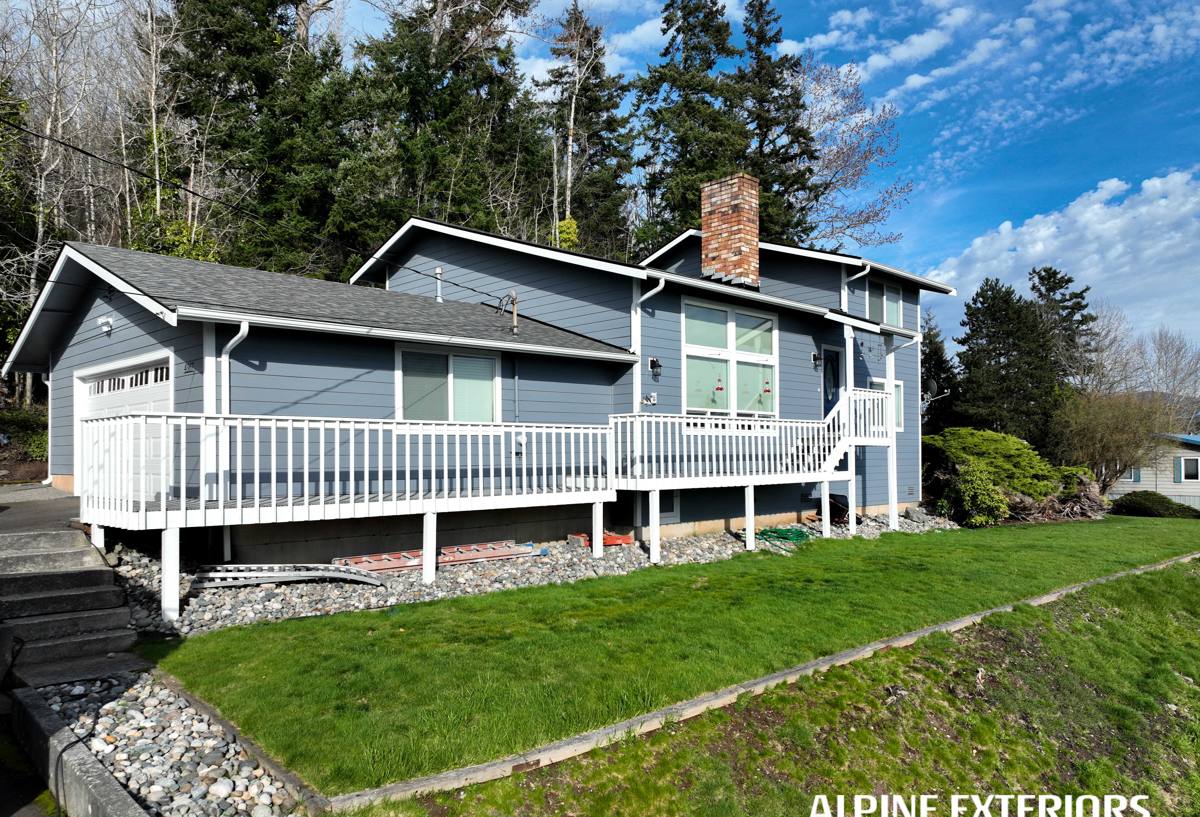
What Seattle's Climate Does to a Roof
Roofing failures in Green Lake rarely come from one dramatic event. They're almost always the slow result of moisture and organic growth doing their work, season after season.
Moss and Organic Growth
The tree canopy around Green Lake and the shaded lots throughout the neighborhood keep a lot of roof surfaces damp longer than they'd like to be. Moss and algae take hold in those shaded, north-facing, or heavily treed sections first. Once established, moss holds moisture directly against the roofing material, lifts shingle edges, and works its way under flashing over time. A roof that looks fine from the ground can already have moss doing structural damage underneath.
Driving Rain and Wind-Driven Moisture
Seattle doesn't get the heaviest total rainfall in the country, but it gets a lot of sustained, wind-driven rain — the kind that pushes water sideways into laps, seams, and flashing rather than letting it run straight off. Roofs with marginal underlayment, poorly sealed penetrations, or undersized flashing details are the ones that develop leaks during these stretches, often well before the shingles themselves are worn out.
Marine Air and Material Fatigue
Being close to Puget Sound means homes throughout the greater Seattle area, including inland neighborhoods like Green Lake, deal with salt-laden marine air more than homeowners often expect. Over years, that air accelerates corrosion on exposed metal fasteners, flashing, and vents that aren't rated for it — one more reason material selection and detail work matter more here than in a drier, inland climate.
Signs a Green Lake Home Needs a New Roof
Roof age is the first thing to check, but age alone doesn't tell the whole story on a moss-prone, rain-heavy roof. Look for these signs, or have a contractor check for them if you're not comfortable getting on the roof:
- Shingles that are cupping, curling, or losing granules in patches, especially on shaded slopes
- Moss or dark algae streaking that keeps coming back even after cleaning
- Soft spots, sagging, or visible unevenness in the roof plane
- Daylight visible through the attic roof deck, or damp insulation below it
- Rusted, lifted, or missing flashing around chimneys, skylights, and vent pipes
- Granules collecting in gutters, or gutters that need cleaning far more often than they used to
- Interior water stains on ceilings or upper walls, particularly after a wind-driven storm
- A roof that's had multiple past repairs concentrated in the same area
Any one of these on its own might just mean a repair. Several at once, or a roof already past 20-25 years old, usually means it's time to start planning for a full replacement rather than another patch.
What a Correct Roof Installation Actually Involves
A roof is a system, not a single product, and skipping steps in that system is exactly how a roof that should last decades starts leaking in five years. A correct installation on a Green Lake home includes:
Full Tear-Off and Deck Inspection
Layering new shingles over old is a common shortcut, but it traps moisture, voids most manufacturer warranties, and hides the condition of the roof deck underneath. A proper job strips the roof down to the sheathing so any rot, soft spots, or damaged decking — common on older Green Lake homes where past leaks went unnoticed — can actually be found and replaced.
Ice-and-Water and Synthetic Underlayment
Given how much wind-driven rain this area sees, underlayment isn't a place to cut corners. Self-adhering ice-and-water membrane belongs at eaves, valleys, and around penetrations, with a quality synthetic underlayment across the rest of the field to give the roof a real second line of defense if wind ever drives water past the primary roofing material.
Flashing Done Right
Chimneys, skylights, sidewalls, and vent penetrations are where the large majority of Seattle-area roof leaks actually start — not in the open field of the roof. Correctly stepped and counter-flashed details, using corrosion-resistant metal suited to marine air, are non-negotiable on a house this close to the Sound.
Ventilation
Balanced intake and exhaust ventilation keeps the attic temperature and moisture level in check, which matters both for ice-damming risk and for controlling the humid, shaded conditions that let moss and mold get started in the first place. A new roof installed without addressing ventilation is missing part of the job.
Roofing Material Options for Green Lake Homes
There's no single "best" roofing material — the right choice depends on the home's roof pitch, budget, architectural style, and how much shade and moss exposure the property deals with.
| Material | Typical Lifespan | How It Handles Seattle's Climate |
|---|---|---|
| Architectural asphalt shingles | 25-30 years | Good moisture and moss resistance with algae-resistant granules; the most common choice for Green Lake's Craftsman and bungalow-style homes |
| Standing seam metal | 40-50+ years | Sheds moss and moisture very well due to smooth, sloped surface; needs marine-grade fasteners and coatings near the Sound |
| Cedar shake (where still used) | 20-30 years with upkeep | Traditional look for older homes, but requires more diligent moss and moisture management; higher maintenance in a wet, shaded climate |
| Composite/synthetic shingle | 30-50 years | Resists moisture absorption and moss better than wood, good option for shaded, tree-heavy lots |
For most Green Lake homes, a quality architectural asphalt shingle with algae-resistant granules offers the best balance of cost, appearance, and performance against local moss and moisture. Homes with heavier tree cover or owners planning to stay long-term sometimes get more value out of metal or composite roofing, even at a higher upfront cost.
Our Installation Process
- On-site inspection and estimate. We walk the roof and attic, check the deck condition where accessible, and note flashing, ventilation, and moss issues specific to your property.
- Material selection. We go over options suited to your home's style, roof pitch, budget, and shade exposure — no pressure toward the most expensive option if it isn't the right fit.
- Permitting. Roof replacements in Seattle typically require a permit; we handle that process so you don't have to chase it down yourself.
- Tear-off and deck repair. Old roofing is removed completely, the deck is inspected, and any damaged sheathing is replaced before anything new goes down.
- Underlayment and flashing installation. Ice-and-water membrane, synthetic underlayment, and new flashing go in at every vulnerable point on the roof.
- Roofing material installation. Installed to manufacturer specifications, with attention to nailing patterns, exposure, and sealing that directly affects wind and rain performance.
- Ventilation check and final walkthrough. We confirm intake and exhaust ventilation is balanced, clean up the site, and walk the finished roof with you.
Cost Factors for a New Roof
Every roof is different, but the same handful of factors drive most of the cost variation we see on Green Lake homes.
| Factor | Why It Matters |
|---|---|
| Roof size and complexity | More squares, valleys, dormers, and roof planes mean more material and labor |
| Material choice | Asphalt shingles are the most budget-friendly; metal and composite cost more upfront but last longer |
| Deck condition | Rot or damage found during tear-off adds repair costs that can't always be predicted beforehand |
| Roof pitch and access | Steeper roofs and limited access (tight lots, mature trees close to the house) add labor time |
| Number of penetrations | Chimneys, skylights, and vents each need proper flashing, which adds material and labor |
| Tear-off layers | Removing multiple old roofing layers takes more time than a single-layer tear-off |
Without seeing the roof, we won't guess a number — but broadly, a full asphalt shingle replacement on a typical Green Lake home tends to run in the mid-five-figure range, with metal or composite roofing running higher. An on-site estimate is the only way to get a number that actually reflects your roof.
Why Hire a Crew That Already Works in Green Lake
Roofing crews that mostly work drier, less tree-covered parts of the country — or even other parts of King County with different housing stock — don't always account for what a shaded, moss-prone, rain-heavy neighborhood like Green Lake actually demands. A crew that regularly works this neighborhood already understands the roofline styles common to its bungalows and Tudor cottages, knows how to sequence a tear-off around mature trees and tighter urban lots, and is familiar with the City of Seattle's permitting process rather than treating it as a surprise. That local familiarity shows up in fewer change orders, fewer callbacks, and a roof that's actually built for the conditions it has to survive.
Get a Free Estimate
If your roof is showing its age, holding onto moss no matter how often it's cleaned, or you just want an honest opinion on how much life it has left, we're glad to take a look. The estimate is free, there's no pressure, and you'll get a straight answer about whether you need a full replacement, a repair, or just some maintenance to buy more time. Use the form below to get started.