 Seattle Exterior
 Why Kirkland Roofs Wear Differently Than Roofs Inland
Kirkland sits close to Lake Washington, in a stretch of King County where moisture rarely lets up for long. That combination of driving rain off the water, a mild but damp climate, and long stretches of shade under mature trees creates conditions that are genuinely harder on an asphalt shingle roof than what you'd see on the dry side of the state. It isn't dramatic weather, day to day it's just persistent, and persistent moisture is exactly what shingles struggle with over time.
Three things stand out when we work on roofs in this area. First, wind-driven rain doesn't fall straight down, it gets pushed sideways under shingle tabs and around flashing details, which means installation quality at edges, valleys, and penetrations matters more here than in calmer climates. Second, the region's long moss season, often running from fall through spring, means organic growth has months to establish itself on any roof that doesn't get afternoon sun or regular airflow. Third, homes closer to the water can pick up a faint salt influence in the air, which over many years contributes to the breakdown of exposed metal flashing and fasteners if they aren't the right grade.
None of this means asphalt shingle roofing is a bad choice for Kirkland, it's still the most practical, cost-effective option for the vast majority of homes here. It means the installation details that get skipped in easier climates can't be skipped here.
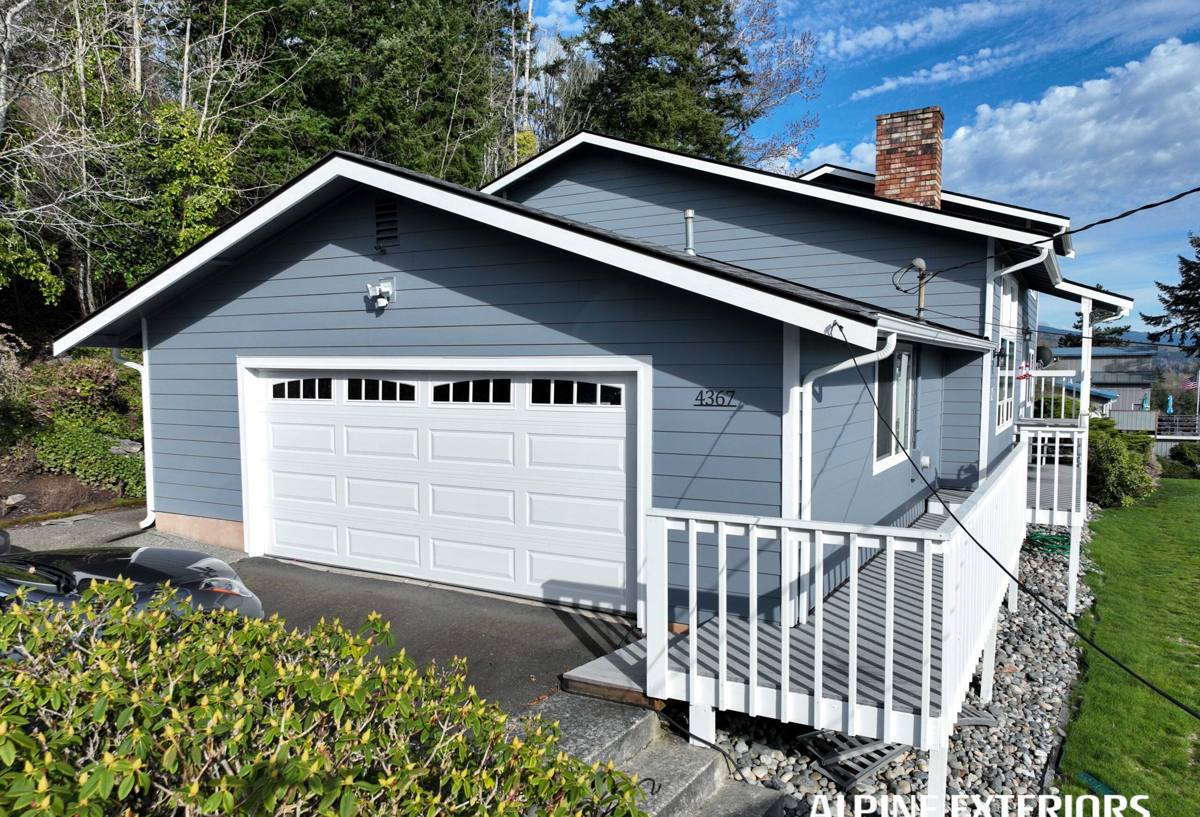
What a Correct Installation Actually Involves
A shingle roof is a system, not just a layer of shingles nailed to plywood. When any one part of that system is done wrong or left out, the roof will underperform no matter how good the shingles themselves are. For Kirkland's conditions, we treat the following as non-negotiable:
- Ice and water shield at eaves, valleys, and around penetrations — a self-adhering waterproof membrane installed under the shingles in the areas most prone to wind-driven rain and standing water.
- Synthetic underlayment across the full deck — a secondary water barrier that protects the sheathing if wind ever lifts or drives moisture past the shingle layer.
- Properly lapped and sealed flashing at every wall intersection, chimney, skylight, and vent pipe, since these are the most common points of a roof leak, far more often than the shingle field itself.
- Balanced attic ventilation — intake at the eaves and exhaust at the ridge, working together so moisture-laden air actually moves out of the attic instead of condensing against the underside of the deck.
- Correct nailing pattern and nail placement, per the shingle manufacturer's specification, not just "close enough." Under-driven, over-driven, or misplaced nails are one of the leading causes of premature shingle failure and blow-off in wind.
- Starter strip along eaves and rakes to seal the first course against wind uplift, an easy step to skip and an easy one to regret.
Every one of these steps takes time. On a roof where crews are rushing to hit a lower bid, these are usually the first things that get shortened or skipped, and the failures they cause don't show up right away. They show up two, five, or ten years later, as a leak that seems to come from nowhere.
Deck Inspection Before Anything Goes Down
Before new shingles go on, the roof deck itself needs to be checked for soft spots, delamination, or water staining, especially on a re-roof where the old roofing is being torn off. Any damaged sheathing gets replaced before underlayment goes down. Roofing over a compromised deck is one of the most common shortcuts we see, and it guarantees problems later.
Choosing the Right Shingle for This Climate
Not every asphalt shingle product is built the same way, and for a home exposed to Kirkland's moisture and moss pressure, the differences matter more than the price tag alone suggests.
| Shingle Type | Typical Lifespan | Best Fit For | Considerations for This Climate |
|---|---|---|---|
| 3-Tab (standard) | 15-20 years | Budget-conscious re-roofs, simple rooflines | Lower wind resistance and less shade under tree cover; adequate but not the strongest performer against driving rain |
| Architectural / Dimensional | 25-30+ years | Most Kirkland homes | Heavier, thicker profile sheds wind-driven rain better and holds up longer under sustained moisture exposure |
| Algae-Resistant (AR) Granules | Same as base shingle, with added protection | Shaded lots, north-facing slopes, roofs near trees | Copper- or zinc-infused granules resist the blue-green algae and moss growth that this region's damp shade encourages |
| Impact/Wind-Rated | Varies by product | Exposed lots, open water views | Higher wind-uplift rating for properties that catch more direct gusts off the lake |
For most Kirkland homes, we recommend an architectural shingle with algae-resistant granules as the practical middle ground: it costs more upfront than 3-tab, but the added durability and moss resistance typically pay for themselves by extending the roof's useful life and cutting down on maintenance calls.
Moss, Algae, and the Reality of Shade
Moss doesn't just look bad, it holds moisture against the shingle surface, works its way under tabs as it grows, and can lift shingles enough to let water in underneath. On roofs with heavy tree cover or north-facing slopes that don't get much direct sun, moss and algae growth is close to inevitable over time without some level of upkeep.
A few honest points on this, since a lot of roofing advice oversells the fix:
- Algae-resistant shingles slow growth significantly, but they don't make a shaded roof immune, especially as the AR granules wear over many years.
- Zinc or copper strips near the ridge help control moss on the upper portion of the roof but have limited reach further down the slope.
- Physical removal, done gently with the right tools and never with a pressure washer, is still the most reliable way to deal with established growth without damaging the shingle surface.
- Keeping gutters and valleys clear of needles and leaf debris does more to prevent moisture buildup than most homeowners expect.
We'll tell you honestly what your specific roof's exposure calls for rather than pushing an add-on that won't make much difference for a sun-exposed slope, or downplaying moss risk on a heavily shaded one.
Our Process, Start to Finish
- On-site inspection and estimate — we walk the roof (or use appropriate access for steep or fragile roofs), check the deck, flashing, ventilation, and current shingle condition, and give you a straightforward written estimate.
- Material selection — we go over shingle options, color, and any climate-specific upgrades like AR granules or ice and water shield placement, based on what your roof and lot actually need.
- Scheduling around the weather — asphalt shingles need dry conditions and a minimum temperature to seal properly, so we plan installation windows with the region's rain patterns in mind.
- Tear-off and deck inspection — old roofing comes off, the deck is checked and any damaged sheathing is replaced before anything new goes down.
- Underlayment, flashing, and shingle installation — installed to manufacturer specification, not shortcuts, with particular attention to eaves, valleys, and every penetration.
- Ventilation check — intake and exhaust airflow confirmed or corrected so the new roof isn't fighting trapped attic moisture from day one.
- Cleanup and final walkthrough — magnetic sweep for nails, debris hauled off, and a walkthrough so you know exactly what was done and what to expect going forward.
Signs Your Kirkland Roof May Need Attention
A shingle roof rarely fails all at once. It usually gives warning signs first, and catching them early is almost always cheaper than waiting for a leak.
- Granules collecting in gutters or at downspout outlets
- Shingles that look curled, cupped, or are visibly missing
- Dark streaking or thick moss growth on north-facing slopes
- Soft or spongy feeling spots noticed from inside the attic
- Daylight visible through the roof deck from inside the attic
- Water stains on interior ceilings, especially after a stretch of heavy rain
- Flashing that looks lifted, rusted, or separated from the roof surface
- A roof approaching or past 20 years old that hasn't had a professional inspection recently
What Affects the Cost
| Factor | Why It Matters |
|---|---|
| Roof size and number of stories | More square footage and access difficulty both add labor time |
| Roof pitch and complexity | Steep slopes, multiple valleys, and dormers take longer to flash and shingle correctly |
| Tear-off vs. layover | Removing old shingles adds cost but is almost always the right call for a roof with any underlying deck concerns |
| Shingle grade selected | 3-tab, architectural, and algae-resistant products carry different material costs |
| Deck repairs needed | Rotted or delaminated sheathing found during tear-off adds to the scope |
| Ventilation upgrades | Adding or correcting intake and exhaust venting is a smaller line item that pays off in roof longevity |
We won't quote a number without seeing the roof, but we'll always walk you through what's driving your specific price, and what's optional versus what your roof genuinely needs.
Why Local Experience Matters Here
A crew that regularly works roofs around Kirkland and the greater King County area already knows how driving rain behaves against a roofline near the water, how much moss pressure a shaded slope is likely to see, and which flashing and ventilation details actually hold up through a full wet season here rather than just on paper. That familiarity shows up in fewer callbacks and a roof that performs the way it's supposed to, year after year, not just on the day it's installed.
If you'd like a straightforward look at your roof's condition and what it would take to replace or repair it correctly, we're happy to come take a look. Use the form below to request a free, no-pressure estimate.