 Seattle Exterior
 Windows Built for Magnolia's Weather, Not Just Its View
Magnolia sits close to the water on nearly every side, which is part of why people love living there — and part of why windows in this neighborhood work harder than windows almost anywhere else in King County. Salt-laden air off the Sound, driving rain that comes in sideways during winter storms, and a long, damp moss season combine to attack window frames, seals, and finishes faster than a standard product spec sheet accounts for. A window that's rated fine for a dry inland climate can start failing here in half the expected time if it isn't chosen and installed with this specific exposure in mind.
We've been doing exterior work on Seattle homes long enough to know that "custom" isn't a marketing word for windows in a neighborhood like this — it's a requirement. Older homes have settled, openings are rarely perfectly square anymore, and siding, trim, and flashing details vary block to block. Off-the-shelf sizing and a generic install approach are how leaks start.
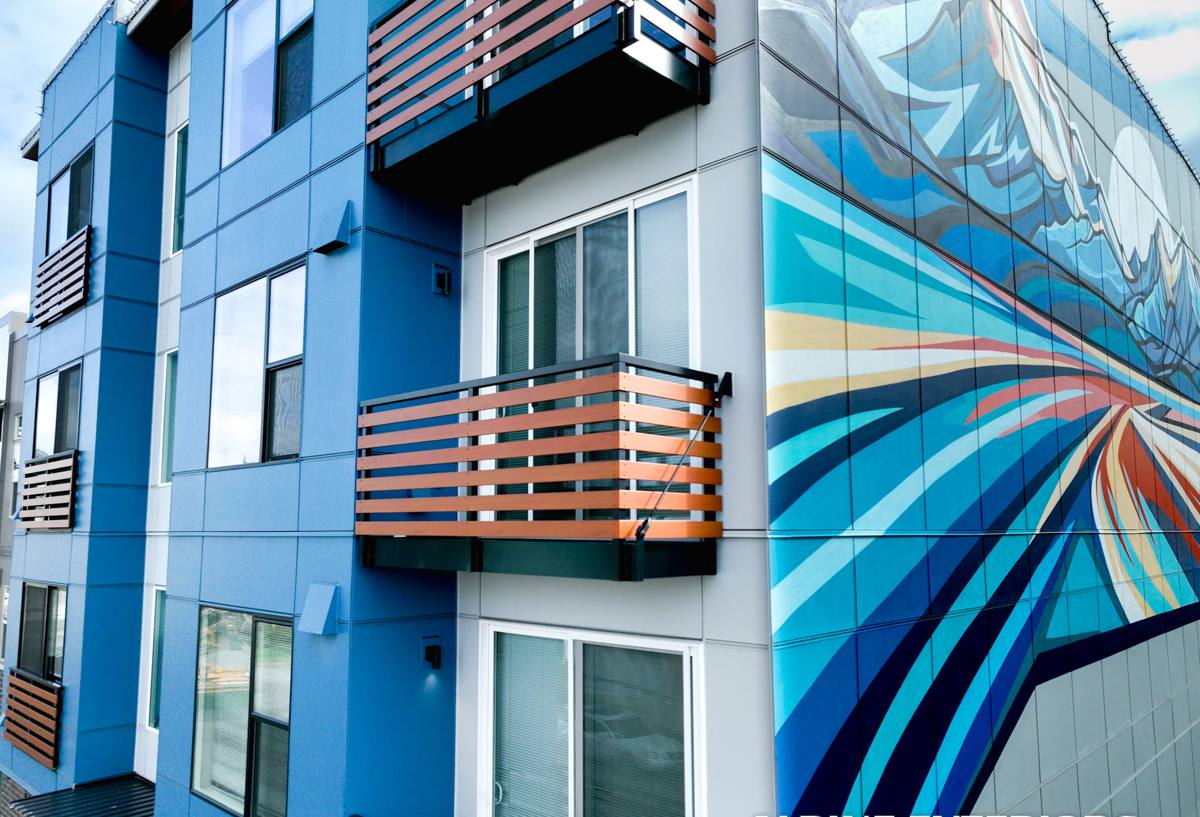
What Custom Windows Actually Means
When we say custom, we mean the window is built to the actual opening in your house, not the other way around. That starts with precise measurement of every rough opening — width, height, and importantly, square and level, since older framing rarely is either. It also means selecting frame material, glazing, and hardware based on which wall the window sits on, how much weather exposure that wall gets, and what the surrounding siding and trim require for a clean, sealed fit.
The parts that matter most
- Frame material matched to sun, salt, and moisture exposure on that specific wall
- Glazing package sized for noise, heat loss, and condensation control in a marine climate
- Flashing and sill pan detail that sheds water outward, not into the wall cavity
- Sealant and backer rod installed correctly, not just caulked over gaps
- Hardware and weatherstripping rated for repeated damp/dry cycling without seizing or rotting
Skip any one of these and the window itself can be perfectly good while the installation still fails within a few years.
Signs Your Current Windows Are Losing the Fight
Because of the salt air and rain exposure common to Magnolia and other close-in Seattle neighborhoods, window failure often shows up earlier and more visibly than homeowners expect. Knowing what to look for helps you catch a problem before it turns into rot behind the siding.
Common early warning signs
- Fogging or moisture trapped between glass panes — a sign the seal has failed
- Green or black staining at the sill or lower corners, often the first visible moss and mildew growth
- Paint or finish that's chalking, peeling, or bubbling faster on the weather-facing side of the house
- Drafts or a noticeable temperature difference near the window even when it's fully closed
- Difficulty opening, closing, or locking — a sign the frame has swollen, warped, or corroded
- Soft or spongy trim and sill wood when pressed
Any one of these on its own isn't an emergency. Several together, especially on a wall that takes the brunt of Sound weather, usually means it's time to plan a replacement before the damage spreads into the framing.
Frame Material: What Actually Holds Up Here
There's no single "best" window material for every house — it depends on exposure, budget, and how the rest of the home is finished. Here's how the common options compare specifically for the salt air, driving rain, and moss conditions typical of Magnolia's waterfront-adjacent lots.
| Frame Material | Salt Air / Moisture Resistance | Maintenance Needed | Typical Trade-Off |
|---|---|---|---|
| Vinyl | Good — won't corrode or rot | Low | Fewer color/profile options for older or historic-style homes |
| Fiberglass | Very good — stable in temperature swings and moisture | Low | Higher upfront cost than vinyl |
| Aluminum-clad wood | Good exterior protection, but interior wood still needs care | Moderate | Best appearance match for classic Seattle home styles; needs attentive sealing at joints |
| Bare wood | Weakest against sustained damp and salt exposure | High | We generally steer clients away from it on directly exposed walls in this climate |
We're not against wood-look windows — plenty of Magnolia homes call for that aesthetic, especially on older craftsman and traditional builds. Our standard is choosing where wood goes carefully: interior-facing or protected elevations are a different story than a wall that takes rain and salt spray head-on year-round.
How Our Process Works
Custom window replacement done right follows a sequence, and skipping steps is where most premature failures come from. Here's what a proper job looks like from our end.
Step by step
- On-site assessment — we look at each opening individually, note exposure direction, existing damage, and any signs of moisture already behind the siding.
- Precise measurement — every window is measured on-site for its actual opening, not assumed from a standard size chart.
- Material and glazing selection — matched wall by wall based on sun and weather exposure, not a single spec for the whole house.
- Removal and inspection — old windows come out carefully so we can check the framing and sheathing underneath for hidden rot before anything new goes in.
- Flashing and sill pan installation — this is the step that actually keeps water out long-term, and it's the one most often rushed by crews unfamiliar with wet-climate detailing.
- Window setting and shimming — set plumb, level, and square, with proper fastening per manufacturer spec.
- Sealing — correct backer rod and sealant application, not just a bead of caulk over the trim.
- Interior and exterior trim finish — matched to your home's existing look.
- Final walkthrough — every window opened, closed, and locked with you present before we call the job done.
What Makes Magnolia's Housing Stock a Little Different
Like much of close-in Seattle, Magnolia has a mix of older homes and newer construction, often on lots with real wind and rain exposure off the water. Older homes frequently have single-pane or early double-pane windows original to the house, with wood trim that's absorbed decades of moisture cycling. Newer builds usually have better window technology already, but even they need correct flashing and sealing on the walls that catch the worst weather — new doesn't automatically mean weathertight if the install was generic.
What this means practically: we don't quote a Magnolia home the same way we'd quote a comparable house in a drier, more inland part of King County. Wall-by-wall exposure changes the material and sealing recommendations, and we say so plainly rather than upselling a one-size product across the whole house.
What Drives the Cost
Every custom window job is priced around a handful of real variables, not a flat per-window rate. Understanding these helps you compare estimates honestly, whether you get one from us or someone else.
| Cost Factor | Why It Matters |
|---|---|
| Frame material | Vinyl, fiberglass, and clad wood carry different material and labor costs |
| Glazing package | Double vs. triple pane, low-E coatings, and gas fill all affect price and performance |
| Opening condition | Hidden rot or out-of-square framing found during removal adds repair work |
| Number and size of openings | Larger or unusually shaped windows take more time and sometimes custom fabrication |
| Exterior finish complexity | Matching existing trim, siding cuts, or historic detailing adds labor |
| Access and site conditions | Second-story or tight-lot installs take longer and need more setup |
We give straightforward, itemized estimates so you can see exactly where the money goes, rather than a single lump number that hides what's driving cost.
Maintaining Custom Windows Through Seattle's Wet Season
Even a correctly installed window benefits from basic seasonal upkeep in this climate. A little attention twice a year goes a long way toward getting the full lifespan out of the investment.
- Rinse salt residue and grime off exterior frames periodically, especially after storms
- Check and clear weep holes so trapped water can drain instead of pooling
- Inspect exterior caulk lines each fall before the rainy season sets in, and touch up any cracking
- Remove moss or algae buildup at the sill promptly rather than letting it sit against the frame
- Test locks and operating hardware seasonally so swelling or stiffness is caught early
None of this replaces a good installation — it just protects one.
Why Hiring a Crew That Already Works Magnolia Matters
Window replacement is one of those jobs where local experience shows up in details a homeowner might never think to ask about: knowing how Seattle's rainy season affects install scheduling and curing times for sealants, understanding the kind of framing and trim common to homes in this part of King County, and being familiar with the permitting and inspection process for this jurisdiction. A crew that already works in Magnolia isn't guessing at any of that — it's routine.
There's also a practical logistics side. Being local means we can respond quickly if something needs a follow-up visit, and we're not learning the neighborhood's housing quirks on your dime. That familiarity tends to show up as fewer surprises during the job, not just a nicer sales pitch beforehand.
Get a Straight Answer, No Pressure
If you're not sure whether your windows need full replacement or just some diagnostic attention, that's exactly the kind of question worth asking before spending money. We're happy to come take a look at your Magnolia home, walk through what we see wall by wall, and give you a clear, no-pressure estimate using the form below.